Ethiopia's $12.5B Airport Bet Tests China-Africa Financing Limits

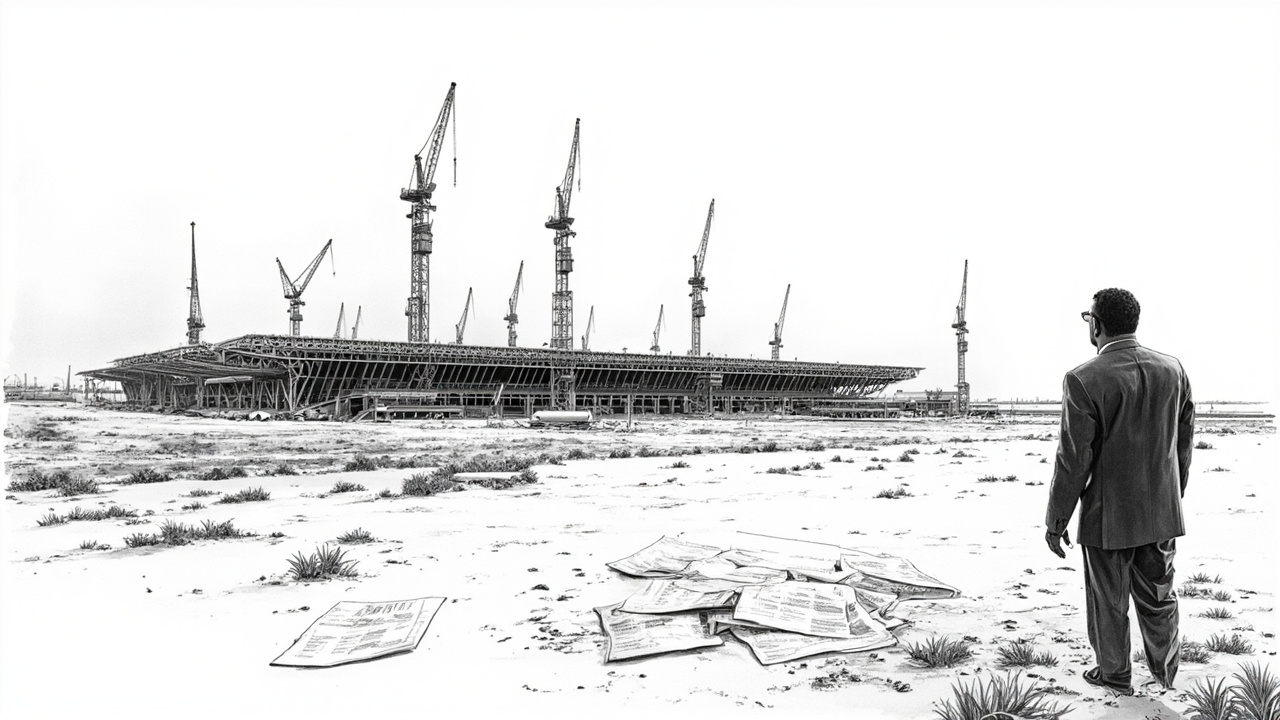
Ethiopia’s $12.5 billion airport gamble relies on Chinese lenders and multilateral banks. High-level talks with the Bank of China on April 1, 2026, aim to fill a massive funding gap for the Bishoftu International Airport project. This financing model shows how African infrastructure mega-deals now depend on blended capital. The risk is that Addis Ababa takes on unsustainable debt for a hub that might not attract enough planes.
the financing trap
Only a fraction of the project’s cost has firm commitments. A China-based bank and the African Development Bank (AfDB) have each reportedly pledged $500 million according to Ecofin Agency. That's just 8% of the total. The AfDB is coordinating nearly $9 billion from other international lenders per Travel and Tour World. I doubt those pledges are binding. China’s involvement creates a familiar trap: strategic lending for geopolitical influence, not pure project economics. Ethiopia’s debt-to-GDP ratio already hovers near 50%. Adding billions for an airport could trigger another sovereign debt restructuring.
the capacity mirage
The airport aims to handle 110 million passengers annually. That number feels disconnected from reality. It would make Bishoftu one of the world's busiest airports overnight. Current passenger traffic at Addis Ababa Bole International Airport is around 12 million. Ethiopia’s entire population is 120 million. The business case relies on capturing massive transit traffic from other African hubs. It assumes travelers will bypass Nairobi, Cairo, and Johannesburg for Addis. I question that logic. Ethiopian Airlines is strong, but this project bets the company can single-handedly redirect continental airflows. That's a $12.5 billion bet on brand loyalty and geography.
Investors should watch for two signals. First, the final terms of the Chinese loan. If they include collateral or revenue-sharing agreements, it signals a hard bargain. Second, the actual disbursement schedule from the AfDB’s coordinated lenders. Delays will reveal soft commitments.
The project could cement Ethiopian Airlines' dominance. It could also drain capital from more urgent infrastructure needs. Ethiopia wants a global aviation gateway. It might get a beautiful, underused terminal and a heavier debt load. That’s the real destination for this flight.