Dubai Neutrality Test Risks Ethiopia's $1 Billion Trade Route

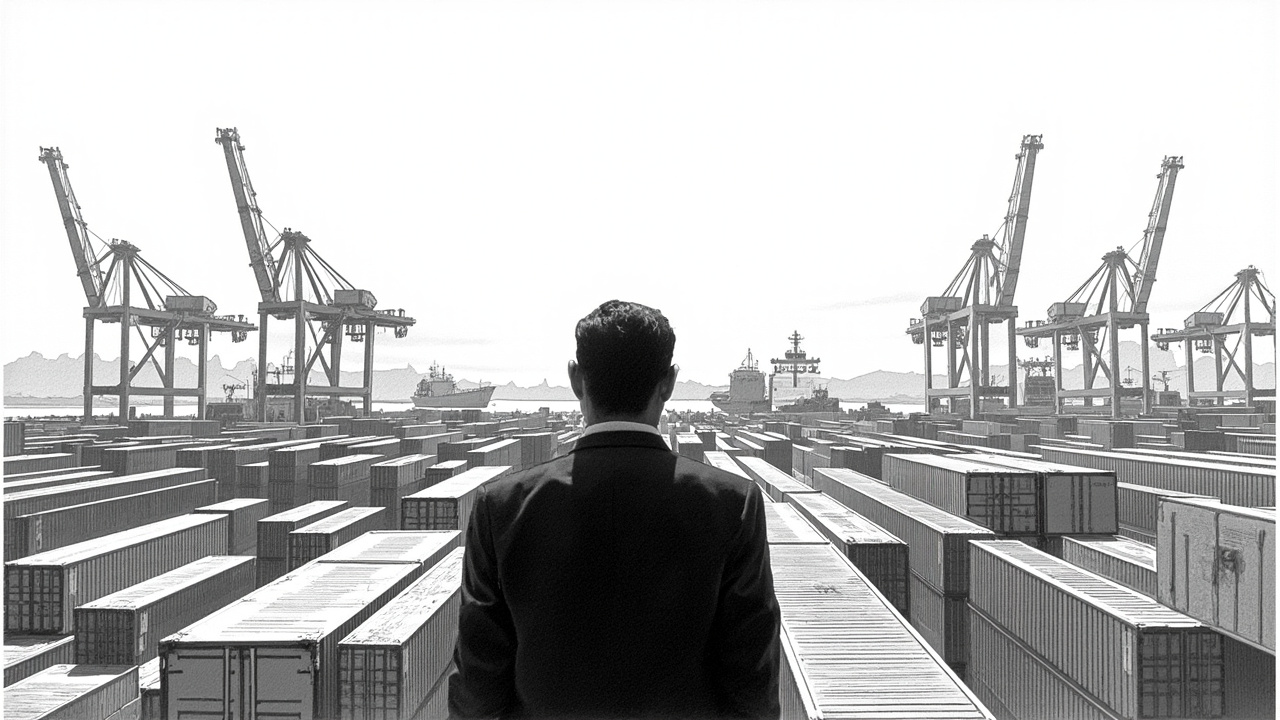
Dubai's engineered neutrality faces pressure. For Ethiopia, that friction threatens a $1 billion annual import corridor with the United States that flows through the Gulf hub. Much of Ethiopia's access to American goods and capital depends on this platform 2,000 miles away.
The UAE-Ethiopia economic corridor
U.S. companies use Dubai as an intermediary export platform for Ethiopian business, according to U.S. trade guidance. This reliance built over decades. Licensed UAE investment projects in Ethiopia jumped from 30 in 2010 to 113 by 2019, per UAE foreign ministry records. A 2026 policy brief from the German Institute for International and Security Affairs notes the UAE describes Ethiopia as a 'vital partner in the Horn of Africa'. The same brief warns the alliance may exacerbate regional tensions. For investors, this means Ethiopian growth is partly underwritten by Gulf capital seeking influence, not just returns.The neutral hub at risk
When Dubai's political neutrality is pressured, the network it supports faces a friction cost. The result is higher expenses and longer delays for Ethiopian importers of American machinery and specialized goods. Local manufacturers on just-in-time supply chains would feel the pinch first.Ethiopian businesses that cannot pivot to direct shipping routes lose. Regional competitors like Djibouti's Doraleh Container Terminal or Kenya's port of Mombasa could see a marginal boost if Dubai's reliability wanes. They lack the deep financial connectivity and re-export network Dubai built.
The real test for Addis Ababa is diversification. The AfCFTA promises intra-African trade networks, but implementation remains slow. If the UAE's gateway stutters, it exposes a gap in Africa's own trade infrastructure. Investors should watch for any shift in Ethiopian government rhetoric towards strengthening direct air and sea links with trading partners.
Expect two things. First, a re-evaluation of supply chain risk by multinationals in Ethiopia, potentially slowing capital expenditure decisions. Second, increased UAE diplomatic maneuvering to shield its hub status, possibly offering concessions to key African partners like Ethiopia. The stability of a city in the Gulf now directly factors into the cost of doing business in Addis Ababa.