Ethiopia energy deals test Djibouti port monopoly

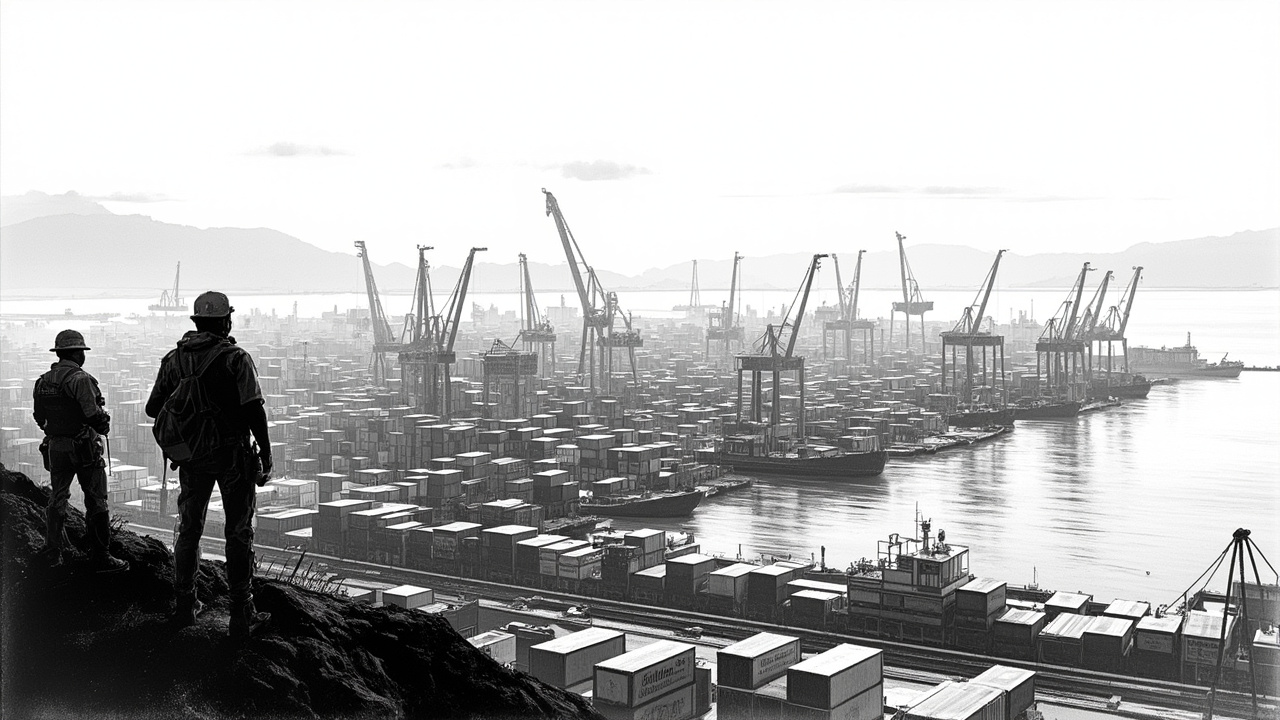
Ethiopia's $13.1 billion investment splash looks good on a press release. Moving the resulting cargo will be a logistical nightmare. The landlocked country announced the new agreements on March 27, 2026, spanning renewable energy, mining, and green ammonia projects according to Bloomberg. This follows $1.7 billion in similar agreements signed in May 2025, primarily with Chinese firms per Reuters. The capital inflow is real. The question is whether Ethiopia's primary trade corridor through Djibouti can handle the incoming equipment and outgoing minerals without punitive demurrage fees destroying project margins.
Port dependency is the core risk
Every dollar invested hinges on the Port of Djibouti. The facility handles over 95% of Ethiopia's trade. It is already a bottleneck. New mining gear and wind turbine blades must arrive through its gates. Future mineral exports must leave the same way. Congestion there directly translates to demurrage costs, fees charged when cargo sits too long. For a mining operation, a week's delay can erase a quarter's profit. The Djibouti corridor is a single point of failure. Ethiopian investors must price in this systemic risk. No amount of project financing can fix a port monopoly.
The government in Addis Ababa talks about alternative corridors to Berbera or Lamu. These are paper solutions. The road and rail networks to these ports remain underdeveloped. Political agreements are fragile. Relying on a corridor through Somaliland or Kenya swaps one set of risks for another. Chinese contractors may build the projects, but they cannot build a new sovereign trade route. The second-order effect is clear. The real winners of this investment boom may be Djibouti's port authority and the trucking cartels that control the Addis-Djibouti highway.
Chinese capital brings familiar strings
The 2025 deal structure is a template. Chinese firms provided the cash and will likely supply the contractors and equipment. This creates a closed loop. Capital arrives from Beijing, pays Chinese engineering firms, and purchases Chinese-made turbines. The money cycles back to China, with minimal local sourcing. Ethiopia gets infrastructure and debt. The model builds assets but does little to develop domestic industrial capacity or transfer technical skills. It also ties Ethiopia's critical mineral and energy output to Chinese offtake agreements. That limits future market options and pricing power.
Finance Minister Ahmed Shide is securing signatures. The harder task is securing value. Projects must generate hard currency to service their external loans. If logistics costs are too high, the revenue never materializes. The risk is a repeat of past infrastructure debt traps, where assets are built but cannot generate the expected return due to operational choke points. Investors should look past the headline dollar figure. They must audit the logistical assumptions in each project's feasibility study.
Expect equipment delays. Budget for demurrage. The $13.1 billion is a bet on Djibouti's efficiency improving faster than Ethiopia's import bill grows. Expect 2027 project delays to exceed six months, eroding equity returns by 15% or more.