Egypt Import Export Rules Demand 100% Cash Coverage for Letters of Credit

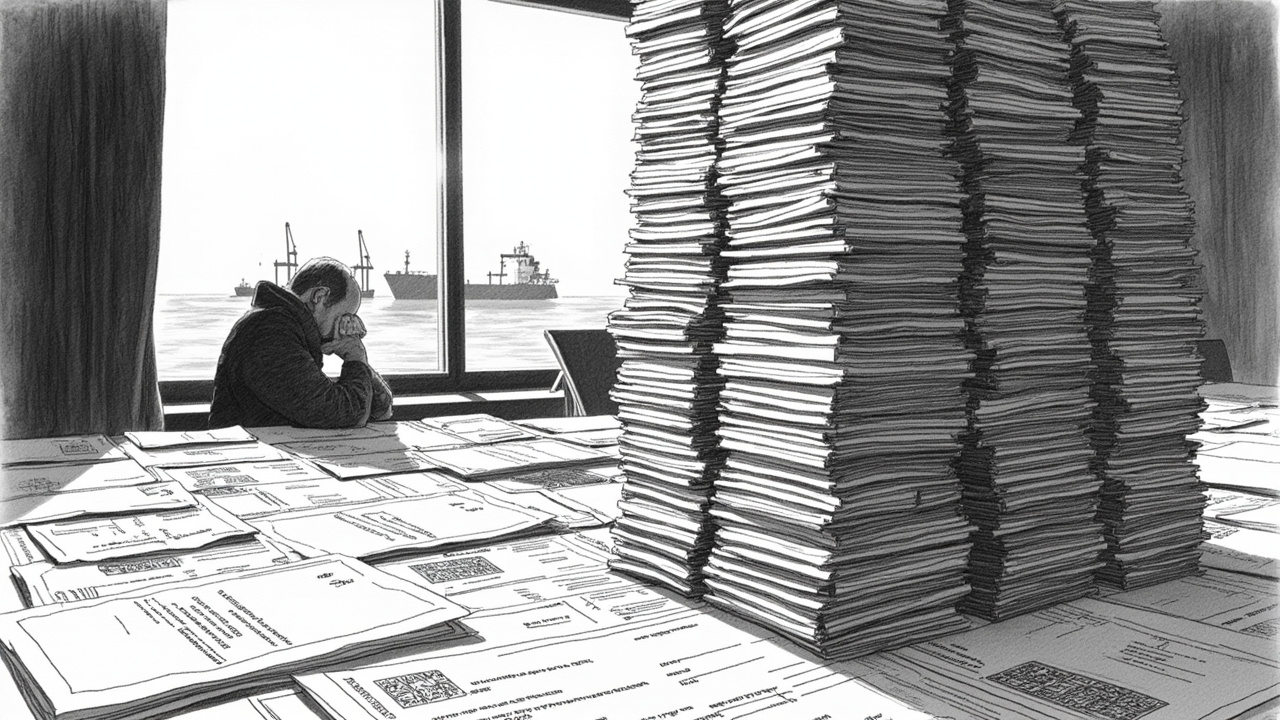
Egypt Import Export Rules Demand 100% Cash Coverage for Letters of Credit
Egypt's import regulations now require full cash backing for letters of credit, a shift that fundamentally changes working capital requirements for businesses trading with Africa's third-largest economy. The General Organization for Export and Import Control (GOEIC) enforces documentation standards that add significant time to transaction timelines through mandatory consulate verification.
The cash coverage rule, which jumped from the previous 10-20% to 100% for most goods, creates a liquidity crunch that smaller traders cannot absorb. Companies must now tie up the full import value in cash until customs clearance completes, rather than the previous fractional amounts.
GOEIC documentation requirements create compliance bottlenecks
Egypt's General Organization for Export and Import Control mandates four core documents that determine customs clearance speed:
Commercial invoices need Egyptian consulate legalization in most cases. This requires the original plus two copies, processed through Egyptian diplomatic missions in the country of origin. Processing times vary significantly depending on consulate workload and appointment availability.
Certificates of origin must come from recognized authorities such as chambers of commerce or designated government agencies in the country of export. GOEIC uses these to verify product origin for tariff calculations.
Pro forma invoices accompany import license applications and must specify the country of manufacture, not just shipping origin. Discrepancies between pro forma and final commercial invoices trigger GOEIC investigations that can delay clearance substantially.
Import declaration forms cover shipment details, values, and classification codes that determine duties and taxes under Egypt's customs tariff schedule.
The documentation burden hits hardest on first-time importers who underestimate preparation time. Experienced traders budget several weeks for document preparation and legalization before goods can ship.
Central Bank of Egypt cash rules reshape trade finance
The CBE's 100% cash coverage requirement for letters of credit represents the most significant change in Egypt's trade finance landscape in recent years.
Food imports retain some flexibility with lower cash coverage requirements, though specific percentages are not publicly disclosed. This exception reflects Egypt's food security priorities as a major wheat importer.
Shipping cannot begin until Egyptian banks confirm letter of credit arrangements. This sequencing requirement creates coordination challenges across time zones and can delay shipments if banking procedures encounter problems.
Working capital costs have multiplied for most importers. Companies that previously needed modest cash collateral now require the full transaction value until customs clearance completes.
These rules particularly squeeze small and medium enterprises that lack deep cash reserves or established banking relationships. Larger corporations with stronger balance sheets gain competitive advantages as smaller competitors struggle with liquidity constraints.
Ministry of Trade licensing procedures lack transparency
Egypt's Ministry of Trade and Industry oversees import licensing through a multi-stage process that creates uncertainty for new market entrants:
Initial license applications require pro forma invoices with detailed product specifications and country of manufacture declarations. Processing times are not publicly disclosed, creating planning challenges for importers.
Product category variations exist but are not comprehensively documented in public regulations. The "most cases" language in official requirements suggests discretionary application based on product type, origin country, or strategic importance.
Renewal procedures and validity periods are not standardized across product categories, forcing importers to maintain relationships with customs brokers or trade consultants who understand current practices.
This regulatory opacity creates barriers to entry that favor established players with local expertise and government relationships.
Working capital implications for different business models
The 100% cash coverage requirement affects various business models differently:
Small traders and startups face the highest barriers, as they typically lack the cash reserves or credit facilities to handle full advance payments for inventory.
Established importers with strong banking relationships can negotiate credit facilities to meet cash coverage requirements, though at higher costs than previous arrangements.
Multinational corporations with Egyptian subsidiaries can use local cash generation to fund imports, reducing foreign exchange exposure and cash transfer requirements.
Trading companies that previously operated on thin margins find their business models challenged by the increased working capital requirements.
The regulatory change effectively consolidates market share toward larger, better-capitalized players while creating barriers for new entrants.
Investment implications and market outlook
Egypt's tightened import procedures reflect broader economic pressures but create clear winners and losers in the trading ecosystem. The 100% cash coverage requirement effectively raises barriers to entry while consolidating market share toward established players with stronger balance sheets.
For investors, this regulatory environment signals opportunities in trade finance, logistics, and compliance services as companies seek solutions to navigate increased complexity. Companies planning Egyptian market entry should budget significantly higher working capital requirements and longer transaction timelines than historical norms suggest.