Shell Egypt's Energy Bet Relies on Shaky Import Math

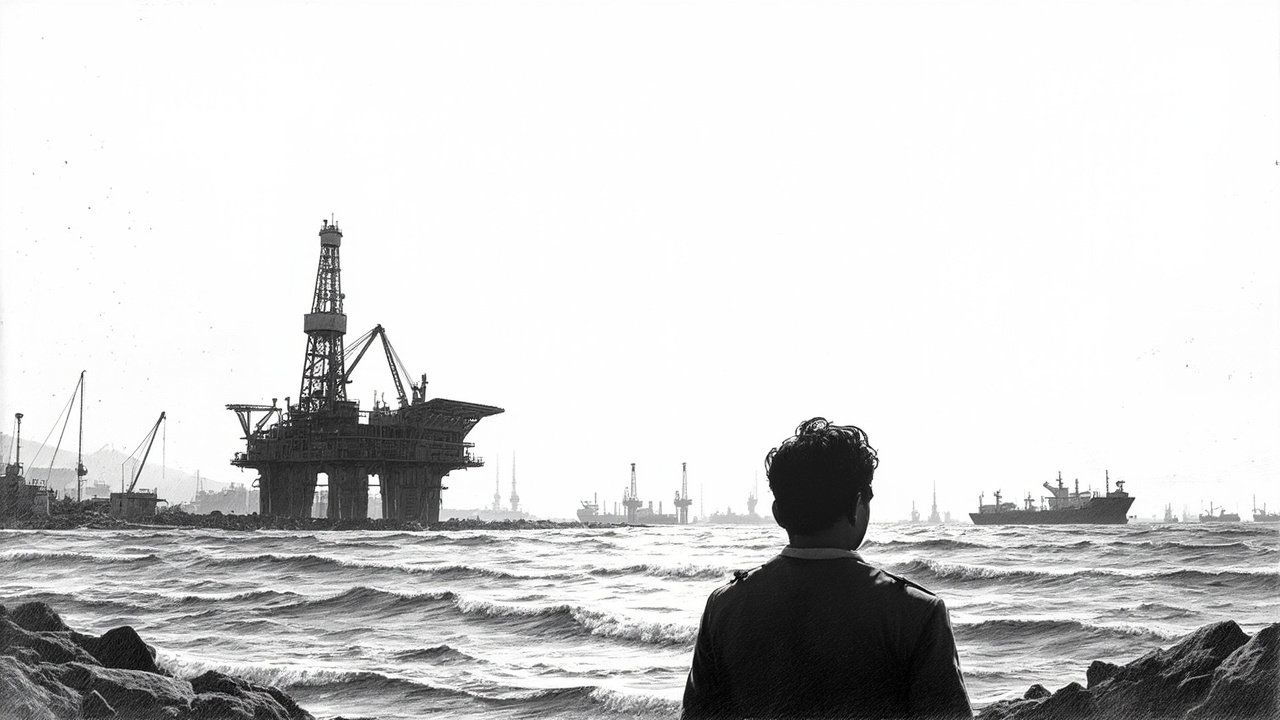
Shell Egypt calls the country a 'critical energy market,' but the label glosses over a simple fact: Egypt imports more energy as its own production declines. Dalia Elgabry, Shell Egypt's Vice President and Country Chair, made the statement ahead of the EGYPES 2026 conference starting today. For investors, the critical question is not about location but about profitability. Can Shell's integrated portfolio in Egypt generate returns when the underlying market is hooked on imports?
egypt's grid masks a supply crunch
Egypt's electricity network links to neighboring countries, which helps with energy security according to Energata data. This interconnected grid is a technical feat. It also disguises a persistent deficit. Domestic production is falling while demand climbs. The country now balances this gap with imports. Renewable sources like wind and solar play only a modest role in the mix. The real energy story here is about managing a shortfall, not harnessing a surplus. For a company like Shell, 'critical' might mean 'expensive to serve.'
shell's integrated presence is a cost hedge
Shell will showcase its full energy portfolio at EGYPES 2026. This integrated approach, lumping gas, renewables, and trading, looks like a strategic hedge. In practice, it is a bet against volatility. If Egyptian production keeps declining, Shell's ability to source and trade fuel across borders becomes vital. But that capability comes with a price. Supply chains lengthen. Currency risk increases. The profit margin on imported LNG is thinner than on domestically produced gas. Shell is not just investing in Egypt; it is investing in a complex logistics puzzle. The company's burn rate on infrastructure and supply agreements will rise if local output does not rebound.
I see two clear risks for investors. First, Egypt's energy policy remains focused on security over affordability. This could pressure Shell to accept lower margins on long-term supply deals. Second, the modest scale of renewables means the transition away from fossil imports is years away. Shell's integrated model might smooth quarterly earnings, but it does not fix the structural deficit. Watch for details on new exploration bids or LNG import terminal contracts at EGYPES. Without a tangible plan to boost domestic production, Shell's Egyptian operations could become a capital-intensive drag. The conference rhetoric will highlight opportunity. The numbers will reveal dependency.