Egypt Wheat Payout Tests State Support and Forex Limits

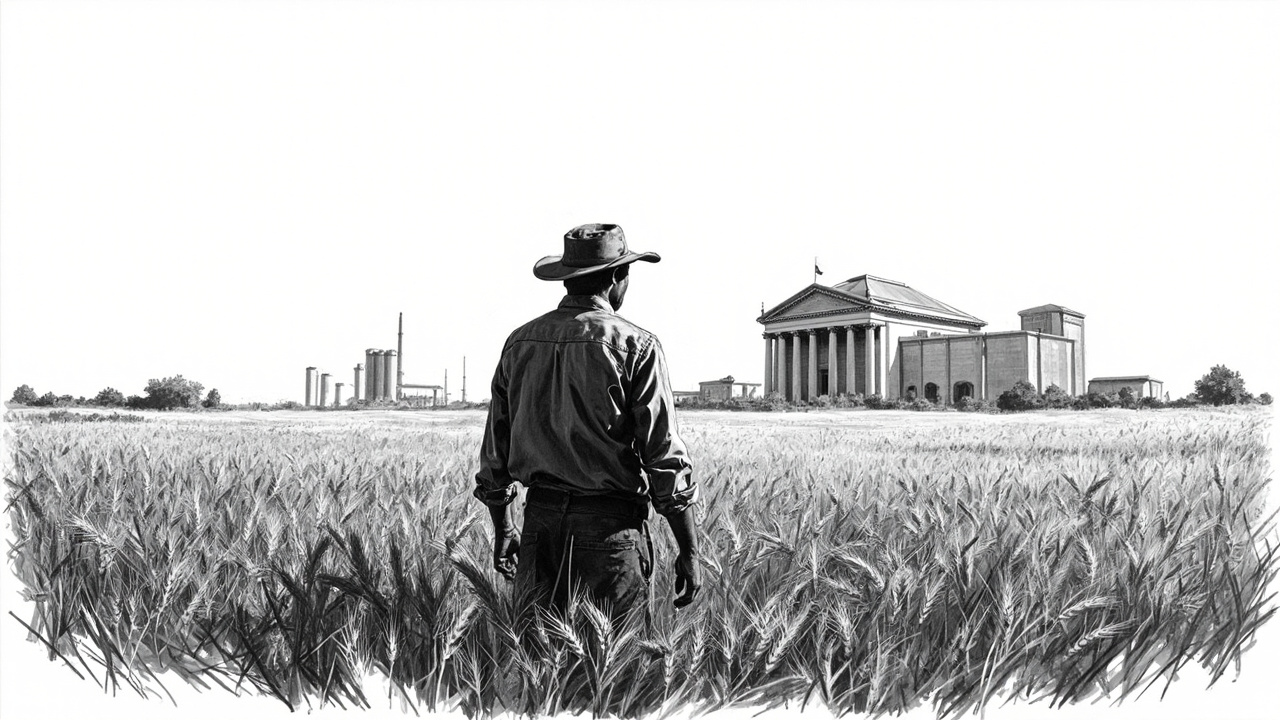
Egypt's pledge to pay wheat farmers within 48 hours is a subsidy squeeze play. Agriculture Minister Alaa Farouk said the state will disburse financial dues immediately. He affirmed support for farmers, fair returns, and improved income. The government set the current season's procurement price at EGP 2,500 per ardeb. This rapid payment targets a critical political constituency ahead of planting cycles. It also signals the state's priority: securing domestic grain at any cost. The fiscal strain is real. In April 2026, the Supply Minister said the local wheat procurement price already surpassed the global rate. Paying above market and accelerating cash outflows burns scarce Egyptian pounds. The government funds agriculture with a planned EGP 2 billion for innovation initiatives. Another EGP 210 million may be needed for cleaner fertilizer tech. This spending competes with debt service and energy imports. The immediate payout is a short-term fix for a structural deficit. Egypt grows only about half its wheat needs. The state is the sole buyer for local harvests. This monopsony creates a predictable subsidy burden. It also distorts planting decisions away from more sustainable crops. Farmers plant wheat because the government pays. They ignore market signals about water use or export potential.
the price of wheat independence
Egypt's wheat policy concentrates fiscal pressure. Paying farmers quickly soothes social tension. It does not address the core vulnerability: foreign exchange. Agriculture is the foundation of Egypt's economy, according to World Bank data. Yet the sector is a net drain on hard currency. The state imports roughly 10 million tonnes of wheat annually. It pays in dollars. Subsidizing local production in EGP does not reduce the dollar bill. It may even increase it if higher local prices encourage more planting of water-intensive wheat. The risk is a double bind. The government must spend EGP to keep farmers producing. It must also spend USD to fill the gap. With foreign reserves under pressure, this model is brittle. The promised investment in agricultural innovation, including EGP 2 billion in funding, is a long-term bet. The 48-hour payout is a short-term pressure valve.
the afcfta disconnect
This domestic support highlights a continental trade paradox. Egypt champions the African Continental Free Trade Area (AfCFTA). Simultaneously, it operates a closed, state-controlled market for a staple commodity. Non-tariff barriers (NTBs) like domestic subsidy programs are the AfCFTA's silent killer. They undermine the agreement's goal of integrated regional value chains. Egyptian wheat policy is a local NTB. It prevents cross-border trade in grains within Africa. Neighboring Sudan or Ethiopia cannot compete with a subsidized EGP 2,500 per ardeb price. The government's focus on self-sufficiency blocks potential pan-African grain corridors. This is the AfCFTA implementation gap in practice. Ministers sign agreements in Cairo. Policymakers in the same city design programs that contradict them. The second-order effect is continued reliance on Black Sea and European wheat. African farmers outside Egypt lose a potential market. Intra-African payment bottlenecks remain untested because the trade flow does not exist.
Investors should watch the Central Bank of Egypt's (CBE) next moves. Rapid EGP disbursements to farmers increase local currency liquidity. This can fuel inflation if not sterilized. The CBE's ability to manage this while defending the pound is key. The Ministry of Supply's grain procurement agency, the General Authority for Supply Commodities (GASC), will be a bellwether. Its import tenders reveal the true dollar cost of the subsidy policy. Expect more statements linking farmer support to national security. Do not expect a shift away from state control. The 48-hour promise is a political tool, not an economic reform. It keeps the system intact. The quiet beneficiaries are the local banks that handle the disbursements and the connected suppliers of seeds and fertilizer. The losers are Egyptian taxpayers funding the subsidy and African traders locked out by the policy. The wheat payout is a quick fix.
The structural trade deficit remains.