Egypt markets brace as Cairo widens regional diplomacy

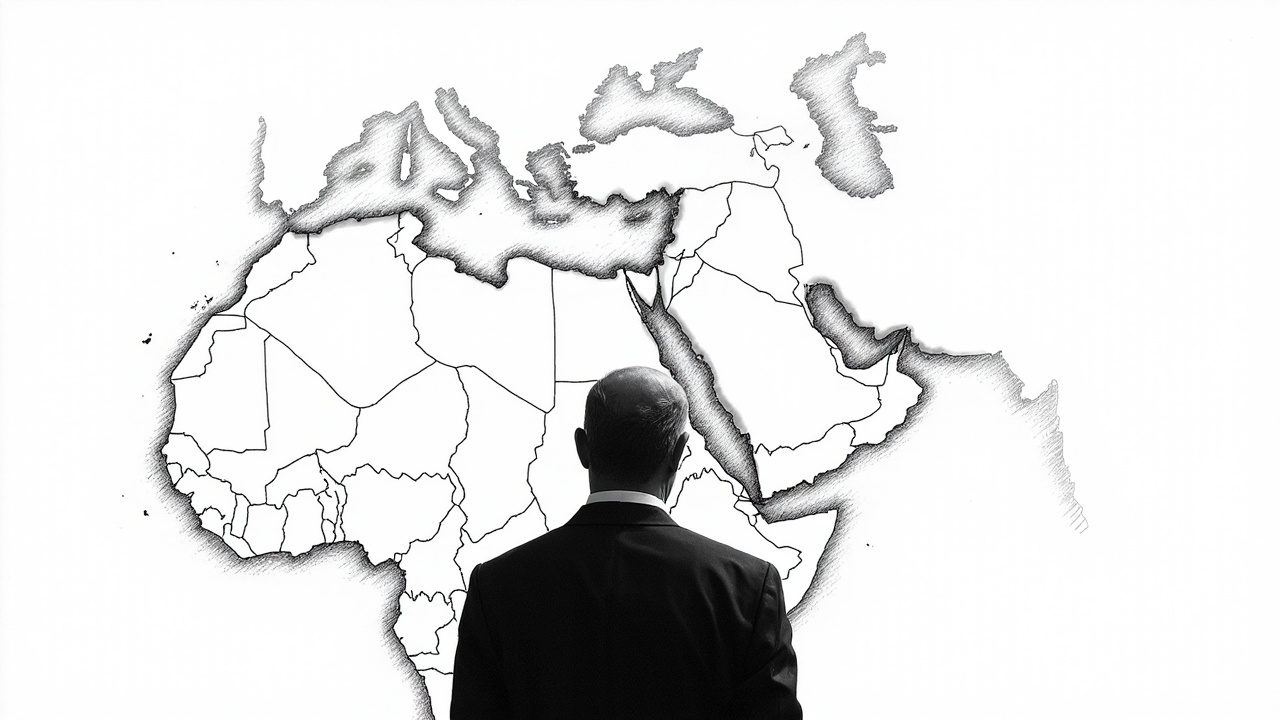
Four foreign ministers, one Sunday, no number in the readout. Egypt markets got diplomacy and nothing tradeable.
Foreign Minister Badr Abdelatty held separate calls with his counterparts from Pakistan, Oman and Somalia, per the Egyptian account of the discussions. The agenda covered regional military escalation, efforts to ease tensions, and developments in the Horn of Africa and the Red Sea. Pakistan's deputy prime minister and foreign minister, Mohammad Ishaq Dar, placed the call to Abdelatty.
Strip out the diplomatic phrasing and three economic channels sit underneath: shipping traffic through the Red Sea, remittance flows into Egypt, and Gulf capital Cairo wants to keep onside. All three feed the currency. That is the story the readout does not tell.
The currency is the tell
Cairo does not make these calls for the pleasure of it. Egypt's foreign exchange position leans on transit receipts and worker remittances, and both are sensitive to how the Red Sea behaves. A regional escalation that pushes vessels onto longer routes removes revenue without removing the state's spending obligations.
That is the second-order effect investors should price. When transit receipts fall, the gap gets covered by borrowing, by Gulf deposits, or by import compression. Each option hits a different set of balance sheets. Import compression hurts manufacturers and anyone holding inventory financed in hard currency. Deposit inflows flatter the central bank's reserves while raising the concentration risk sitting in the sovereign's funding base.
The risk is that both transit income and Gulf deposits are policy variables, not market variables. They move when a government decides they move. That makes the Egyptian pound harder to underwrite than a simple reserves number suggests.
Remittance corridors are the quiet trade
The countries on Abdelatty's call list share one commercial characteristic: large diaspora flows. Diplomatic warmth with Pakistan and Somalia is, in part, an argument about formalising money that currently moves outside the banking system.
This is where the fintech angle gets interesting, and where I get sceptical. Egyptian remittance fintechs will present corridor expansion as growth. The unit economics say otherwise. Revenue in that business is tied to the spread between official and parallel pricing, not to headline volume. Narrow the spread and transaction counts can rise while margins collapse.
Expect valuations built on corridor count rather than take rate to look stretched once the currency premium normalises. The winners are the licensed players with correspondent relationships and clean compliance files, because formalisation is a licensing game before it is a technology game. The losers are the ones whose pitch decks assumed the spread would last.
Egyptian banks holding sovereign paper quietly benefit from any arrangement that keeps Gulf money in the system. That trade is already crowded, and it carries deposit concentration risk that few investors are pricing.
What would change the call
A readout is positioning. It costs nothing and commits nobody.
Watch for the follow-up: a named shipping arrangement, a remittance corridor agreement with a supervising authority, or a Gulf funding line confirmed by the Finance Ministry. Any of those turns a phone call into an economic event.
Until then, treat Sunday's calls as hedging. Egypt is buying optionality across the Red Sea and the Horn while its currency still depends on decisions made in other capitals. Investors who buy Egyptian risk on diplomatic headlines are buying the announcement, not the cash flow.