Egypt Opens First Semi-Automated Container Terminal at Sokhna

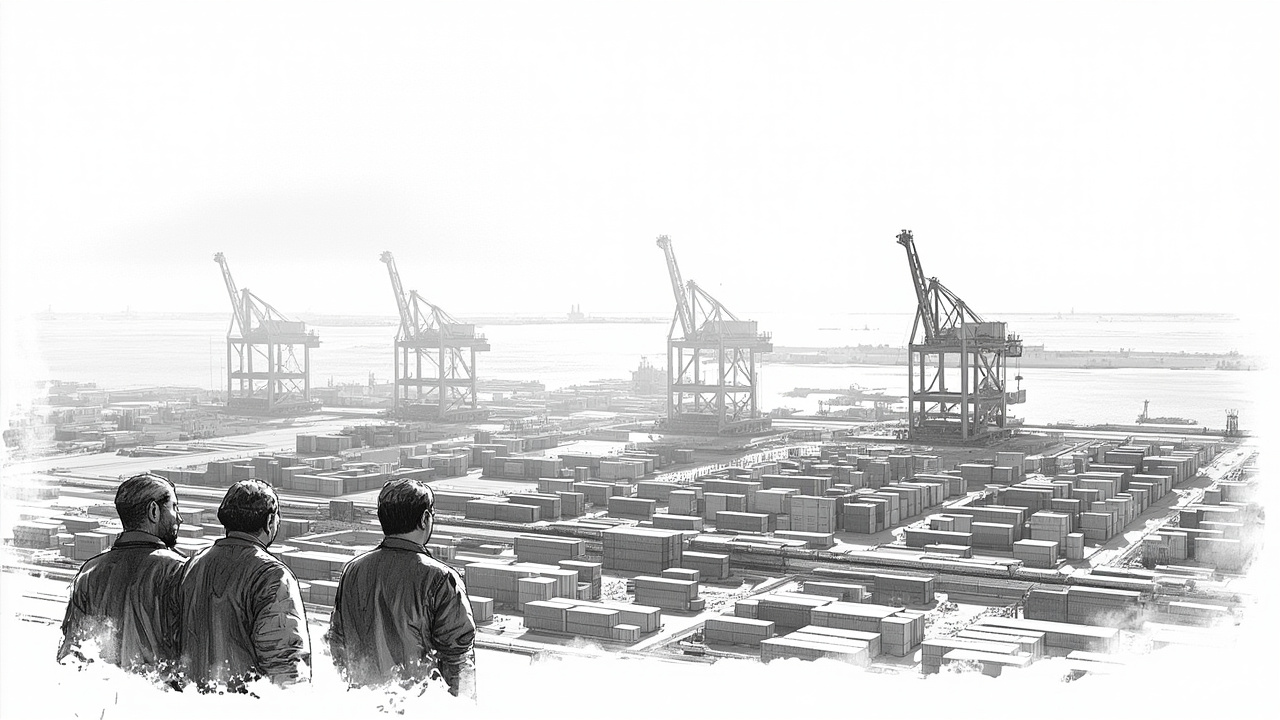
Red Sea Container Terminals Launches Egypt's First Semi-Automated Facility
Red Sea Container Terminals (RSCT) opened Egypt's first semi-automated container terminal today. The new facility operates at Sokhna Port on the Gulf of Suez. This launch follows a 30-year concession agreement with the Egyptian government. The terminal represents a major upgrade to Egypt's maritime infrastructure.
Terminal Operations and Capacity
The Sokhna terminal uses automated stacking cranes and remote-controlled ship-to-shore cranes. These systems handle containers with minimal human intervention. The facility can process 1.2 million twenty-foot equivalent units (TEUs) annually. It features a 1,200-meter quay with a depth of 18 meters. This depth accommodates large container vessels.
Egypt's Suez Canal Authority approved the terminal's operational permits in late 2023. The General Authority for Investment and Free Zones (GAFI) facilitated the concession agreement. Construction began in 2021 with an investment of $500 million Egyptian pounds (approximately $16 million USD).
Why It Matters
This terminal strengthens Egypt's position in global trade routes. The Suez Canal handles about 12% of world trade volume. Egypt's ports processed 7.8 million TEUs in 2023, according to the Ministry of Transport. The new terminal adds 15% more capacity to Sokhna Port.
Automation reduces container handling time by 30%. This efficiency attracts shipping lines seeking faster turnaround. Major carriers like Maersk and MSC already use Sokhna as a transshipment hub. The terminal's location offers direct access to the Suez Canal.
Egypt aims to increase its container throughput to 10 million TEUs by 2025. The government's National Logistics Strategy targets $25 billion in logistics investments. This terminal supports those goals. It also creates 500 direct jobs and 2,000 indirect positions in the Suez Canal Economic Zone.
Regional Competitive Landscape
Egypt competes with other Mediterranean and Red Sea ports. Israel's Haifa Port opened a new automated terminal in 2022. Saudi Arabia's Jeddah Islamic Port is expanding its capacity. The Sokhna terminal gives Egypt a technological edge in the region.
Dubai's DP World operates similar automated facilities globally. The company reported a 9% increase in container volume in 2023. Egypt's terminal adopts comparable technology but on a smaller scale. This allows Egyptian ports to handle larger vessels efficiently.
Shipping costs from Asia to Europe average $1,500 per container. Faster port operations can reduce these costs by 10%. The Sokhna terminal's automation supports this reduction. It also decreases port congestion, which delayed 15% of vessels in the region last year.
What Businesses Should Watch
Companies should monitor how this terminal affects shipping schedules. Faster turnaround times may lead to more frequent sailings. Importers and exporters using the Suez Canal route should see reduced transit times. The terminal's efficiency could lower logistics costs for goods moving between Asia and Europe.
Investors should watch for similar projects in Egypt. The government plans two more automated terminals at Alexandria and Damietta ports. These projects will require additional permits from the Egyptian Environmental Affairs Agency. They represent further opportunities in Egypt's maritime sector.
Businesses should track port fee changes. The Suez Canal Authority increased transit fees by 15% in January 2024. Efficient terminals like Sokhna may justify these increases through better service. Companies should also watch for technology partnerships. RSCT may collaborate with automation providers like Siemens or ABB for future upgrades.
Economic Impact and Future Developments
The terminal contributes to Egypt's economic growth. The maritime sector represents 4% of Egypt's GDP. The Suez Canal generated $9.4 billion in revenue in 2023. This terminal supports that revenue stream by attracting more shipping traffic.
Egypt faces inflation of 30% and currency pressures. Infrastructure investments like this terminal can stimulate economic activity. They also attract foreign direct investment. The United Arab Emirates invested $35 billion in Egyptian projects last year. Some of this funding supported port developments.
The government will complete a rail link between Sokhna and the national network by 2025. This connection will improve cargo movement to inland destinations. It will also integrate the terminal with Egypt's broader logistics chain. Future phases may include full automation and expanded storage areas.
Conclusion
Red Sea Container Terminals' new facility marks a step forward for Egyptian maritime infrastructure. The semi-automated terminal at Sokhna Port increases capacity and efficiency. It supports Egypt's trade ambitions and regional competitiveness. Businesses should prepare for faster shipping options through the Suez Canal route.