Egypt Grants Floating Restaurants More Time to Comply

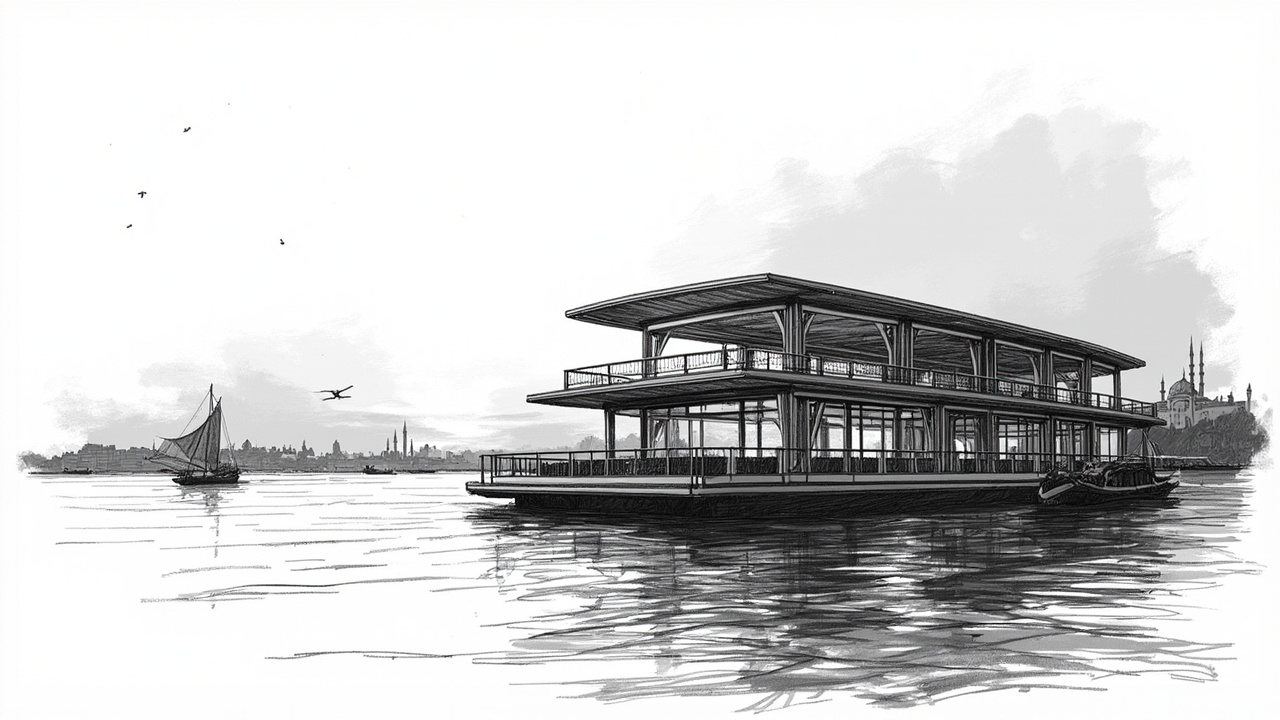
Egypt's Chamber of Tourism Establishments and Restaurants has extended the deadline for floating restaurant legalization to December 31, 2026. The decision came after coordination with the General Authority for River Transport under the Ministry of Transport. This one-year extension gives owners additional time to meet legal and technical requirements.
Regulatory Framework for Floating Establishments
Floating restaurants operate under specific regulations from multiple Egyptian authorities. The General Authority for River Transport oversees river safety and navigation permits. The Ministry of Tourism licenses tourism establishments. The Egyptian Environmental Affairs Agency requires environmental compliance certificates. Owners must obtain all necessary permits before the new deadline.
Legalization involves several concrete steps. Owners must submit structural integrity reports from certified engineers. They need fire safety certifications from the Civil Protection Authority. Electrical and plumbing systems require inspection by licensed technicians. All documentation goes to the Chamber of Tourism Establishments and Restaurants for final approval.
Why It Matters
This extension matters for Egypt's tourism sector and business environment. Floating restaurants contribute significantly to Nile tourism. They employ thousands of workers directly. They support local suppliers for food and beverages. Legalization brings these businesses into the formal economy. This increases tax revenue for the government.
Regularization improves safety standards for customers and workers. It ensures proper waste management systems protect the Nile River. It creates a level playing field for all tourism businesses. Legal businesses can access bank financing more easily. They can participate in government tourism promotion programs.
Current State of Floating Restaurants
Egypt has approximately 150 floating restaurants along the Nile. Most operate in Cairo and Luxor. About 40% currently lack full legal status. The Chamber of Tourism Establishments and Restaurants reports 60 floating restaurants completed regularization in 2023. Another 30 began the process in early 2024.
Legalization costs vary by establishment size. Small floating restaurants pay EGP 50,000 to EGP 100,000 (USD 1,600 to USD 3,200). Medium establishments face costs of EGP 150,000 to EGP 300,000 (USD 4,800 to USD 9,600). Large operations may spend EGP 500,000 or more (USD 16,000+). These figures cover permit fees, technical upgrades, and professional services.
What Businesses Should Watch
Floating restaurant owners should start the legalization process immediately. The December 2026 deadline provides time but requires action. They should consult with the Chamber of Tourism Establishments and Restaurants for guidance. They need to budget for compliance costs. They should schedule inspections well in advance.
Businesses should monitor regulatory developments. The General Authority for River Transport may update technical requirements. The Ministry of Tourism could revise licensing procedures. Environmental standards might become stricter. Proactive engagement with authorities reduces last-minute complications.
Owners should consider potential benefits of legalization. Regularized businesses qualify for government support programs. They gain access to official tourism marketing channels. They can participate in international tourism fairs. Legal status improves their reputation with customers and partners.
Economic Context and Tourism Recovery
Egypt's tourism sector shows strong recovery signs. The Ministry of Tourism reported 14.9 million tourist arrivals in 2023. This represents a 28% increase from 2022. Tourism revenue reached USD 13.6 billion in 2023. The government targets 30 million annual tourists by 2028.
Floating restaurants play a specific role in this recovery. They offer unique dining experiences on the Nile. They attract both international tourists and local customers. Legalization supports sector growth by ensuring quality standards. It addresses safety concerns that could deter visitors.
Implementation Challenges and Solutions
Some floating restaurant owners face implementation challenges. Older establishments may need substantial upgrades to meet current standards. Technical inspections can reveal unexpected requirements. Permit processing sometimes experiences delays.
The Chamber of Tourism Establishments and Restaurants addresses these challenges. It provides technical assistance to owners. It coordinates with relevant authorities to streamline procedures. It offers workshops on compliance requirements. These efforts help businesses meet the 2026 deadline.
Broader Implications for Egyptian Business
This extension reflects Egypt's approach to business regulation. The government balances enforcement with practical timelines. It recognizes the economic importance of tourism businesses. It provides reasonable periods for compliance. This approach supports business continuity while improving standards.
The floating restaurant sector demonstrates broader trends. Formalization increases tax collection. It enhances consumer protection. It promotes environmental stewardship. Successful implementation could serve as a model for other informal sectors.
Egypt continues to develop its regulatory framework for tourism. The Ministry of Tourism works on comprehensive tourism law revisions. These aim to simplify licensing procedures. They seek to attract more investment to the sector. Floating restaurant legalization aligns with these broader goals.
Next Steps for Affected Businesses
Floating restaurant owners have clear next steps. They should assess their current compliance status. They must identify required upgrades and permits. They need to develop implementation timelines. They should maintain open communication with regulatory authorities.
The Chamber of Tourism Establishments and Restaurants remains the primary contact point. It facilitates interactions with other government agencies. It provides updated information on requirements. It helps resolve specific compliance issues.
The December 2026 deadline offers sufficient time for proper regularization. Businesses that start early avoid last-minute rush. They secure their operations for the long term. They contribute to Egypt's tourism growth and regulatory improvement.