African Heritage Sites Expand as Egypt Hosts Conservation Board

Four New African Sites Join UNESCO World Heritage List
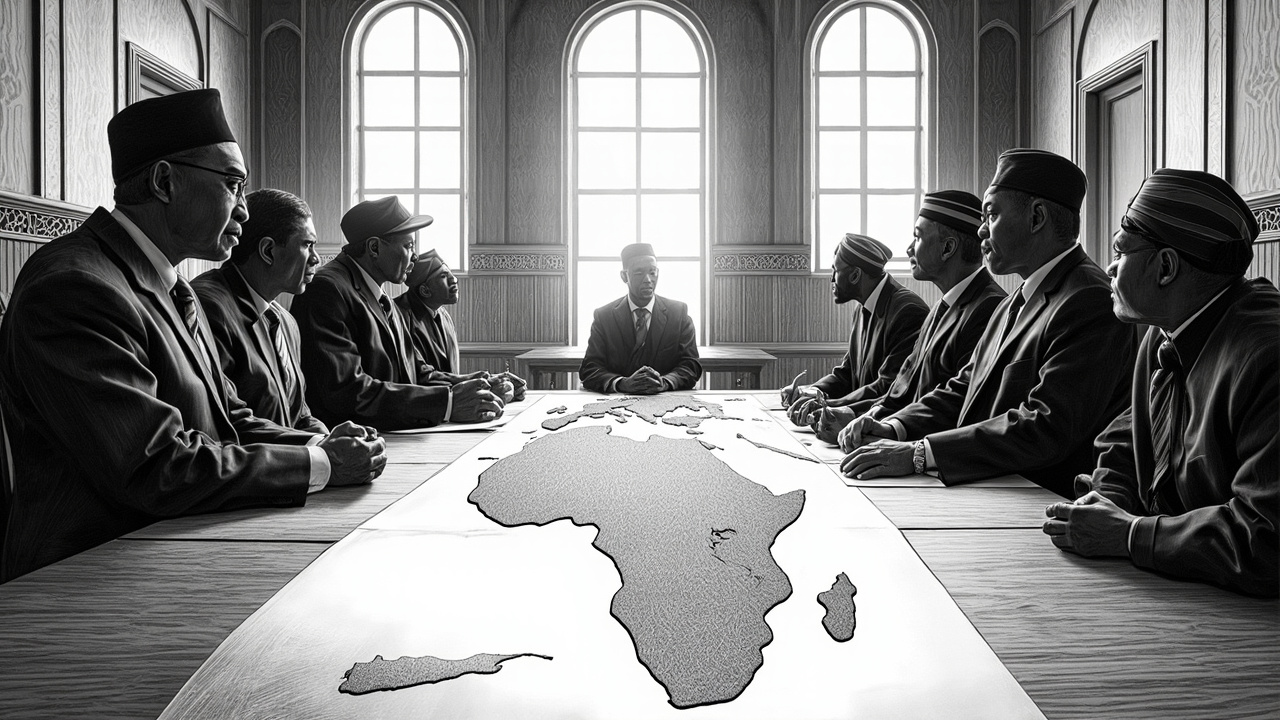
The African World Heritage Fund registered four new African heritage sites on the UNESCO World Heritage List. This registration occurred during the last six months. Officials announced the achievement during board meetings hosted by Egypt. The 38th session of the AWHF Board of Directors took place in Cairo. Egypt's Ministry of Foreign Affairs and Emigration hosted the meetings.
Egypt's Role in African Heritage Conservation
Egypt served as host for the AWHF board meetings in Cairo. The Ministry of Foreign Affairs and Emigration organized the event. This hosting role demonstrates Egypt's commitment to pan-African cultural preservation. Egypt already has seven UNESCO World Heritage sites. These include the Pyramids of Giza and Historic Cairo. The country invests approximately EGP 500 million ($10.6 million) annually in heritage conservation. The Supreme Council of Antiquities oversees these efforts.
The Newly Registered Heritage Sites
The four new sites represent diverse African heritage. They span different regions and cultural traditions. Registration provides international recognition and protection. UNESCO designation often triggers increased tourism and conservation funding. The African continent now has 98 World Heritage sites. This represents about 9% of the global total. Africa's representation has grown from 76 sites in 2010.
Why It Matters for African Economies
World Heritage designation creates immediate economic opportunities. Tourism typically increases by 20-30% in the first year after listing. Local businesses benefit from visitor spending. The African Development Bank reports heritage tourism generates $34 billion annually across Africa. This represents 8.5% of the continent's GDP. Countries like Ethiopia and Tanzania show how heritage drives growth. Ethiopia's Rock-Hewn Churches in Lalibela attract 50,000 visitors yearly. Tanzania's Kilimanjaro National Park contributes $50 million annually to local economies.
Heritage conservation requires substantial investment. The AWHF provides grants averaging $150,000 per project. National governments typically match these funds. Egypt's conservation budget has grown 15% annually since 2020. Other African nations follow similar patterns. Kenya allocated KES 2.3 billion ($17.8 million) for heritage in 2023. South Africa's Department of Sports, Arts and Culture budgets ZAR 4.1 billion ($218 million) for cultural programs.
What Businesses Should Watch
Tourism operators should monitor development plans around new sites. Infrastructure projects often follow UNESCO designation. The African Development Bank plans $2.1 billion in tourism infrastructure across Africa by 2025. Construction firms may find opportunities in visitor centers and transportation links. Hospitality brands should assess location potential. Marriott International expanded its African portfolio by 12 properties in 2023. Accor plans 20 new African hotels by 2026.
Financial institutions offer specialized products for heritage projects. The African Export-Import Bank provides heritage conservation loans at 5-7% interest. Local banks in Egypt, like Banque Misr, offer cultural project financing. Insurance companies develop policies for heritage assets. Chubb Limited insures cultural properties across Africa. Their coverage includes protection against climate damage and tourism impacts.
technology companies provide digital preservation tools. IBM's Heritage in the Cloud program serves African institutions. The platform digitizes artifacts and manages conservation data. Siemens AG installs climate control systems in heritage buildings. Their technology protects sensitive materials from humidity and temperature changes.
Conservation Challenges and Solutions
Climate change threatens many African heritage sites. Rising sea levels endanger coastal locations like Senegal's Island of Gorée. Desertification affects sites in Mali and Niger. The AWHF addresses these threats through adaptation grants. Their Climate Heritage Initiative has distributed $4.2 million since 2021. The program funds protective measures like seawalls and vegetation barriers.
Security concerns affect site management. Conflict has damaged heritage in Libya and Mali. The AWHF works with UNESCO's Emergency Fund. This collaboration provides rapid response to threats. The fund has allocated $2.8 million for African emergency interventions since 2020.
Future Prospects for African Heritage
The AWHF plans to register 15 more African sites by 2030. This expansion requires coordinated effort. National governments must submit nomination dossiers to UNESCO. The process typically takes 18-24 months. Each dossier costs $25,000-$50,000 to prepare. The AWHF provides technical assistance through its Nomination Support Programme.
Private sector partnerships will grow in importance. Companies like TotalEnergies support heritage through corporate social responsibility programs. Their African initiatives include site conservation and community engagement. De Beers Group funds archaeological research near their mining operations. Such collaborations benefit both heritage and business interests.
Egypt's successful hosting signals continued leadership. The country may pursue more regional heritage initiatives. Could Egypt establish a training center for African conservation professionals? The Ministry of Tourism and Antiquities already offers courses for African archaeologists. Expanding this program would strengthen continental capacity.
Economic Impact Assessment
Heritage conservation delivers measurable returns. The World Bank estimates every $1 invested in heritage generates $5 in economic benefits. These benefits include job creation and increased tax revenue. Rwanda's rehabilitation of cultural sites created 2,300 jobs in 2022. Ghana's heritage tourism employs 45,000 people directly. Indirect employment reaches 180,000 across related sectors.
Investment flows reflect growing confidence. Private equity firm AfricInvest allocated $15 million to heritage tourism projects in 2023. Development finance institutions increased heritage lending by 22% last year. The International Finance Corporation committed $120 million to African cultural infrastructure.
Strategic Recommendations
Businesses should engage early with newly designated sites. Local partnerships often determine success. Understanding community needs proves essential. Heritage projects require sensitivity to cultural contexts. Sustainable approaches yield long-term benefits. The AWHF registration marks progress in African heritage recognition. Egypt's hosting role reinforces regional cooperation. Economic opportunities will follow for alert businesses.