Starting Tourism Tech Business in East Africa Guide

Introduction
This guide provides complete instructions for launching a tourism technology business in East Africa. Tourism tech combines travel services with digital platforms. East Africa offers exceptional opportunities in this growing sector.
The region attracts millions of visitors annually. Countries like Kenya, Tanzania, and Uganda show strong tourism growth. Technology can solve many travel challenges in these markets.
Overview: East Africa Business Environment
East Africa's tourism industry generates over $12 billion annually. The region welcomes more than 8 million international visitors each year. Digital adoption is accelerating across Kenya, Tanzania, Rwanda, and Uganda.
Mobile penetration exceeds 80% in most East African countries. Internet connectivity continues improving rapidly. These factors create ideal conditions for tourism technology ventures.
Government policies increasingly support digital entrepreneurship. Countries offer various incentives for tech startups. Registration processes have become more streamlined in recent years.
Market Research and Opportunity Identification
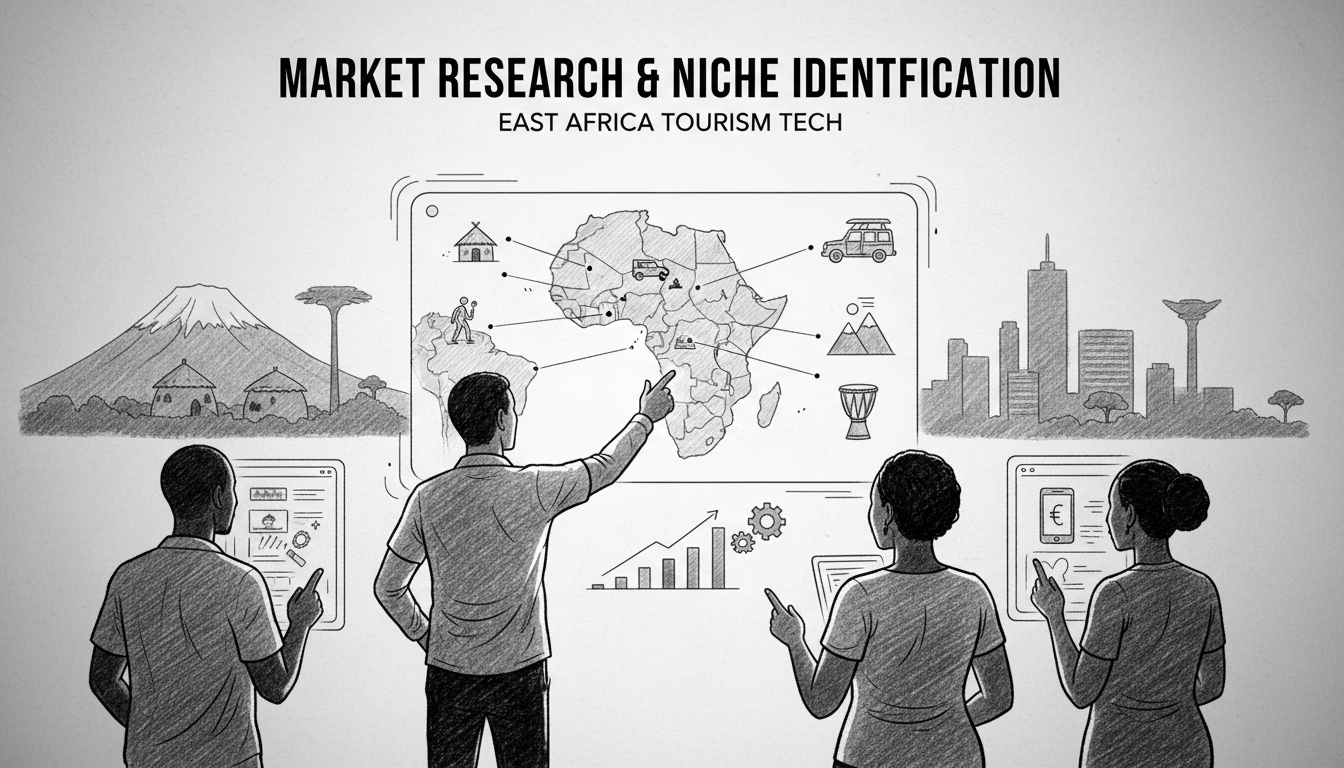
Begin with thorough market research. Identify specific pain points in East African tourism. Common issues include booking difficulties, payment challenges, and information gaps.
Analyze existing tourism tech companies like Jumia Travel and SafariBookings. Study their business models and customer feedback. Look for underserved niches in the market.
Focus on solving real problems for travelers and local businesses. Consider cultural preferences and local payment methods. Mobile money services like M-Pesa dominate financial transactions.
Business Model Selection
Choose between B2C, B2B, or hybrid business models. B2C platforms connect directly with travelers. B2B services target hotels, tour operators, and transportation providers.
Common tourism tech models include booking platforms, review sites, and travel management tools. Consider revenue streams like commission fees, subscription plans, or advertising.
Evaluate scalability and local adaptation requirements. Some models work better in urban centers than rural areas. Balance innovation with practical implementation.
Legal Structure and Registration
Select appropriate business registration type. Limited liability companies offer protection for founders. Registration costs vary by country from $200 to $800.
Kenya requires business name registration through eCitizen portal. Tanzania uses Business Registration and Licensing Agency. Rwanda offers online business registration through RDB.
Obtain necessary licenses and permits. Tourism businesses often need special operating licenses. Compliance requirements differ across East African Community member states.
Technology Development
Build minimum viable product first. Focus on core functionality that solves key customer problems. Use agile development methodology for flexibility.
Consider local technology infrastructure limitations. Optimize for mobile-first users. Ensure compatibility with popular devices and browsers in the region.
Partner with local developers who understand regional nuances. Development costs range from $15,000 to $50,000 for basic platforms. Include testing with actual users in East Africa.
Funding and Financial Planning
Estimate startup costs between $25,000 and $100,000. Include technology development, marketing, and operational expenses. Create detailed financial projections for at least three years.
Explore funding options like angel investors, venture capital, or grants. Organizations like Catalyst Fund and Seedstars support African tech startups.
Maintain careful cash flow management. Many tourism businesses experience seasonal fluctuations. Build financial reserves for slower periods.
Team Building and Talent Acquisition
Assemble diverse team with local knowledge. Include members who understand both technology and tourism sectors. Hire local talent for customer-facing roles.
Technical talent is available in cities like Nairobi, Kigali, and Kampala. Consider remote team members for specialized skills. Balance experience with fresh perspectives.
Develop clear roles and responsibilities from beginning. Establish company culture that values both innovation and customer service. Provide ongoing training and development.
Marketing and Customer Acquisition
Develop multi-channel marketing strategy. Use social media platforms popular in East Africa. Facebook and WhatsApp see high engagement rates.
Partner with local tourism businesses for mutual promotion. Attend industry events and trade shows. Build relationships with hotel associations and tour operators.
Implement referral programs and loyalty incentives. Focus on building trust through customer testimonials. Local influencers can help reach target audiences.
Costs and Timeline
Business registration takes 2-4 weeks and costs $300-$800. Technology development requires 3-6 months and $20,000-$60,000. Marketing launch budget should be $5,000-$15,000.
Office space in major cities costs $200-$800 monthly. Staff salaries range from $500 for junior positions to $2,500 for experienced managers. Legal and accounting services cost $200-$500 monthly.
Total time from concept to launch averages 6-9 months. Initial funding should cover 12-18 months of operations. Break-even typically occurs within 18-24 months.
Requirements
Business registration documents include passport copies, proof of address, and company memorandum. Tourism licenses require business plans and security bonds.
Technology requirements include domain registration, hosting, and payment processing integration. Compliance with data protection laws is mandatory.
Team requirements depend on business scale. Minimum team includes technical lead, business development manager, and customer support representative.
Tips and Best Practices
Start with focused geographic area before expanding. Understand local customs and business practices thoroughly. Build relationships with key industry players early.
Test assumptions with small pilot programs. Gather customer feedback continuously. Adapt quickly based on market response and local conditions.
Maintain strong financial discipline from beginning. Track key metrics like customer acquisition cost and lifetime value. Build resilient business model that withstands seasonal changes.
Avoid over-investing in technology before validating market demand. Don't underestimate importance of local partnerships. Never assume what works elsewhere will work in East Africa without adaptation.
FAQ Section
What tourism tech business models work best in East Africa? Booking platforms, tour operator management tools, and mobile travel guides show strong potential. Focus on solving specific local challenges.
How much funding do I need to start? Initial funding of $25,000 to $75,000 covers basic operations for 12-18 months. This includes technology, marketing, and team costs.
Which East African country is best for tourism tech? Kenya offers strong infrastructure and talent pool. Rwanda provides excellent government support. Tanzania has massive tourism volume. Choose based on your specific business model.
What are the biggest challenges in this sector? Internet connectivity in remote areas, payment processing, and building trust with customers present common challenges. Seasonality affects cash flow management.
How do I handle multiple currencies and payments? Integrate local mobile money systems like M-Pesa. Use payment processors that handle multiple currencies. Consider partnerships with local financial institutions.
What legal requirements are specific to tourism businesses? Special operating licenses, tourism levies, and compliance with industry standards apply. Requirements vary by country within East Africa.
How can I protect my technology and business ideas? Register trademarks and consider patent protection where applicable. Use strong contractual agreements with employees and partners. Focus on execution speed rather than idea protection.
Conclusion
Starting a tourism tech business in East Africa requires careful planning and local understanding. The region offers substantial growth opportunities for digital travel solutions.
Begin with thorough market research and clear problem identification. Build minimum viable product and test with real users. Secure adequate funding for sustained operations.
Next steps include connecting with local business networks and identifying potential partners. Develop detailed business plan with realistic financial projections. Start small, learn quickly, and scale deliberately.