South Africa Import Tariffs: What Investors Need to Know About SARS Changes

South Africa Import Tariffs: What Investors Need to Know About SARS Changes
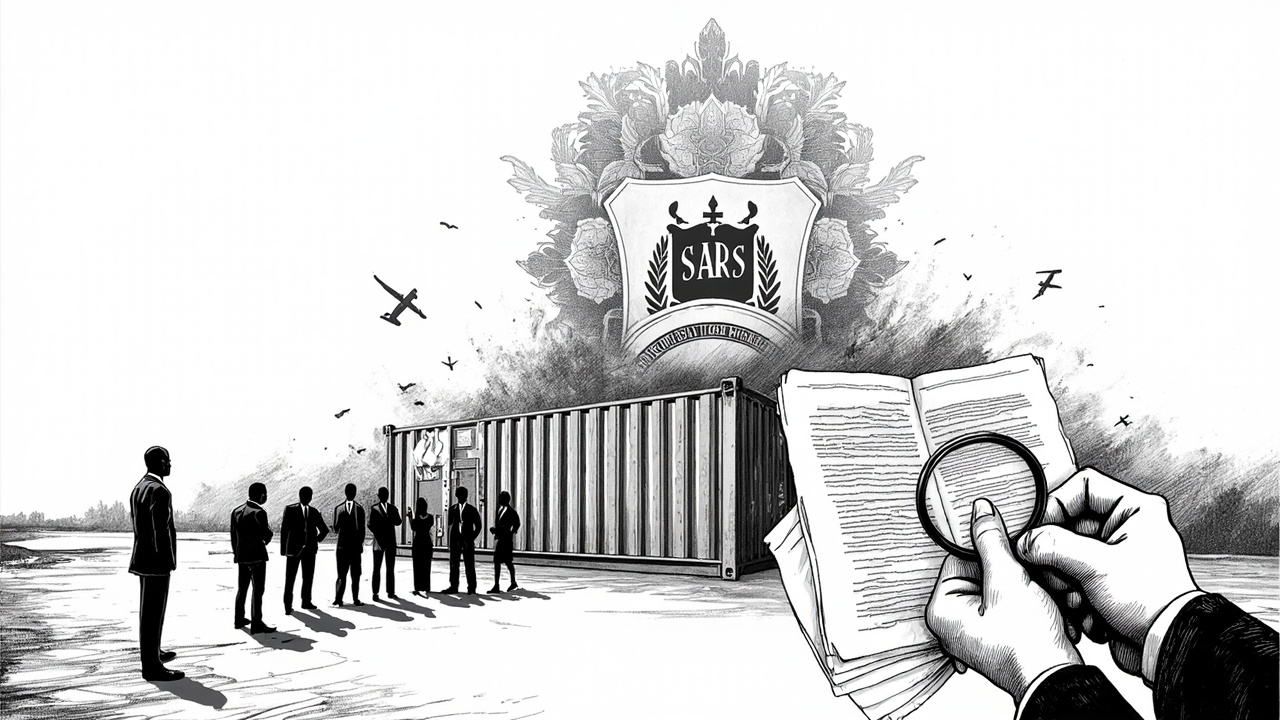
South Africa's import duty system presents increasing complexity and enforcement risks for investors. The South African Revenue Service (SARS) has tightened enforcement on classification errors that can trigger penalties of up to 200% of unpaid duties, while simultaneously digitizing systems that affect clearance times.
For investors in import-dependent sectors, this creates operational challenges. Manufacturing companies relying on imported components face margin compression, while retailers importing consumer goods deal with evolving clearance processes as SARS modernizes its systems.
How SARS enforcement patterns affect your costs
SARS has shifted from random audits to risk-based targeting using its Integrated Customs Management system. The agency has increased focus on electronics, textiles, and automotive parts where classification disputes generate significant penalty revenue.
The Customs and Excise Act allows SARS to impose penalties of 10% to 200% of unpaid duties for misclassification. In practice, first-time offenders typically face lower-range penalties, but repeat violations trigger maximum rates. This suggests aggressive enforcement patterns.
Companies importing similar products often receive different classifications from different SARS officers. This inconsistency creates compliance risk that advance rulings can mitigate, but the ruling process takes considerable time and costs vary depending on complexity.
Current tariff rates and what drives changes
South Africa's simple average tariff sits at 7.5%, but this masks significant variation. Agricultural products face 8.3% average rates with seasonal spikes during harvest protection periods. Non-agricultural goods average 7.4%, but electronics components often qualify for duty-free treatment under industrial development incentives.
The Department of Trade, Industry and Competition (DTIC) reviews tariff schedules annually, typically announcing changes in February for April implementation. Recent increases have targeted steel imports and textiles, with anti-dumping duties on Chinese products adding substantial additional costs.
Tariff quotas affect 37.1% of agricultural product lines, creating timing risk for food importers. Agricultural imports also face special safeguards affecting 37.3% of product categories, adding unpredictability for commodity importers.
Anti-dumping duties create unpredictable costs
South Africa maintains extensive anti-dumping duties across multiple product categories. Steel products face the heaviest restrictions, with duties varying significantly depending on origin country and specific grade.
The International Trade Administration Commission (ITAC) reviews these duties every five years, but can impose provisional measures within 60 days of receiving complaints. Recent provisional duties on solar panels and steel products have caught importers unprepared.
Duty rates vary by individual exporter, not just country of origin. This creates supplier concentration risk for importers who optimize around specific duty rates, as different producers from the same country face different tariff treatments.
AfCFTA implementation lags behind promises
The African Continental Free Trade Area launched in 2021 with promises of 90% tariff elimination over 10 years. Reality shows slower progress, with South Africa liberalizing tariffs on a limited percentage of product lines for African imports.
Rules of origin requirements remain complex and poorly understood. Products must contain at least 35% African content by value to qualify for preferential rates, but calculating this requires detailed supply chain documentation that many African suppliers cannot provide.
SARS has processed relatively few AfCFTA certificates of origin compared to other preferential trade certificates. This suggests businesses either don't understand the benefits or find compliance too burdensome, despite potential duty savings.
Managing compliance and cost risks
Successful importers invest in proper classification from the start. This means hiring experienced customs brokers who understand product-specific risks, not just generic clearing services. Specialist brokers charge higher fees but prevent costly classification errors.
Advance rulings provide classification certainty but require detailed technical documentation. The process involves significant costs and time, making it worthwhile only for regular, high-value imports. SARS issues limited advance rulings annually, suggesting most importers skip this protection.
Regular compliance audits identify classification drift before SARS does. Internal reviews should cover significant portions of import transactions quarterly, focusing on new products or suppliers. This catches errors while voluntary disclosure can reduce penalties compared to SARS-discovered violations.
Key takeaways for investors
South Africa's tariff environment combines moderate average rates with high enforcement risk and administrative complexity. The 7.5% simple average tariff masks significant variation across sectors, with agricultural products facing higher rates and quota restrictions.
Anti-dumping duties add substantial costs for affected products, particularly steel and textiles. These duties vary by individual supplier and can change with limited notice, creating supply chain risks.
Classification accuracy is critical, as penalties can reach 200% of unpaid duties. Investment in specialist customs expertise and regular compliance reviews provides essential protection against costly errors in this increasingly complex regulatory environment.