Ramaphosa's 40% Renewables Target Hits Grid Reality Check

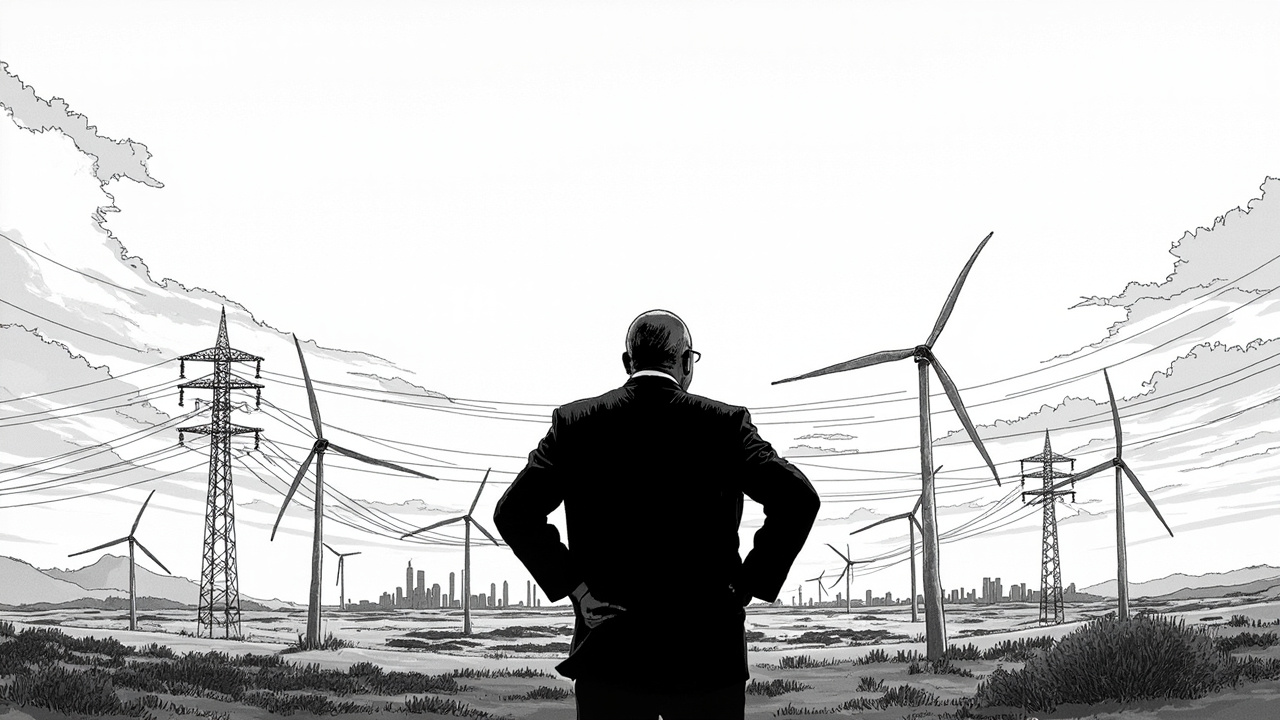
President Ramaphosa's 40% renewables target by 2030 sounds ambitious until you examine the infrastructure math. South Africa tech investors should focus on what the announcement doesn't address: the R2.23 trillion funding gap and Eskom's crumbling transmission network.
The Grid Constraint Reality
The numbers reveal a critical bottleneck. Up to 10,279 MW from wind projects could connect immediately if grid constraints were resolved. That's nearly a third of the projected 32 GW renewable capacity target for 2030. The renewable energy Independent Power Producer Procurement Programme has already attracted R100 billion in wind investment, but projects remain stranded due to transmission limitations.
Eskom's 50,230 MW grid wasn't designed for distributed generation. The utility faces a classic catch-22: it needs revenue from new capacity to fund grid upgrades, but can't connect new capacity without upgrading the grid first. The Independent Transmission Projects programme remains the critical path, yet regulatory bottlenecks continue hampering progress. This suggests private transmission investment will become essential, creating opportunities for infrastructure funds willing to navigate South Africa's complex regulatory environment.
The Tariff Sustainability Question
The IRP 2025's R2.2 trillion implementation cost over 15 years assumes private sector participation will fill the funding void. But Eskom's debt overhang makes long-term power purchase agreements risky for independent producers. The 38% CAGR in solar market growth looks impressive until you consider who's paying for grid integration costs.
The risk is straightforward: renewable capacity additions without transmission upgrades create stranded assets. IPP payment delays become inevitable when the off-taker can't physically receive the power. Expect grid infrastructure stocks to outperform generation plays until transmission capacity catches up with political promises.