Tanzania Pushes Kasulu Cement Factory Amid Project Delays

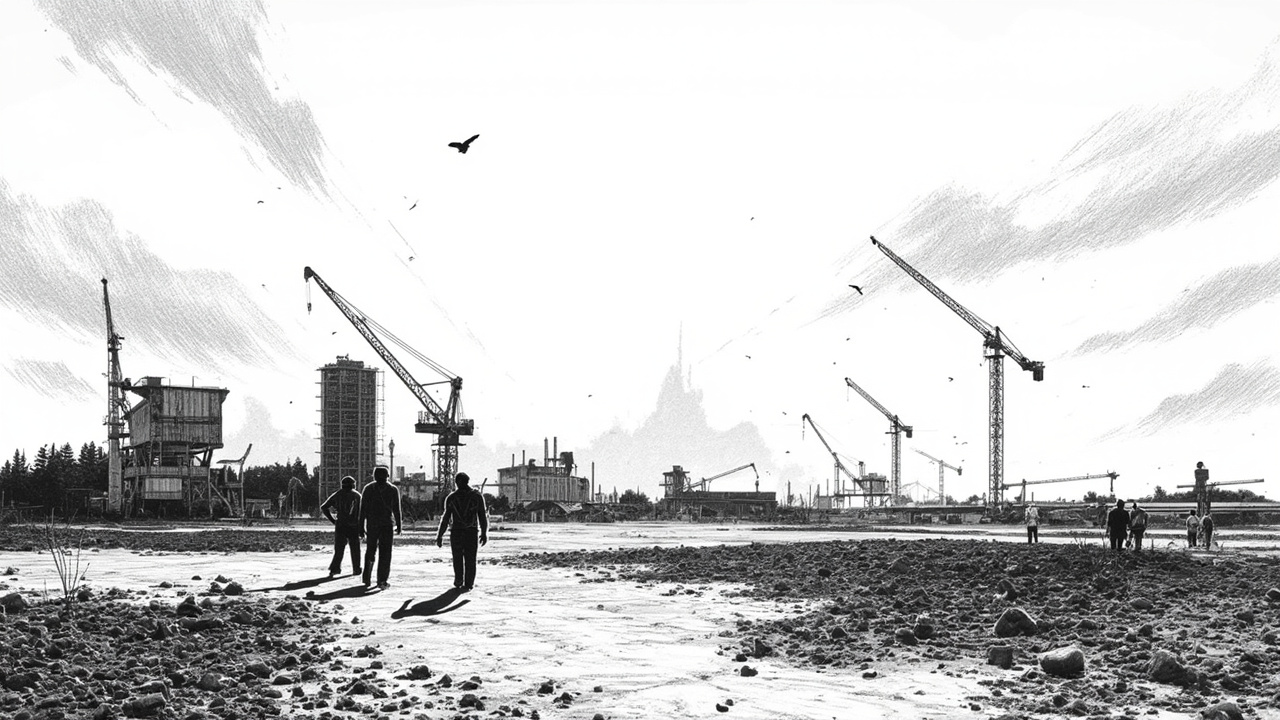
Government Presses Investor on Kasulu Cement Project
Deputy Minister for Industry and Trade Dennis Londo told Tanzania's National Assembly yesterday that the government is closely monitoring progress on the Kasulu Cement Factory project. Londo urged the investor, TACECO Ltd of Burundi, to accelerate implementation after a slow pace in completing key preparatory stages. The project has faced delays in its development timeline.
Londo addressed lawmakers in Dodoma during a parliamentary session. He confirmed that TACECO Ltd is still conducting necessary preparatory work for the factory. The government wants to see faster movement toward construction and eventual operation. This project represents a significant industrial investment in Tanzania's Kigoma region.
Project Background and Current Status
The Kasulu Cement Factory was announced as a major industrial development for western Tanzania. It aims to boost local cement production and create jobs in the region. Tanzania's cement consumption reached 6.5 million metric tons in 2023, according to the Tanzania Bureau of Statistics. Domestic production currently meets about 85% of this demand.
TACECO Ltd secured initial approvals for the project through the Tanzania Investment Centre. The company must complete environmental impact assessments with the National Environment Management Council. These assessments typically take 90 to 120 days for industrial projects of this scale. The factory requires multiple permits including those from the Ministry of Energy for power connections.
Construction costs for cement plants in Tanzania range from TZS 500 billion to TZS 800 billion ($200 million to $320 million). The Kasulu project falls within this investment range. Once operational, the factory could produce 1.5 million metric tons of cement annually. This would increase Tanzania's total cement production capacity by approximately 15%.
Why It Matters
Tanzania's construction sector grew by 8.2% in 2023, outpacing overall GDP growth of 5.1%. This expansion drives cement demand across residential, commercial, and infrastructure projects. The government's Tanzania Development Vision 2025 emphasizes industrialization as a key economic pillar. Cement production supports this vision by enabling construction activity.
Regional cement shortages sometimes occur during peak construction seasons. Local production helps stabilize prices and ensures supply consistency. The Kasulu factory would serve western Tanzania and potentially export to neighboring countries. Burundi imported 150,000 metric tons of cement in 2023, primarily from Tanzania and Kenya.
Industrial projects create direct employment in manufacturing and indirect jobs in supporting industries. The Kasulu Cement Factory could employ 300 to 500 workers once operational. Construction phase employment would be higher, potentially reaching 1,000 temporary positions. These jobs would provide economic benefits to the Kigoma region.
What Businesses Should Watch
Companies in Tanzania's construction sector should monitor the Kasulu project timeline. Cement availability affects project scheduling and cost management. The factory's progress will influence regional supply dynamics in western Tanzania. Businesses planning projects in Kigoma, Katavi, and neighboring regions should factor this potential supply source into their planning.
Investors should watch for TACECO Ltd's next steps. The company must complete its preparatory work and begin construction. Successful implementation would demonstrate Tanzania's ability to attract and execute industrial projects. This could encourage additional manufacturing investments in the country.
Regulatory compliance remains crucial for project advancement. TACECO Ltd must satisfy all requirements from the National Environment Management Council and other agencies. The Tanzania Revenue Authority will monitor tax obligations throughout the project lifecycle. These regulatory checkpoints provide transparency about project progress.
Supply chain businesses should prepare for potential opportunities. Cement production requires limestone, clay, gypsum, and other raw materials. Transportation companies would move both raw materials and finished products. Equipment suppliers might provide machinery for the factory's operations. These businesses should track the project's development stages.
Market Context and Regional Impact
Tanzania's cement industry includes several major producers. Twiga Cement, operated by Tanzania Portland Cement Company, controls about 40% of the market. Dangote Cement Tanzania and Lake Cement are other significant players. The Kasulu factory would introduce new competition in western regions.
East Africa's cement consumption is growing at 6-8% annually, according to the East African Community Secretariat. Kenya, Uganda, and Rwanda all have active construction sectors driving demand. Tanzania's strategic location positions it to serve both domestic and regional markets. The Kasulu factory's proximity to Burundi creates export potential.
Infrastructure development continues across Tanzania. The government's Standard Gauge Railway project requires substantial construction materials. Road construction and building projects in Dodoma, the new capital, also drive cement demand. These public projects complement private sector construction activity.
Energy costs affect cement production economics. Tanzania's electricity generation reached 1,602 megawatts in 2023, with expansion projects underway. Reliable power supply is essential for cement manufacturing operations. The Kasulu factory would need consistent energy access to operate efficiently.
Next Steps for the Project
TACECO Ltd must now accelerate its preparatory work. The company should provide regular updates to the Ministry of Industry and Trade. Clear timelines for environmental assessments and construction permits would help stakeholders understand the project schedule. The government's monitoring indicates continued interest in seeing this investment proceed.
Parliamentary oversight ensures accountability for industrial projects. The National Assembly's Industry, Trade, and Environment Committee can request progress reports. This legislative attention keeps the project visible and emphasizes its importance to Tanzania's development goals. Regular updates to Parliament provide transparency about implementation challenges and solutions.
Local communities in Kasulu await the economic benefits this project promises. Job creation and infrastructure development would transform the area's economic landscape. The factory could stimulate related businesses and services in the region. These potential benefits explain why both government and citizens are eager for progress.
Tanzania continues to position itself as an investment destination for manufacturing. The Kasulu Cement Factory represents a test case for industrial project execution. Its success or challenges will influence perceptions of Tanzania's business environment. All stakeholders now watch for tangible progress in the coming months.