Tanzania Rice Factory Invests 100 Billion Shillings in Production Boost

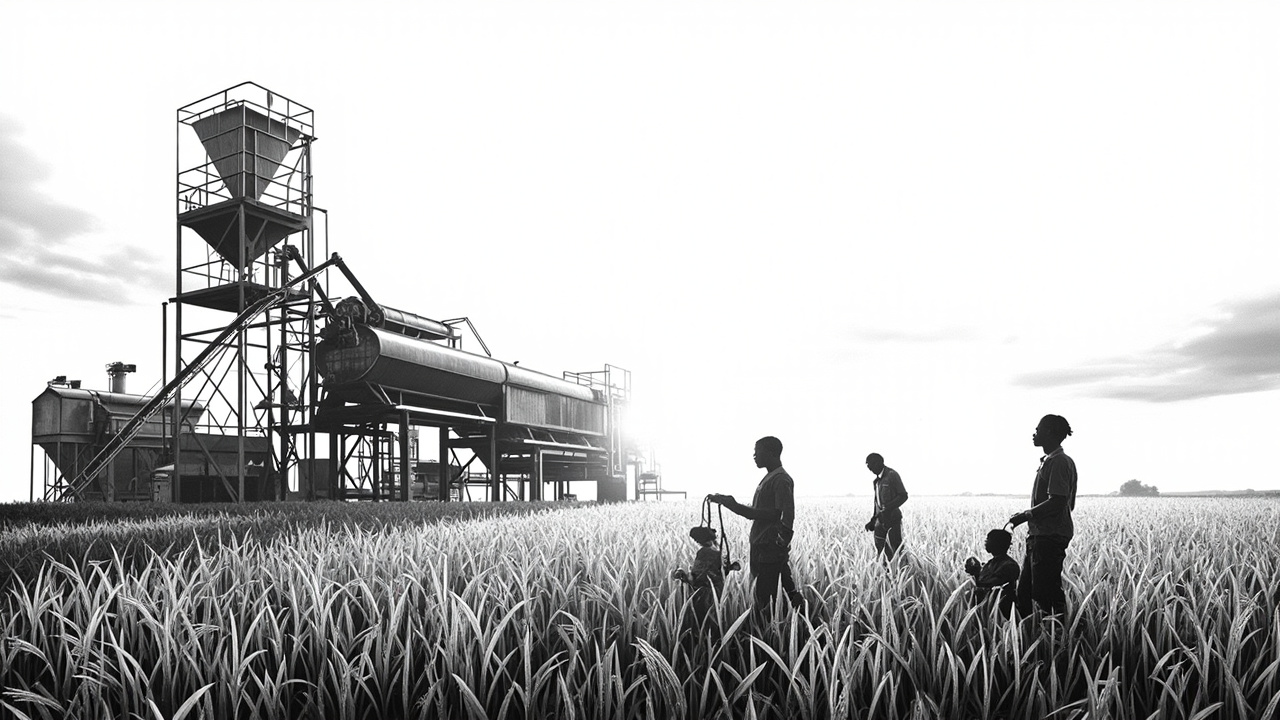
KOM Food Products Invests Heavily in Rice Processing
KOM Food Products Limited has invested 100 billion Tanzanian shillings (approximately $43 million) to expand its rice production capacity. The factory is located in Kahama District, Shinyanga Region. Dr Jesca Kabalwa, the company's director, confirmed the investment during a visit by Tanzania Investment and Special Economic Zones Authority (TISEZA) officials. The investment aims to increase rice processing and product development.
Tanzania's Rice Production Landscape
Tanzania produced 3.2 million metric tons of rice in 2022, according to the Ministry of Agriculture. This represents a 15% increase from 2021. The country aims to become a major rice exporter in East Africa. The government's Agricultural Sector Development Programme targets 5 million metric tons of annual rice production by 2025. Rice consumption in Tanzania has grown steadily, with per capita consumption reaching 45 kilograms in 2022.
Why the Investment Matters
This investment addresses Tanzania's rice processing gap. Many farmers sell raw paddy rice at low prices. Processed rice commands higher market value. KOM Food Products' expansion could create 200-300 direct jobs in Kahama. It also supports Tanzania's industrialization agenda under the Tanzania Development Vision 2025. The factory will process rice from local farmers in Shinyanga and neighboring regions. This reduces post-harvest losses, which currently average 25% for rice in Tanzania.
Government Support Through TISEZA
The Tanzania Investment and Special Economic Zones Authority visited the factory to assess progress. TISEZA offers incentives to qualifying investors, including tax holidays and import duty exemptions. Companies in special economic zones can receive corporate tax reductions from 30% to 10% for ten years. KOM Food Products likely qualifies for these benefits given its scale. The authority has registered over 2,500 projects since 2018, with total investments exceeding $15 billion.
What Businesses Should Watch
Food processing companies should monitor Tanzania's rice value chain development. The government prioritizes agricultural processing under its Five-Year Development Plan 2021/22-2025/26. Equipment suppliers could find opportunities in milling, sorting, and packaging machinery. Logistics firms might benefit from increased transport needs for processed rice. Competitors like Mohammed Enterprises Tanzania Limited and Sayona Farms Limited may respond with their own investments. The Bank of Tanzania's 2023 report shows agricultural credit grew by 18% last year, suggesting financing availability.
Regional Market Implications
Tanzania exported 150,000 metric tons of rice in 2022, mainly to Kenya and Rwanda. Processed rice exports could increase with investments like KOM Food Products'. The East African Community's Common External Tariff protects regional rice producers with a 35% duty on imports. This creates a favorable environment for Tanzanian processors. However, competition exists from Uganda, which produced 250,000 metric tons of rice in 2022. Tanzania's National Rice Development Strategy aims to boost exports to 500,000 metric tons annually by 2030.
Challenges and Opportunities
Rice processing faces infrastructure challenges in Tanzania. Only 65% of required milling capacity exists nationwide, according to the Tanzania Bureau of Standards. electricity reliability affects factory operations, though Kahama benefits from grid expansion. Water access for processing remains a concern in some regions. Opportunities include growing urban demand for packaged rice. Dar es Salaam's population exceeds 6 million people, creating a substantial market. Supermarket chains like Shoprite and Nakumatt increasingly stock local processed foods.
Future Outlook
KOM Food Products' investment signals confidence in Tanzania's rice sector. Successful implementation could attract similar investments. The factory might expand into value-added products like fortified rice or quick-cooking varieties. Tanzania's rice production has grown at 6% annually since 2020. The sector employs over 2 million smallholder farmers. With proper processing infrastructure, Tanzania could reduce its $200 million annual food import bill. The country currently imports some rice varieties not grown locally.
Key Takeaways for Investors
Agricultural processing offers solid returns in Tanzania. The government provides incentives through TISEZA and the Tanzania Revenue Authority. Rice consumption patterns show urban consumers prefer processed, packaged products. Infrastructure improvements continue, with the Tanzania Rural and Urban Roads Agency upgrading key transport corridors. Investors should engage local partners for market knowledge. They must obtain necessary permits from the Tanzania Food and Drugs Authority and local government authorities. Environmental impact assessments are required for large-scale processing facilities.