Tanzania Customs Revenue Soars with Modern Scanner Technology

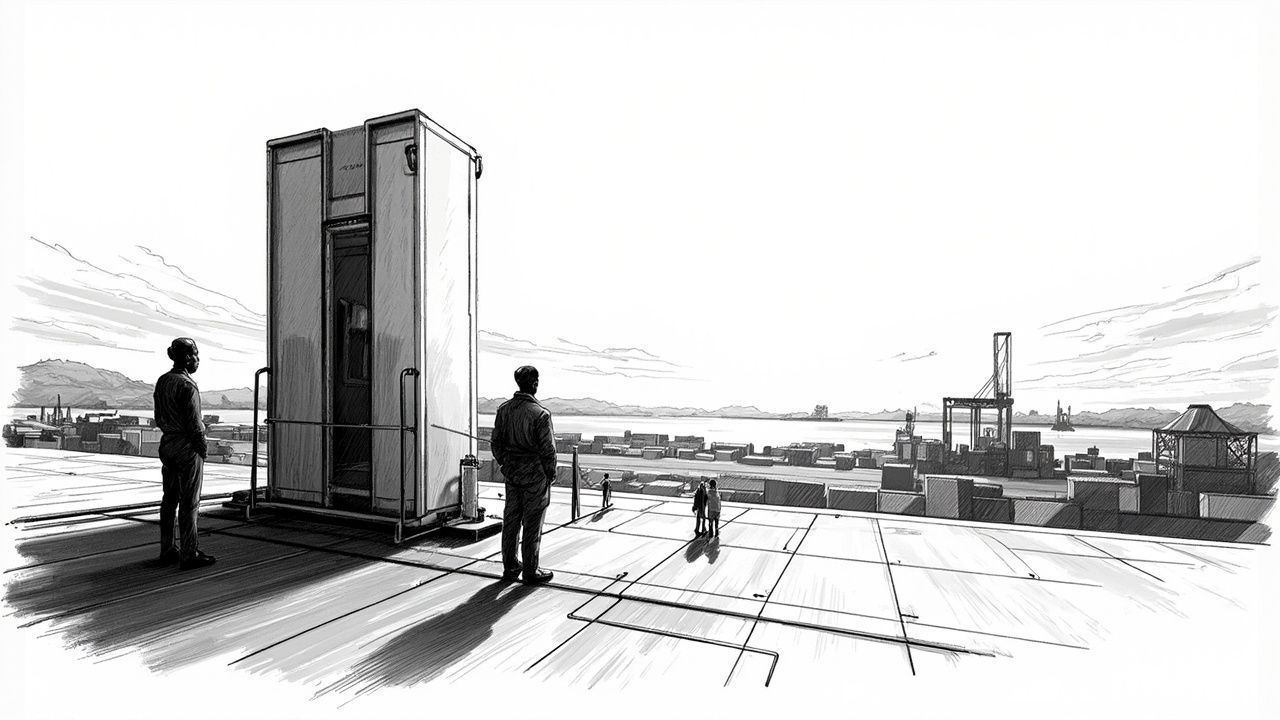
The Tanzania Revenue Authority (TRA) announced a major revenue increase from customs operations this week. TRA Commissioner General Yusuph Mwenda revealed that monthly customs collections have reached 1.2 trillion Tanzanian shillings. This represents a 50% jump from the previous average of 800 billion shillings per month. Mwenda made the announcement during World Customs Day celebrations in Dar es Salaam. He attributed the revenue surge directly to modern scanning technology deployed at key ports and border points.
Scanner Deployment and Implementation
TRA has installed advanced non-intrusive inspection scanners at major entry points. These include Dar es Salaam Port, Julius Nyerere International Airport, and the Namanga border crossing with Kenya. The scanners use X-ray and gamma-ray technology to examine containers and vehicles. They can detect concealed goods without physical inspection. This speeds up clearance while improving detection accuracy. TRA began deploying these systems in 2022 with funding from the Tanzania government. The authority worked with international technology providers to implement the systems. Installation required approval from the Tanzania Civil Aviation Authority for airport scanners. Port scanners needed permits from the Tanzania Ports Authority. Each scanner unit costs approximately 3.5 billion Tanzanian shillings (about $1.4 million). The total program investment exceeded 28 billion shillings ($11.2 million) for eight major installations.
Revenue Impact and Collection Details
The revenue increase represents one of Tanzania's most significant customs improvements in a decade. Monthly collections of 1.2 trillion shillings translate to approximately $480 million at current exchange rates. This boost comes as Tanzania seeks to reduce its budget deficit. The government projected a 5.7% deficit for the 2023/2024 fiscal year. Customs revenue accounts for roughly 40% of Tanzania's total tax collection. The World Bank reported Tanzania's tax-to-GDP ratio was 11.8% in 2022. This remains below the Sub-Saharan Africa average of 16.5%. The scanner technology has particularly improved collections from imported vehicles and machinery. These categories previously suffered from widespread undervaluation. The Tanzania Bureau of Statistics reported vehicle imports increased 18% year-over-year in 2023. Yet customs revenue from vehicles grew 42% during the same period. This discrepancy suggests improved valuation through scanning technology.
Operational Improvements and Challenges
Scanner implementation has reduced physical inspection times by approximately 70%. Container examination that previously took hours now completes in minutes. This has decreased congestion at Dar es Salaam Port by an estimated 30%. The port handles about 95% of Tanzania's international trade. Faster clearance benefits importers like Mohammed Enterprises Tanzania Limited and Motisun Holdings Limited. These companies rely on timely delivery of raw materials and equipment. However, some traders initially resisted the new systems. They cited concerns about potential delays during the transition period. TRA conducted training sessions for over 500 customs officers on scanner operation. The authority also held workshops for 200 major importers and clearing agents. Technical challenges included power supply issues at some border posts. TRA addressed this by installing backup generators at scanner locations.
Why It Matters
Tanzania's revenue increase matters for several reasons. First, it strengthens government finances for infrastructure and social programs. The Ministry of Finance plans to allocate additional funds to road construction and healthcare. Second, improved customs efficiency supports Tanzania's position as a regional trade hub. The country serves landlocked neighbors like Rwanda, Burundi, and Uganda. Third, reduced smuggling and undervaluation create fairer competition for legitimate businesses. Companies that properly declare goods no longer face unfair competition from tax evaders. Fourth, the technology demonstrates how digital transformation can boost revenue in developing economies. The International Monetary Fund has emphasized revenue mobilization as crucial for African nations. Tanzania's success could influence similar initiatives across East Africa.
What Businesses Should Watch
Importers and exporters should monitor several developments. First, TRA may expand scanner deployment to additional border points. The authority has identified ten more locations for potential installation. Second, businesses should prepare for continued scrutiny of declared values. The scanners provide TRA with detailed images of container contents. This makes misdeclaration more difficult. Third, companies might see reduced demurrage charges at ports. Faster clearance means containers spend less time in holding areas. Fourth, watch for potential changes to customs valuation procedures. TRA could implement more automated systems based on scanner data. Fifth, consider how improved revenue might affect government spending on infrastructure. Better roads and ports could ultimately reduce logistics costs for businesses. Sixth, monitor regional adoption of similar technologies. Kenya Revenue Authority has tested scanners at Mombasa Port. Rwanda Revenue Authority plans scanner deployment at its borders. Harmonized systems could simplify cross-border trade in the East African Community.
Future Outlook and Regional Context
TRA plans to integrate scanner data with its electronic single window system. This would create a more seamless digital customs process. The authority also considers adding radiation detection capabilities to some scanners. This would address security concerns about nuclear materials. Regionally, Tanzania's success comes as East African nations seek to boost tax collection. The East African Community aims to increase average tax-to-GDP ratios to 20% by 2030. Kenya collected 2.1 trillion Kenyan shillings ($16.2 billion) in revenue last fiscal year. Uganda reported 25.5 trillion Ugandan shillings ($6.8 billion) in collections. Rwanda collected 2.4 trillion Rwandan francs ($2.1 billion). Tanzania's customs improvement contributes to this regional trend. The country faces the challenge of maintaining revenue growth while facilitating trade. TRA must balance enforcement with efficiency to support Tanzania's economic ambitions.