Tanzania Launches Massive Agricultural Mechanization Drive

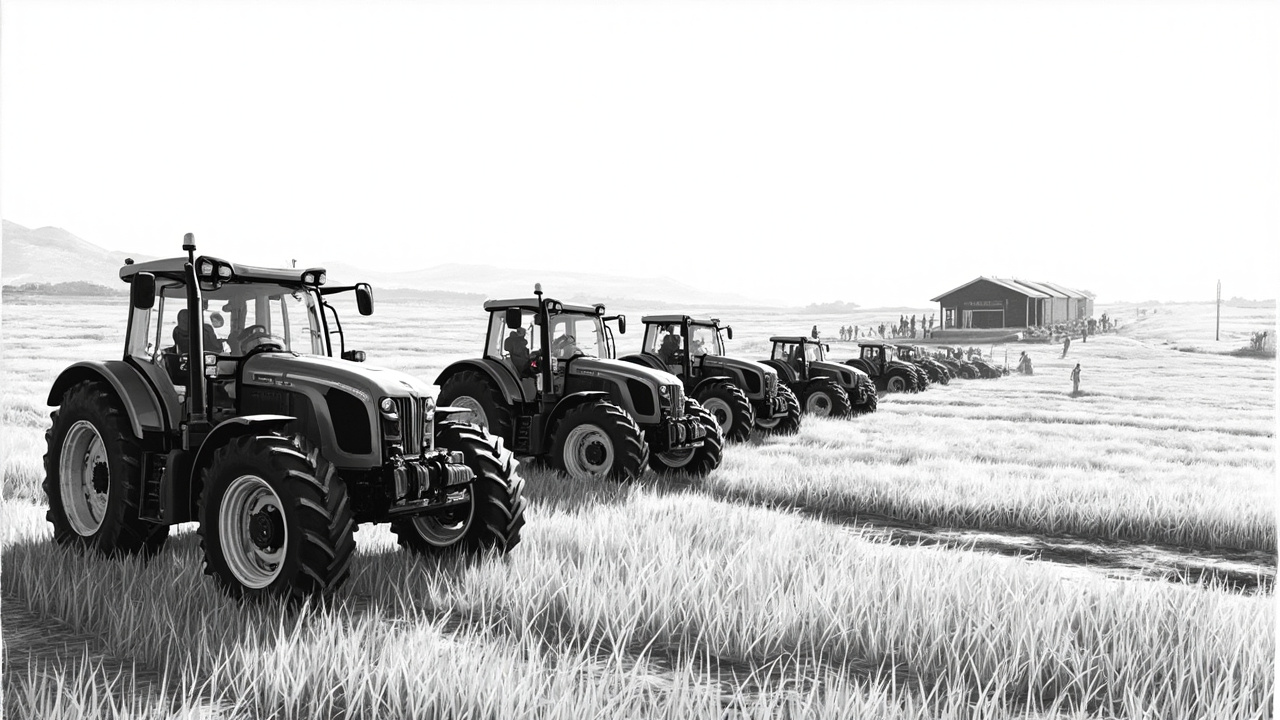
Tanzania Announces Major Farm Mechanization Initiative
Prime Minister Mwigulu Nchemba announced Tanzania's ambitious agricultural mechanization plan on Tuesday. The government will procure 10,000 tractors and establish 1,000 integrated machinery service centers nationwide. These centers will operate at the ward level across all regions. The program aims to transform Tanzania's agricultural sector through modern equipment access.
The Scale and Structure of the Program
The 10,000 tractors represent a significant increase in Tanzania's mechanized farming capacity. Each of the 1,000 service centers will serve multiple villages within their wards. Farmers can access equipment through rental or service agreements. The centers will provide maintenance, training, and spare parts support. This infrastructure approach ensures sustainable equipment use beyond initial distribution.
Why It Matters for Tanzania's Economy
Agriculture contributes 28.7% to Tanzania's GDP according to World Bank 2022 data. The sector employs about 65% of the workforce. Current low mechanization levels limit productivity and keep many farmers in subsistence farming. This initiative directly addresses Tanzania's National Agricultural Policy 2013 goals. Increased mechanization could boost crop yields by 30-50% based on similar programs in Ethiopia and Ghana.
Implementation Timeline and Funding
The program will roll out over three years beginning in 2024. The government has allocated 1.2 trillion Tanzanian shillings (approximately $500 million USD) for initial implementation. Funding comes from domestic resources and development partner support. The Ministry of Agriculture will oversee procurement through established government tendering processes. Equipment delivery will follow a phased regional approach.
Business Opportunities in the Mechanization Sector
Local and international agricultural machinery companies can participate in the tender process. Companies like Mahindra & Mahindra, John Deere, and AGCO have existing operations in East Africa. Local distributors such as Tanzania Agricultural Machinery Distributors Ltd may expand their service networks. Financial institutions can develop equipment financing products for farmers. Insurance companies can create specialized coverage for agricultural machinery.
What Businesses Should Watch
Monitor tender announcements from the Tanzania Public Procurement Regulatory Authority. Watch for partnership opportunities with the 1,000 service centers. Track regional implementation schedules to time market entry. Observe how smallholder farmers adopt mechanization services. Follow policy developments around agricultural subsidies and financing. The success of this program may influence similar initiatives across East Africa.
Challenges and Considerations
Previous mechanization efforts faced sustainability challenges. Equipment maintenance and operator training require consistent investment. Fuel availability and cost affect operational viability in remote areas. The program must balance commercial viability with smallholder farmer affordability. Climate considerations may influence equipment specifications for different regions.
Market Impact and Regional Context
Tanzania's agricultural mechanization rate currently stands at about 15%. This compares to 60% in South Africa and 35% in Kenya. The program could increase Tanzania's mechanization rate to 30% within five years. Neighboring countries may accelerate their own mechanization plans in response. Regional agricultural equipment markets could see 20-30% growth from this initiative alone.
The Path Forward
The success of this program depends on effective implementation. Regular farmer feedback mechanisms will help adjust service models. Private sector partnerships can enhance sustainability beyond government funding. technology integration, like digital booking systems, could improve center efficiency. This initiative represents Tanzania's most comprehensive agricultural modernization effort in decades.