Algeria's Refinery Delays Signal Opportunity for Senegal Markets

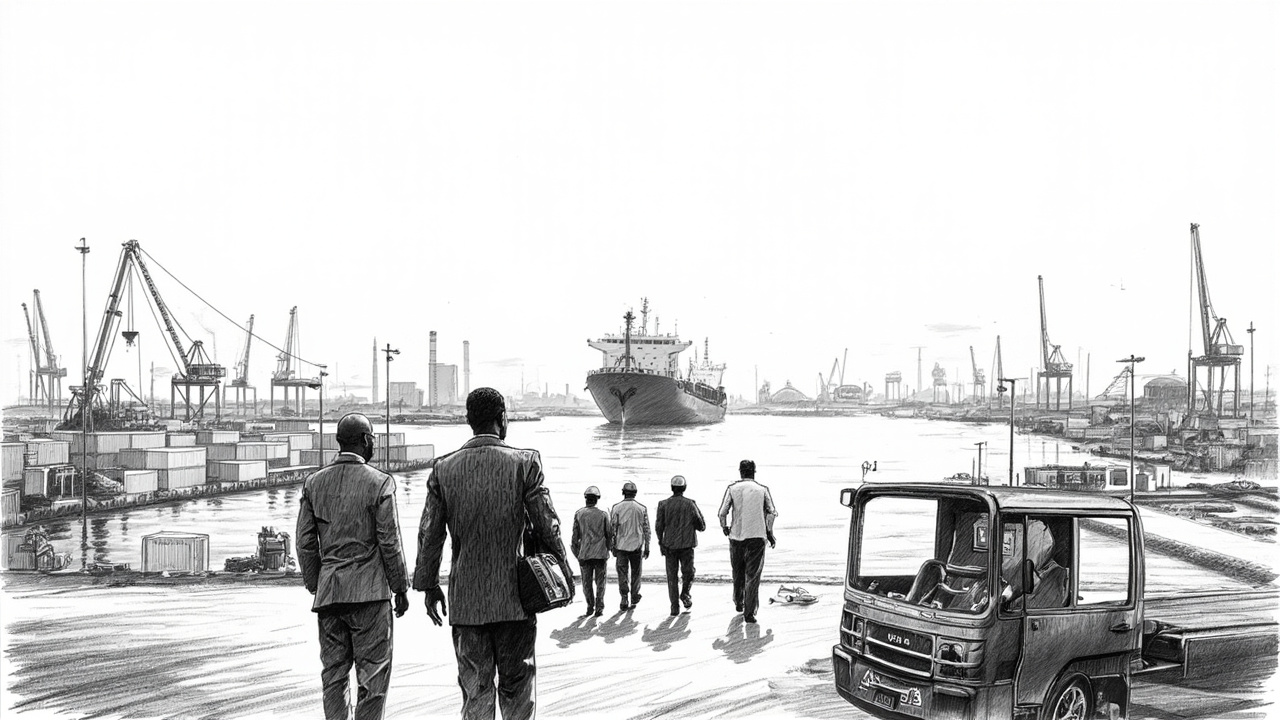
Algeria's Hassi Messaoud refinery project faces major delays and cost overruns, with Samsung Engineering replaced by Sinopec as partner to Técnicas Reunidas. The project, originally awarded in 2019 and contracted in 2020, now struggles with execution. This creates a strategic opening for Senegal markets to capture regional refining dominance.
West Africa's Refining Race Accelerates
While Algeria stumbles, Senegal advances aggressively. The country unveiled SAR 2.0 in 2024, a $5 billion second refinery with 4 million tons annual capacity. Construction targets 2026, operations by 2029. Funding comes from China, Turkey, and South Korea - notably excluding the problematic Samsung Engineering now exiting Algeria's project. Société Africaine de Raffinage leads execution under CEO Mamadou Abib Diop. The Sangomar field started production mid-2024 with strong 2025 forecasts, providing crude feedstock. This suggests Senegal learned from Algeria's contractor selection mistakes. Nigeria's Dangote Refinery expansion adds pressure, but Senegal's timeline advantage could secure regional market share before competitors recover.
Fiscal Reality Check Looms
Senegal's ambitious refining plans face payment system vulnerabilities that mirror mobile money agent network challenges. The country imported $2.07 billion in refined petroleum in 2023 while exporting only $844 million - a massive trade deficit requiring constant foreign exchange outflows. Rising public debt and debt-service costs limit state funding, forcing reliance on public-private partnerships. No final decision exists on refinery location or government equity share. This suggests float management risks similar to dormant mobile money accounts - ambitious targets without sustainable funding mechanisms. The risk is project delays when international partners demand stronger fiscal guarantees or higher returns.
Expect Senegal to capture market share from Algeria's delays, but watch for funding gaps that could mirror the sustainability issues plaguing African agent networks. Will Senegal's refining ambitions face the same execution challenges as Algeria's troubled project?