AD: 970x90
Markets

Shell Nigeria Profits Rise Despite Oil Price Drop

Kofi Mensa Kofi Mensa 663 views
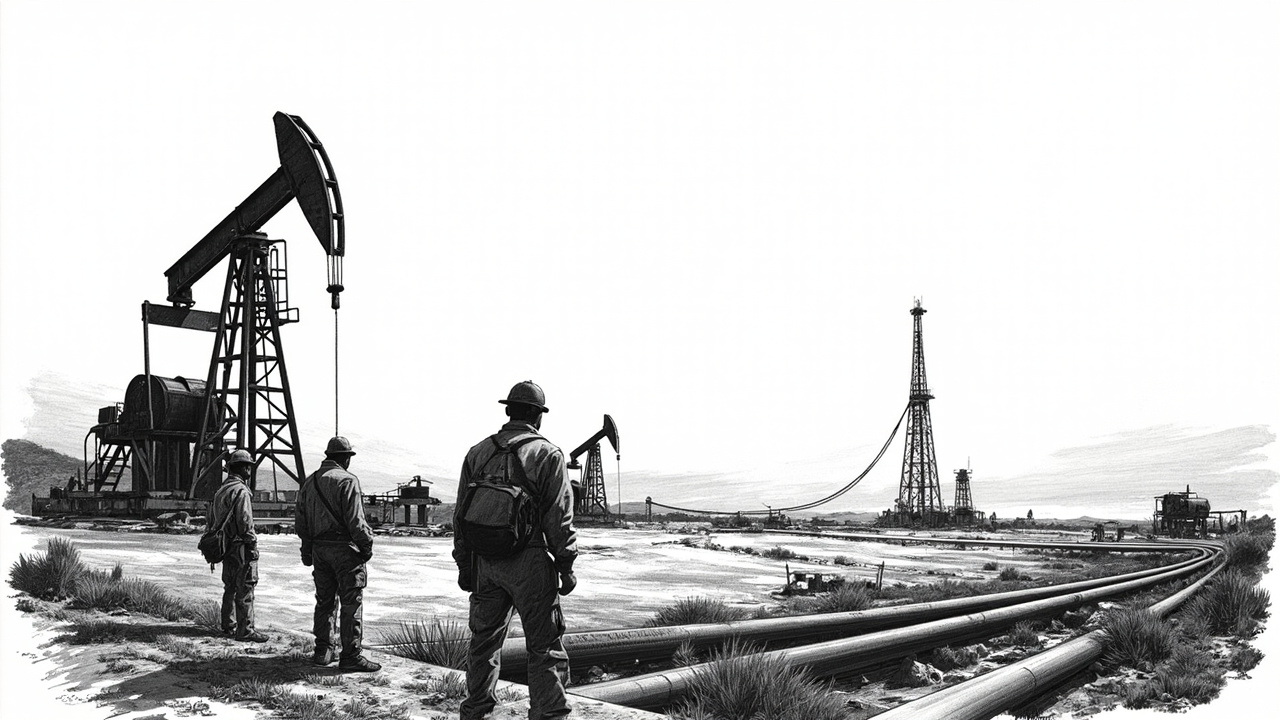
Illustration for Shell Nigeria Profits Rise Despite Oil Price Drop
Editorial illustration for Shell Nigeria Profits Rise Despite Oil Price Drop
AD: 300x250 / responsive

British energy giant Shell reported an 11 percent increase in net profit last year. The company achieved this despite falling global oil and gas prices. Higher production volumes and reduced operational costs drove the positive results. Shell operates extensively in Nigeria through its Shell Petroleum Development Company (SPDC) joint venture. The Nigerian National Petroleum Corporation (NNPC) holds a 55 percent stake in SPDC. Shell's performance in Nigeria contributed significantly to its global earnings. The company faced challenges from oil theft and pipeline vandalism in the Niger Delta. Security improvements and cost-cutting measures helped offset these issues. Nigeria's oil production averaged 1.45 million barrels per day in 2023. This marked a 5 percent increase from the previous year according to OPEC data. Shell's Nigerian operations produced approximately 600,000 barrels per day. The company invested ₦150 billion ($180 million) in community development projects last year. These projects focused on education, health, and infrastructure in host communities. Shell also secured permits from the Nigerian Upstream Petroleum Regulatory Commission (NUPRC) for three new oil fields. The permits cost ₦25 billion ($30 million) each. Development timelines for these fields range from 18 to 24 months. Nigeria's oil sector contributed 8.5 percent to GDP in 2023 according to the National Bureau of Statistics. This represented a slight increase from 8.2 percent in 2022. Shell's profit growth occurred amid volatile global oil markets. Brent crude prices averaged $82 per barrel in 2023. This was down from $99 per barrel in 2022. The price decline reduced revenue for many producers. Shell's cost management and volume increases proved effective countermeasures. The company reduced its Nigerian operating costs by 15 percent last year. This saved approximately ₦200 billion ($240 million). Shell's Nigerian workforce numbers around 5,000 direct employees. The company also supports an estimated 50,000 indirect jobs through contractors and suppliers. Nigeria remains Shell's largest operational base in Africa. The company has operated in the country since 1937. Shell's recent performance demonstrates resilience in a challenging market. Other major operators in Nigeria include Chevron, TotalEnergies, and Eni. These companies face similar pressures from price volatility and security concerns. Nigeria's oil sector requires sustained investment to maintain production levels. The Petroleum Industry Act (PIA) of 2021 aims to improve the regulatory environment. Implementation of the PIA continues gradually. Shell's results provide a positive signal for Nigeria's oil industry. The company plans further investments in gas development and renewable energy projects. Shell aims to achieve net-zero emissions by 2050. Its Nigerian operations will play a key role in this transition.

Why It Matters

Shell's profit growth matters for Nigeria's economy and energy sector. The company is a major contributor to government revenue through taxes and royalties. Shell paid approximately ₦500 billion ($600 million) in taxes to the Nigerian government last year. This revenue supports national budgets and development projects. The profit increase suggests operational improvements in Nigeria's oil industry. It may encourage other international companies to maintain or increase their investments. Nigeria needs foreign investment to boost oil production and explore new fields. The country aims to increase production to 2 million barrels per day by 2025. Shell's performance shows that efficient operations can overcome price challenges. This is crucial for Nigeria's economic stability. Oil exports account for about 90 percent of Nigeria's foreign exchange earnings. Any positive development in the sector strengthens the national currency and reduces pressure on reserves. Shell's community investments also matter for social stability in oil-producing regions. These projects help address local grievances and reduce conflicts. Improved security in the Niger Delta benefits all operators and supports production growth.

What Businesses Should Watch

Businesses should watch several key developments following Shell's results. First, monitor Shell's investment plans in Nigeria. The company may announce new projects or expansions in coming months. Second, watch for similar financial reports from other major operators like Chevron and TotalEnergies. These will indicate whether Shell's success is an industry trend or an isolated case. Third, observe government actions under the Petroleum Industry Act. The NUPRC may introduce new regulations or incentives affecting oil companies. Fourth, track global oil price movements. Prices influence investment decisions and profitability across the sector. Fifth, watch security updates from the Niger Delta. Any increase in oil theft or vandalism could reverse recent gains. Businesses should also note Shell's transition efforts. The company's investments in gas and renewables may create new opportunities for local suppliers and partners. Nigeria's gas reserves rank among the largest in Africa. Developing this resource could drive economic growth and provide cleaner energy. Finally, watch for changes in Nigeria's oil production data. Monthly reports from the NUPRC will show whether production continues to rise. Sustained growth would support further profit increases for Shell and other operators. Businesses operating in or with Nigeria's energy sector should stay informed on these points. They will affect investment climate, operational costs, and market opportunities.

Companies Mentioned

ShellChevronTotalEnergiesEniNNPC

TOPICS

Shell Nigeriaoil profitsNigeria oil sectorenergy marketsPetroleum Industry Act