Shell's Bonga Platform Maintenance Cuts Nigeria's Oil Output

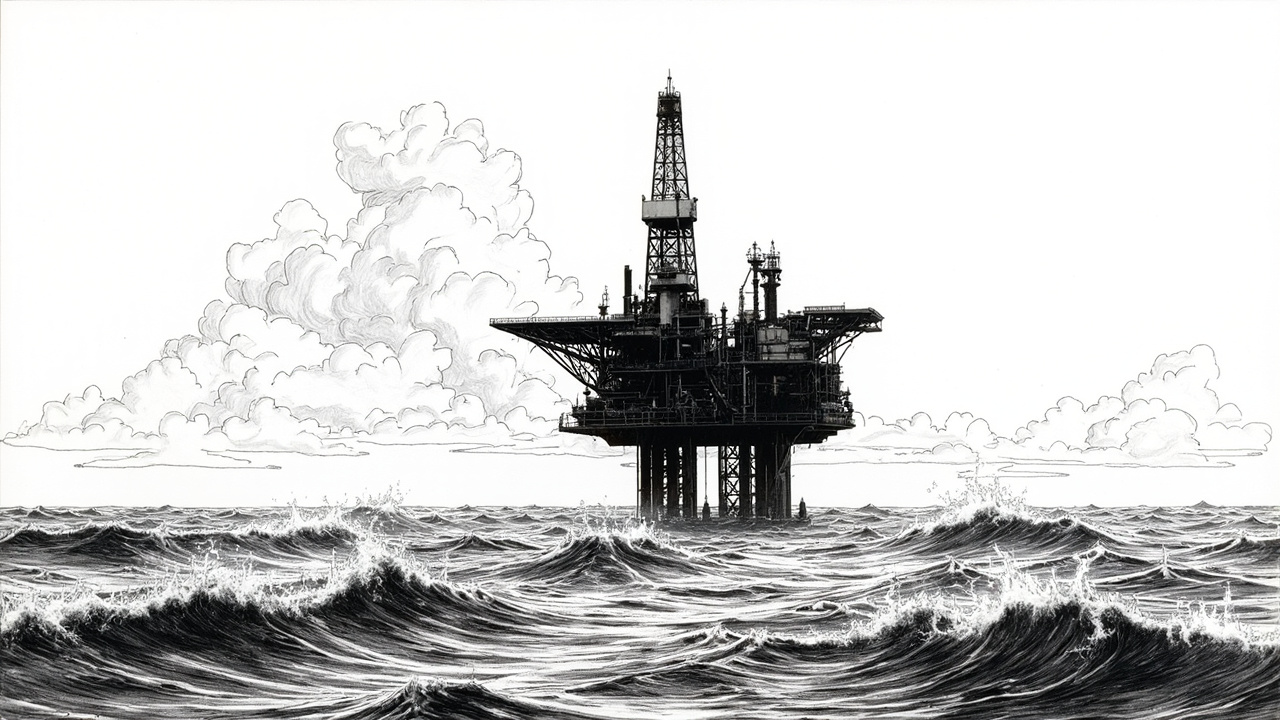
Shell Nigeria Exploration and Production Company Limited (SNEPCo) has begun a major maintenance program on its Bonga floating oil platform. The work started this week and will reduce Nigeria's daily oil production by 225,000 barrels. This represents about 10% of Nigeria's current output. The maintenance is scheduled to last 30 days. The Bonga field typically produces 200,000 barrels per day. SNEPCo operates the platform in partnership with the Nigerian National Petroleum Corporation (NNPC). The NNPC holds a 55% stake in the venture. Shell holds 30%. TotalEnergies and Eni each hold 10% and 5% respectively. The platform is located 120 kilometers off Nigeria's coast in water depths of 1,000 meters. It began production in 2005. This is its third major maintenance shutdown since 2018. The previous maintenance in 2021 lasted 45 days and cut 150,000 barrels daily. Nigeria's oil production averaged 1.45 million barrels per day in March 2024. This was down from 1.57 million barrels in February. The country's production capacity is 2.5 million barrels daily. Actual output has been constrained by theft and infrastructure issues. The Nigerian Upstream Petroleum regulatory Commission (NUPRC) reported these figures last month. The maintenance comes as global oil prices hover near $85 per barrel. Brent crude traded at $84.50 on Tuesday. This price reflects steady demand and OPEC+ production cuts. Nigeria is Africa's largest oil producer. It relies on oil for 90% of its foreign exchange earnings. The NNPC projects oil will contribute 7.5 trillion naira ($5.3 billion) to government revenue this quarter. The maintenance will directly reduce that income. Each day of lost production costs Nigeria approximately $19 million at current prices. The Central Bank of Nigeria (CBN) holds foreign reserves of $33 billion. Oil exports support the naira, which has lost 70% of its value since June 2023. The naira traded at 1,420 to the dollar on Tuesday.
Why the Maintenance Matters
This shutdown matters because it tightens global oil supply. The 225,000 barrel reduction equals 0.2% of worldwide daily consumption. The International Energy Agency (IEA) forecasts global demand at 103.2 million barrels per day in 2024. Nigeria's cut comes amid OPEC+ production restraints. The group extended voluntary cuts of 2.2 million barrels daily through June. Saudi Arabia leads these reductions with 1 million barrels. Russia cuts 471,000 barrels. Nigeria itself has an OPEC quota of 1.5 million barrels. It has struggled to meet this target since 2022. The maintenance will push actual production further below quota. This matters for Nigeria's economy. Oil funds 60% of the federal budget. Lower output means less revenue for President Bola Tinubu's administration. Tinubu took office in May 2023. He faces inflation of 33.2% as of March. The government needs oil income to fund subsidies and infrastructure. The NNPC owes $3 billion in cash calls to partners like Shell. Delayed payments could affect future investment. The maintenance also tests Nigeria's operational security. The Bonga field has avoided the militant attacks that plague onshore facilities. Offshore platforms like Bonga contribute 40% of Nigeria's output. Their protection is critical. The Nigerian Navy deployed two patrol vessels to the area last week.
What Businesses Should Watch
Businesses should watch three developments. First, monitor Nigeria's export schedules. Traders report that June loading programs for Nigerian crude are down 15%. This affects grades like Bonny Light and Forcados. Asian refiners may seek alternatives from Angola or Brazil. Angola produces 1.1 million barrels daily. Second, watch the naira's stability. Lower oil earnings could pressure the currency. The CBN has sold dollars to support the naira since March. Reserves fell by $1.2 billion in April. Businesses importing goods face higher costs if the naira weakens further. The Manufacturers Association of Nigeria reports that 65% of raw materials are imported. Third, track Shell's maintenance progress. Delays would extend production losses. SNEPCo aims to complete work by June 10. The company has contracted Saipem and Subsea 7 for technical support. These firms have worked on Bonga since 2020. Their performance will affect Nigeria's summer output. Businesses should also note regulatory actions. The NUPRC may adjust quotas for other producers. Companies like Chevron and ExxonMobil operate nearby fields. Chevron's Agbami field produces 140,000 barrels daily. Exxon's Erha field produces 90,000. The regulator could request temporary increases to offset losses. Finally, observe insurance markets. Lloyd's of London insures offshore platforms in Nigeria. Premiums rose 25% after the 2021 Bonga maintenance overrun. Current rates are $2.5 million annually per platform. Any incidents during shutdown could raise costs further.
The Broader Impact on African Markets
Nigeria's production cut affects African energy markets. Ghana produces 160,000 barrels daily. It could benefit from higher prices. Ghana's Jubilee field is run by Tullow Oil. Tullow shares rose 3% in London trading yesterday. Angola may also gain market share. Sonangol, Angola's state oil firm, plans to increase output to 1.2 million barrels by 2025. Angola recently signed deals with TotalEnergies and Azule Energy. In contrast, South Africa imports 60% of its oil. Higher prices could hurt its economy. South Africa's inflation reached 5.3% in March. The South African Reserve Bank may hold interest rates at 8.25%. East Africa faces different dynamics. Uganda expects first oil from its Tilenga project in 2025. TotalEnergies leads that $10 billion development. For now, Africa's oil balance depends on Nigeria's recovery. The continent consumes 4.5 million barrels daily. It produces 7.3 million. Nigeria's return to full output will shape regional trade. The African Continental Free Trade Area (AfCFTA) aims to boost energy integration. Nigeria's temporary shortfall tests that vision. The maintenance reminds investors of Africa's infrastructure challenges. The International Monetary Fund (IMF) estimates Africa needs $100 billion annually for energy investment. Nigeria alone requires $10 billion to maintain oil fields. Shell's Bonga work is a small part of that need. Its success will signal Nigeria's operational reliability.