Nigeria Reopens Kebbi Border to Boost Regional Trade

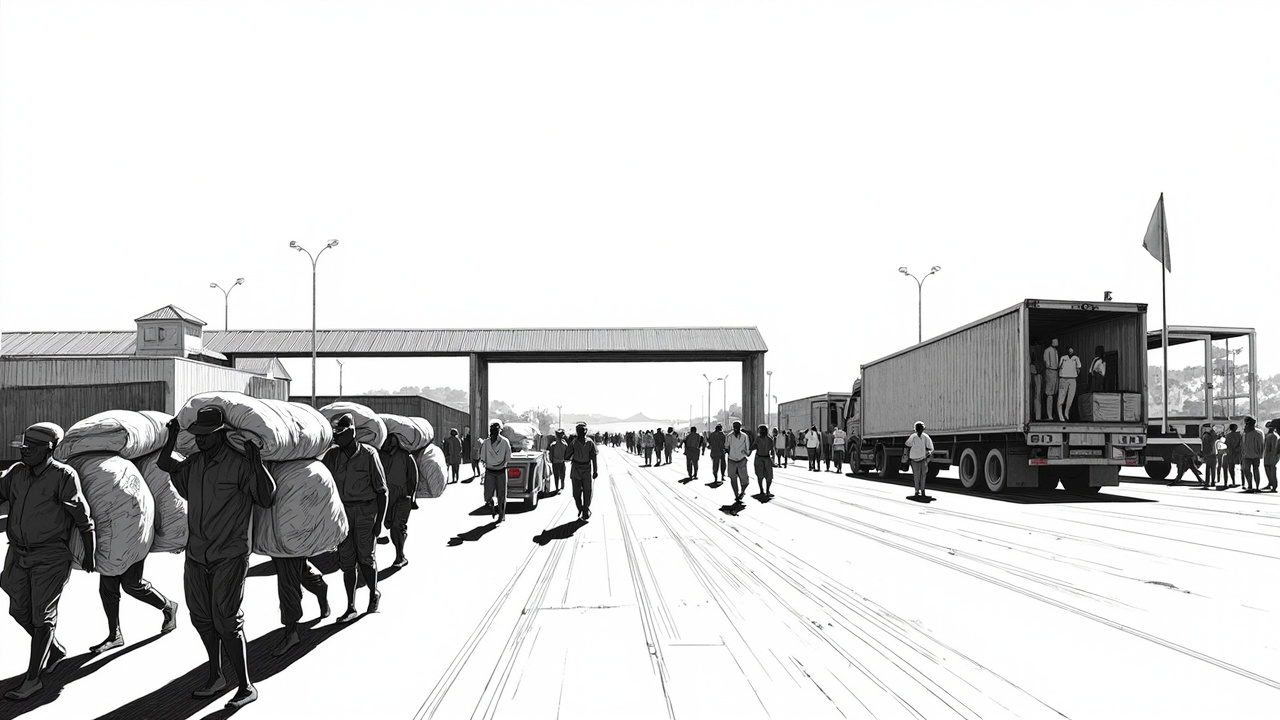
Kebbi Border Reopens for Regional Commerce
The Nigerian government has approved the reopening of the Kebbi border at Tsamiya for trans-border trade. The announcement came directly from the Comptroller-General of the Nigeria Customs Service. The border will now facilitate legitimate trade with neighboring countries. This decision reverses a closure policy implemented during previous security operations.
Why This Border Matters
The Tsamiya border in Kebbi State connects Nigeria to Niger and Benin. It serves as a critical corridor for agricultural exports and manufactured goods. Kebbi State produces substantial rice, wheat, and sesame crops. The border reopening allows farmers and traders to access regional markets more efficiently. This move supports Nigeria's broader economic diversification goals.
Economic Impact and Trade Flows
Regional trade through Kebbi could increase Nigeria's non-oil exports significantly. The border previously handled thousands of metric tons of goods monthly. Specific commodities include rice, grains, textiles, and construction materials. The Nigeria Customs Service will implement enhanced monitoring systems. These systems aim to prevent smuggling while encouraging formal trade.
Government Requirements and Procedures
Traders must comply with Nigeria Customs Service regulations. Required documents include the Single Goods Declaration Form and certificates of origin. The Nigerian Export Promotion Council assists exporters with documentation. The Central Bank of Nigeria mandates Form NXP for all export transactions. These procedures ensure transparency and revenue collection.
Security and Infrastructure Upgrades
The Nigeria Customs Service collaborates with the Nigerian Immigration Service on border security. Joint patrols will monitor the Tsamiya crossing point. The government has allocated funds for border infrastructure improvements. These upgrades include scanning machines and expanded parking areas. The goal is to reduce congestion and processing times.
Why It Matters
This border reopening matters for three key reasons. First, it boosts Nigeria's non-oil export revenue. The Nigerian Bureau of Statistics reports non-oil exports reached $4.8 billion in 2023. Second, it strengthens regional economic integration under the African Continental Free Trade Area. Third, it provides immediate relief to local businesses in Kebbi and surrounding states.
What Businesses Should Watch
Businesses should monitor several developments. Watch for new trade agreements with Niger and Benin. Observe customs duty adjustments under ECOWAS protocols. Track infrastructure improvements at the border crossing. Note any changes to export documentation requirements. Follow announcements from the Nigerian Export Promotion Council about support programs.
Regional Trade Context
Nigeria's trade with Niger and Benin represents a substantial portion of regional commerce. The National Bureau of Statistics recorded $1.2 billion in formal trade with these neighbors in 2023. Informal trade likely doubles this figure. The border reopening formalizes previously restricted flows. This benefits legitimate businesses and increases government revenue.
Agricultural Sector Implications
Kebbi State's agricultural producers gain direct access to regional markets. The state produces over 2 million metric tons of rice annually. It also contributes significantly to Nigeria's wheat and sesame production. The border reopening enables exporters to reach markets in Niger, Mali, and Burkina Faso. This reduces dependence on domestic consumption alone.
Logistics and Transportation Considerations
Transport companies must prepare for increased cross-border traffic. The Nigerian Shippers' Council coordinates with haulage associations. Road networks from Kebbi to border points require maintenance. The Federal Ministry of Works oversees relevant highway projects. Efficient logistics will determine trade success.
Future Expansion Possibilities
The Nigeria Customs Service may consider additional border reopenings. Success at Tsamiya could inform decisions about other crossings. The government monitors security and economic indicators closely. Businesses should advocate for streamlined procedures. Regional trade growth depends on consistent policy implementation.