Nigeria's LNG Boom Faces Financial Infrastructure Bottlenecks

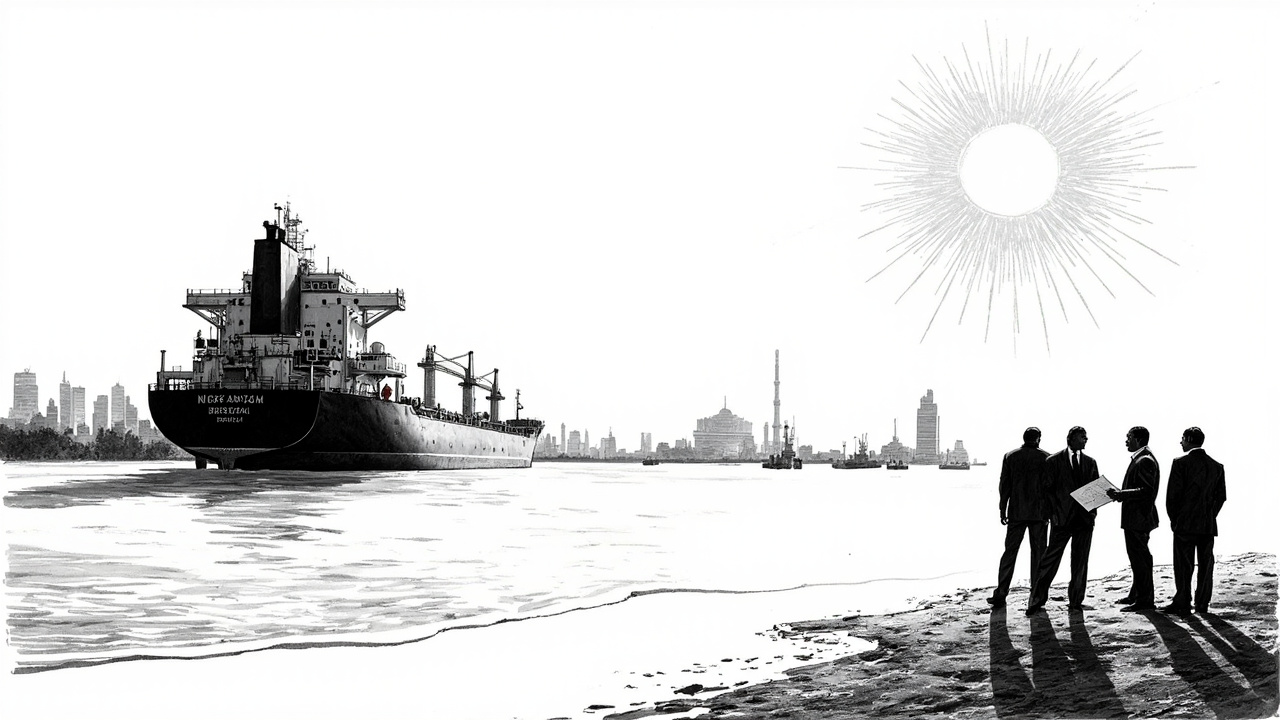
Nigeria's LNG exports hit record levels in December 2025 at 2.1 billion cubic meters, driven by expanded capacity and improved gas supply through the OB3 pipeline. Yet this operational success masks underlying challenges in financial infrastructure that could constrain future growth.
Payment Systems Struggle With Scale
Nigeria's Gas Master Plan 2026 targets 10 billion cubic feet per day production by 2027, requiring over $60 billion in investments by 2030. This massive capital influx will test the country's cross-border payment capabilities.
Current banking infrastructure shows strain when processing large-scale energy transactions. International gas buyers require real-time settlement systems for long-term supply contracts. Nigeria's fragmented banking sector lacks the integrated platforms that competitors like Senegal and Mauritania deploy for their emerging LNG projects.
NLNG Train 7 expansion from 22 to 30 million tonnes per annum demonstrates Nigeria's operational capacity. However, payment reconciliation between gas producers, pipeline operators, and international buyers remains complex and opaque.
Investment Flow Challenges
The Nigerian Upstream Petroleum regulatory Commission tracks export volumes but payment settlement systems lag behind operational capabilities. This creates potential delays in revenue distribution across the value chain.
International energy companies evaluating Nigerian LNG investments cite payment infrastructure as a key risk factor. Complex multi-party transactions require sophisticated settlement systems that can handle billions in cross-border flows.
NLNG has publicly requested stable government policies to attract investment. This includes modernizing financial infrastructure to match the scale of planned LNG expansion.
Infrastructure Reality Check
Nigeria reduced gas flaring below 12% and resolved previous pipeline constraints. These operational improvements position the country for LNG growth through 2030.
Yet financial infrastructure development has not kept pace. Legacy banking systems designed for smaller transaction volumes may struggle with projected investment flows.
The gap between operational capability and financial infrastructure could slow Nigeria's path to capturing 8% of global LNG market share. Addressing these bottlenecks will determine whether ambitious expansion targets translate into sustained growth.