Nigeria's Financial Inclusion Gap Persists Despite CBN Progress

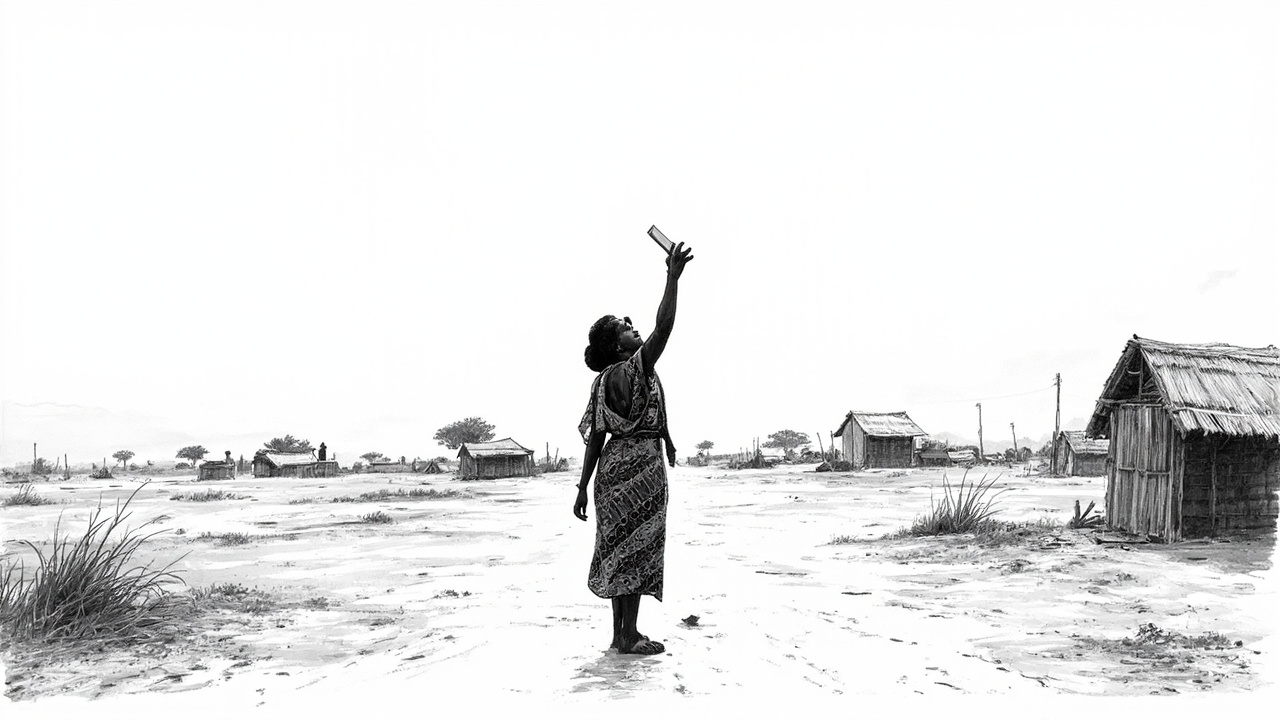
The Central Bank of Nigeria reported that 74% of Nigerians had access to formal financial services by June 2025. This figure falls short of the bank's 95% target for 2024. The data comes from the CBN's latest Financial Stability Report. The report highlights ongoing challenges in reaching rural populations and informal sector workers.
The Current Landscape of Financial Access
Nigeria's financial inclusion rate increased from 64% in 2020 to 74% in mid-2025. The CBN launched its National Financial Inclusion Strategy in 2012. The strategy aimed for 80% inclusion by 2020 and 95% by 2024. Mobile money adoption has been a key driver of recent growth. Services like Paga and MTN's MoMo reached 15 million new users in 2024. Yet 52 million adults remain excluded from formal banking. Most live in northern states and rural areas.
Key Barriers to Broader Inclusion
Infrastructure gaps present major obstacles. Only 45% of Nigeria's rural communities have reliable internet access. The Nigerian Communications Commission reported this statistic in 2024. Electricity shortages affect 60% of rural financial service points. Agent banking networks face security challenges in conflict-affected regions. Financial literacy remains low. A 2024 EFInA survey found 40% of adults lack basic financial knowledge. High transaction costs deter usage. Some mobile money transfers cost up to 3% of the transaction value.
Regulatory and Policy Responses
The CBN has implemented several initiatives to address these gaps. The Shared Agent Network Expansion Facility disbursed ₦120 billion ($85 million) to 200,000 agents. The Nigerian Inter-Bank Settlement System processed 3.5 billion digital transactions in 2024. Regulatory sandboxes allowed testing of new fintech products. The CBN approved 15 new payment service banks in 2024. These banks can accept deposits and facilitate transfers without full banking licenses. The Bank Verification Number system now covers 95% of bank account holders.
Why It Matters
Financial exclusion limits economic growth. The World Bank estimates Nigeria loses 2% of GDP annually from this gap. Small businesses struggle without access to credit. Only 15% of Nigerian SMEs have formal loans. Individuals face higher risks without insurance or savings. Women are disproportionately affected. The gender gap in account ownership stands at 18 percentage points. Financial inclusion supports poverty reduction. Each 10% increase in inclusion correlates with a 0.5% drop in poverty rates.
What Businesses Should Watch
Companies should monitor three key developments. First, watch for new CBN regulations on digital identity. The planned National Identity Number integration could streamline account opening. Second, track expansion of agent banking networks. Companies like OPay and TeamApt plan to add 100,000 agents each in 2025. Third, observe rural infrastructure projects. The Rural Electrification Agency aims to power 5 million homes by 2026. Businesses should also prepare for increased digital payment adoption. E-commerce platforms like Jumia reported 40% growth in digital transactions in 2024.
The Path Forward
Achieving 95% inclusion requires coordinated action. The CBN must partner with state governments on last-mile delivery. State-level financial inclusion committees exist in only 12 of 36 states. Private sector innovation will be crucial. Fintechs like Paystack and Flutterwave reduced payment processing costs by 30% in 2024. Infrastructure investments must accelerate. The Federal Ministry of Communications plans to deploy 5,000 new telecom towers in 2025. Financial education programs need scaling. The CBN's Financial Literacy Day reached 2 million Nigerians in 2024. Success depends on sustained effort across all these fronts.