Nigeria Ends Tax Credit Road Funding, Demands Budget Approval

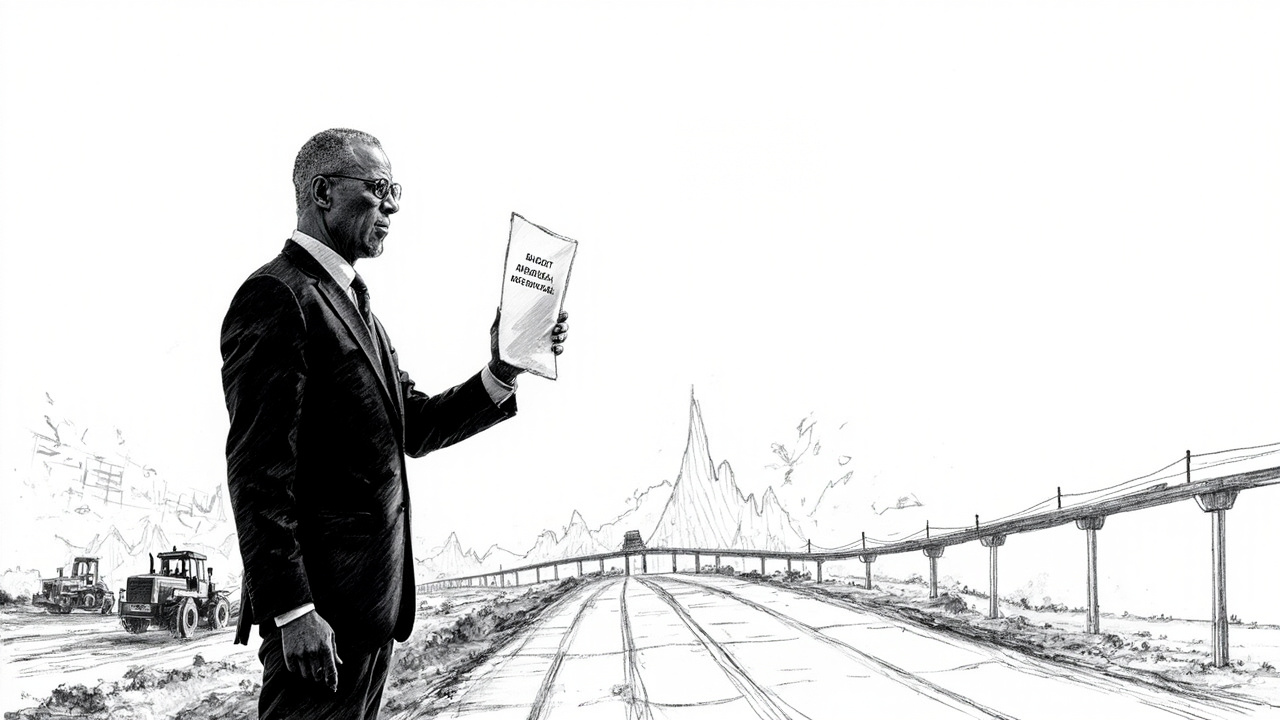
Federal Government Halts Tax credit Road Program
The Nigerian Federal Government has discontinued its corporate tax credit scheme for road construction. This policy shift occurred in late 2023. The government now requires all infrastructure projects to follow standard appropriation processes through the National Assembly. This decision directly affects major road projects across Nigeria's six geopolitical zones.
How the Tax Credit Program Worked
The Road Infrastructure Development and Refurbishment Investment Tax Credit Scheme launched in 2019. It allowed companies to fund approved road projects in exchange for tax credits. These credits offset future Company Income Tax obligations. The Federal Ministry of Works and Housing managed the program with approval from the Federal Inland Revenue Service. Companies like Dangote Group and MTN Nigeria participated actively. They committed billions of naira to road construction and rehabilitation.
Why the Government Changed Course
Government officials cite several reasons for ending the tax credit approach. First, they want tighter control over infrastructure spending. Second, they seek greater transparency in project funding. Third, they aim to standardize all government expenditure through the annual budget. The 2024 Appropriation Act now serves as the sole framework for infrastructure financing. This move aligns with broader public financial management reforms. The Office of the Accountant-General of the Federation will oversee compliance.
Immediate Impact on Major Projects
Several high-profile road projects face uncertainty. The 43km Obajana-Kabba Road in Kogi State was partially funded through tax credits. The 22km Bodo-Bonny Road in Rivers State received similar financing. The 110km Abuja-Kaduna-Zaria-Kano Road expansion also utilized this mechanism. These projects must now secure funding through the 2024 budget or face delays. The Federal Ministry of Finance will review all existing tax credit commitments. Companies may need to renegotiate their participation terms.
Why It Matters
This policy change signals a major shift in Nigeria's infrastructure financing. The tax credit program attracted over ₦2.3 trillion ($1.5 billion) in private investment since 2019. It covered approximately 1,500km of road projects nationwide. Now, all funding must flow through government channels. This could slow project implementation initially. However, it may improve accountability in the long term. The change affects Nigeria's ability to address its massive infrastructure deficit. The country needs an estimated $3 trillion over 30 years for infrastructure development.
What Businesses Should Watch
Companies should monitor several key developments. First, watch for new guidelines from the Federal Ministry of Works and Housing. Second, track budget allocations for specific road projects in the 2024 appropriation. Third, observe how the government handles existing tax credit agreements. Fourth, note any changes to public-private partnership frameworks. Fifth, watch for alternative financing models that might emerge. Businesses should also prepare for potential delays in road projects affecting their operations.
Market Reactions and Economic Implications
The policy change has mixed implications for Nigeria's economy. On one hand, it may reduce private sector participation in infrastructure. On the other hand, it could strengthen fiscal discipline. Construction companies like Julius Berger and Reynolds Construction Company may see altered project timelines. Materials suppliers like Lafarge Africa and Dangote Cement could experience demand fluctuations. The transportation sector faces potential disruption if key roads experience delays. Nigeria's road network carries over 90% of domestic goods and passengers.
Government's Next Steps
The Federal Government plans to complete all ongoing tax credit projects. However, new projects must secure legislative approval. The Ministry of Budget and National Planning will incorporate infrastructure needs into future budgets. The Debt Management Office may explore alternative financing options. These could include infrastructure bonds or multilateral loans. The government aims to maintain its road construction pace despite the policy shift. Nigeria's road density remains low at 0.21km per square kilometer, below the African average of 0.24km.
Looking Ahead
Nigeria's infrastructure financing landscape is evolving. The end of tax credits marks a return to traditional budgeting. This approach offers more legislative oversight but less private sector flexibility. The government must balance these trade-offs carefully. Successful implementation requires efficient budget execution and timely project delivery. Nigeria's economic growth depends heavily on infrastructure improvement. The World Bank estimates that poor infrastructure reduces Nigeria's GDP growth by 2-4% annually. The coming months will reveal how this policy change affects actual road construction progress across the country.