Nigeria Markets Face Chemical Import Scandal as El-Rufai Challenges

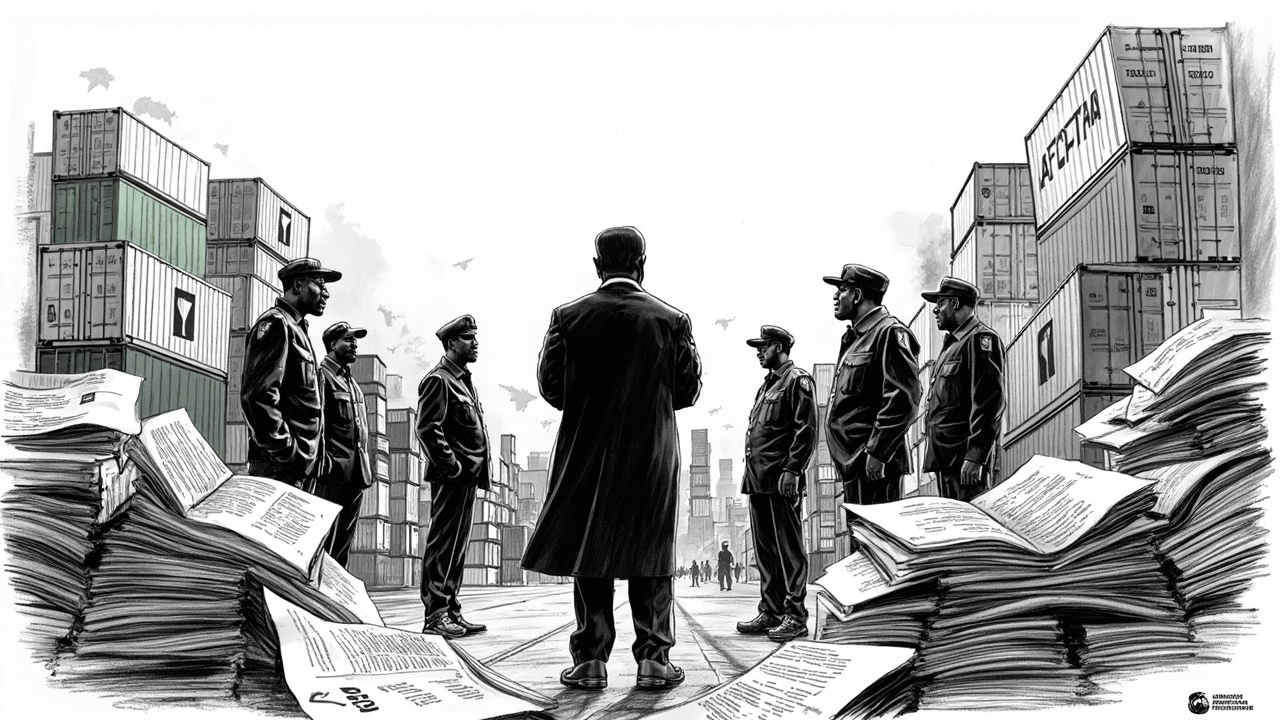
Former Kaduna governor Nasir El-Rufai's formal challenge to National Security Adviser Ribadu over alleged poison imports from Poland exposes critical gaps in Nigeria markets' regulatory oversight. This suggests a breakdown in coordination between security agencies and chemical import regulators that could undermine investor confidence in Nigeria's compliance frameworks.
Regulatory Framework Under Stress
NAFDAC requires Chemical Import Permits for industrial and laboratory chemicals, with applications undergoing physical and laboratory analysis taking four to eight weeks. NESREA also regulates chemical imports under National Environmental Regulations, recently updated in 2025 to align with international environmental commitments. The risk is that high-profile disputes between former governors and current security officials signal institutional fragmentation. If NAFDAC and NESREA protocols were bypassed for alleged poison imports, this reveals enforcement gaps that extend beyond chemicals to broader trade compliance. NAFDAC officials routinely inspect imported chemicals at ports and can seize contaminated products, but El-Rufai's public challenge suggests these safeguards may have failed or been circumvented.
AfCFTA Implementation Concerns
This incident highlights broader regional integration challenges across Africa's chemical trade corridors. Nigeria's 2025 regulatory updates aimed to modernize circular economy principles, but political disputes over import oversight suggest implementation remains fragmented. The expectation was that harmonized standards would streamline cross-border chemical trade under AfCFTA protocols. Instead, high-profile allegations of poison imports from European suppliers indicate that even basic safety protocols lack institutional consensus. This suggests African markets still operate with significant regulatory arbitrage opportunities that sophisticated bad actors can exploit.
Investors should expect prolonged institutional uncertainty around Nigeria's chemical import regime. The El-Rufai challenge signals deeper governance fractures that could spread beyond chemicals to other regulated sectors.