Dangote Refinery Faces RFCC Unit Bottleneck Through Mid-2026

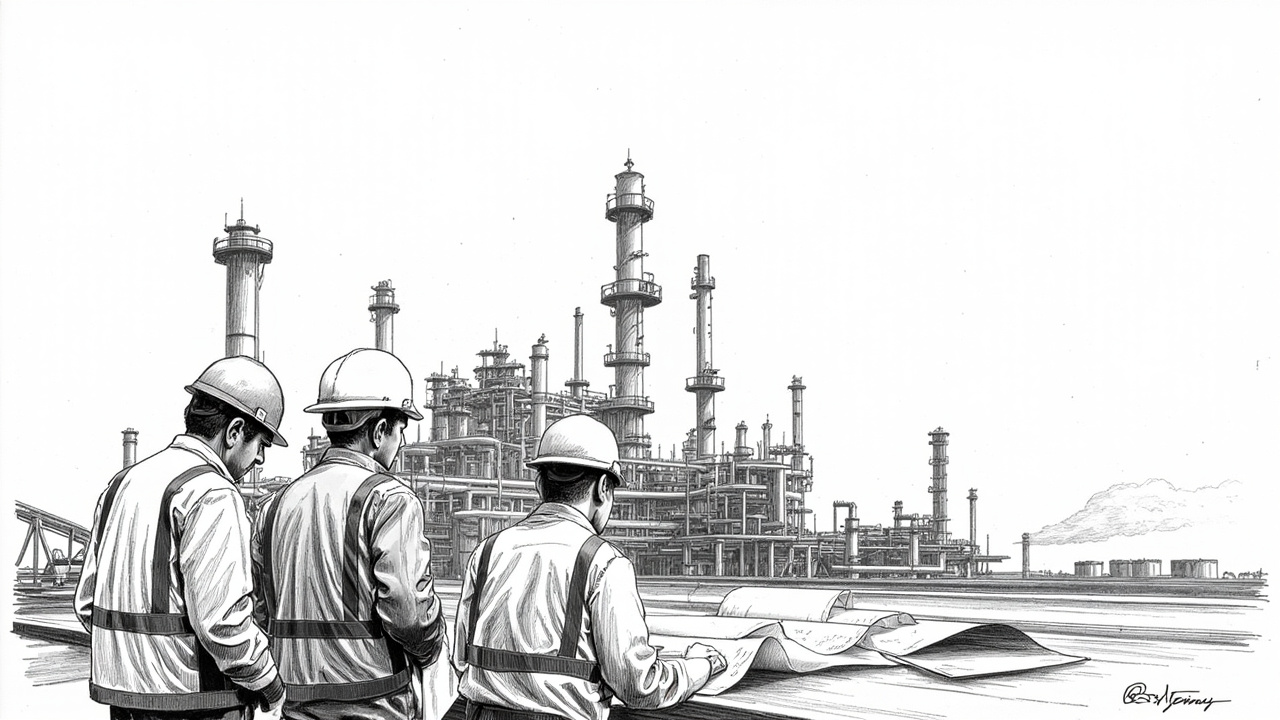
Technical Challenges Constrain Africa's Largest Refinery
Persistent technical issues with the Residual Fluid Catalytic Cracking unit at Dangote Refinery could limit crude processing and gasoline production through June 2026. The RFCC unit converts heavy refinery residues into higher-value products like gasoline. This bottleneck emerges as Nigeria seeks to end decades of fuel imports.
Dangote Industries commissioned the 650,000 barrel-per-day refinery in Lagos in 2023. The facility represents a $19 billion investment in Nigeria's downstream petroleum sector. The Nigerian National Petroleum Corporation Limited holds a 20% stake in the project. The refinery requires multiple permits from the Department of Petroleum Resources and the Nigerian Midstream and Downstream Petroleum Regulatory Authority.
Why the RFCC Unit Matters for Fuel Production
The RFCC unit processes residual oil from atmospheric and vacuum distillation units. This conversion is essential for maximizing gasoline yield from each barrel of crude. Without full RFCC operation, the refinery cannot achieve its designed gasoline production capacity of 53 million liters per day.
Technical teams have worked on the unit since commissioning. The challenges involve catalyst circulation systems and reactor-regenerator configurations. These systems require precise temperature and pressure controls. Specialized engineering firms typically handle such complex troubleshooting.
Economic Impact on Nigeria's Fuel Market
Nigeria imported 33.6 million liters of gasoline daily in 2023 according to NNPC data. The country spent ₦4.39 trillion on petroleum imports in 2022. Dangote Refinery was expected to eliminate these imports by 2025. The RFCC bottleneck could delay this transition by 12-18 months.
The Nigerian government budgeted ₦5.4 trillion for fuel subsidies in 2023. Complete refinery operation would eliminate this expenditure. Each month of delayed full production costs Nigeria approximately ₦450 billion in potential savings.
Regional Fuel Supply Implications
Dangote Refinery planned to export 40% of its production to West African markets. Ghana imported 1.2 million metric tons of refined products in 2023. Benin and Togo together imported 850,000 metric tons. These countries anticipated increased supply from Nigeria's new refinery.
The African Continental Free Trade Area implementation began in 2021. It aims to boost intra-African trade in petroleum products. Dangote Refinery was positioned as a key supplier under this framework. The RFCC issues could slow regional fuel market integration.
Why It Matters
This technical bottleneck affects multiple stakeholders. Nigerian consumers face continued exposure to global fuel price volatility. The government loses potential fiscal savings from eliminated subsidies. Regional trading partners must maintain alternative supply arrangements. Investors in Dangote Industries monitor the $19 billion asset's performance.
The refinery's success is crucial for Nigeria's economic stability. Fuel imports consumed 30% of Nigeria's foreign exchange in 2022. Domestic production would conserve these reserves. The Central Bank of Nigeria reported $3.1 billion in petroleum product imports for the first half of 2023.
What Businesses Should Watch
Monitor Dangote Industries' technical updates on the RFCC unit. The company may issue progress reports through the Nigerian Exchange Limited. Watch for changes in Nigeria's fuel import patterns. The Nigerian Midstream and Downstream Petroleum Regulatory Authority publishes monthly import data.
Track gasoline pricing in Nigerian markets. The Petroleum Products Pricing Regulatory Agency sets price bands. Observe regional fuel supply arrangements. Ghana National Petroleum Corporation and Société Nationale de Commercialisation des Produits Pétroliers in Côte d'Ivoire may adjust their import strategies.
Follow regulatory developments. The Department of Petroleum Resources oversees refinery operations. The Federal Ministry of Petroleum Resources sets broader policy. These agencies may adjust timelines for fuel import phase-out.
Industry Context and Comparable Projects
Other African refineries have faced similar technical challenges. Egypt's Mostorod refinery required 18 months to achieve design capacity after its 2021 expansion. South Africa's Sapref refinery took two years to resolve catalytic cracking issues in the 1990s.
International engineering firms specialize in RFCC troubleshooting. UOP, a Honeywell company, provides catalytic cracking technology globally. Technip Energies has completed multiple RFCC projects in the Middle East. These firms typically charge $50-100 million for major unit overhauls.
The Dangote project compares to other large-scale industrial developments. Nigeria's LNG Train 7 expansion represents a $10 billion investment. Kenya's Lamu coal plant faced technical delays before cancellation. Large infrastructure projects often encounter operational challenges during commissioning.
Looking Ahead to 2026
Dangote Refinery's technical team continues working on the RFCC unit. The company has not specified a revised timeline for full capacity operation. Industry experts suggest mid-2026 as a realistic target for resolving complex catalytic cracking issues.
Nigeria's fuel market will evolve during this period. The government may adjust its subsidy phase-out schedule. Regional fuel traders will develop contingency supply plans. The Nigerian economy will continue bearing the cost of fuel imports until domestic production reaches full capacity.
The refinery's eventual success remains crucial for West Africa's energy security. Complete operation would transform Nigeria from fuel importer to regional exporter. This shift would strengthen the naira and reduce fiscal pressure on the federal government. The RFCC bottleneck represents a temporary delay in this strategic transition.