Mombasa Port Moves Long-Stay Cargo to Ease Congestion

Kenya Revenue Authority Orders Cargo Transfer
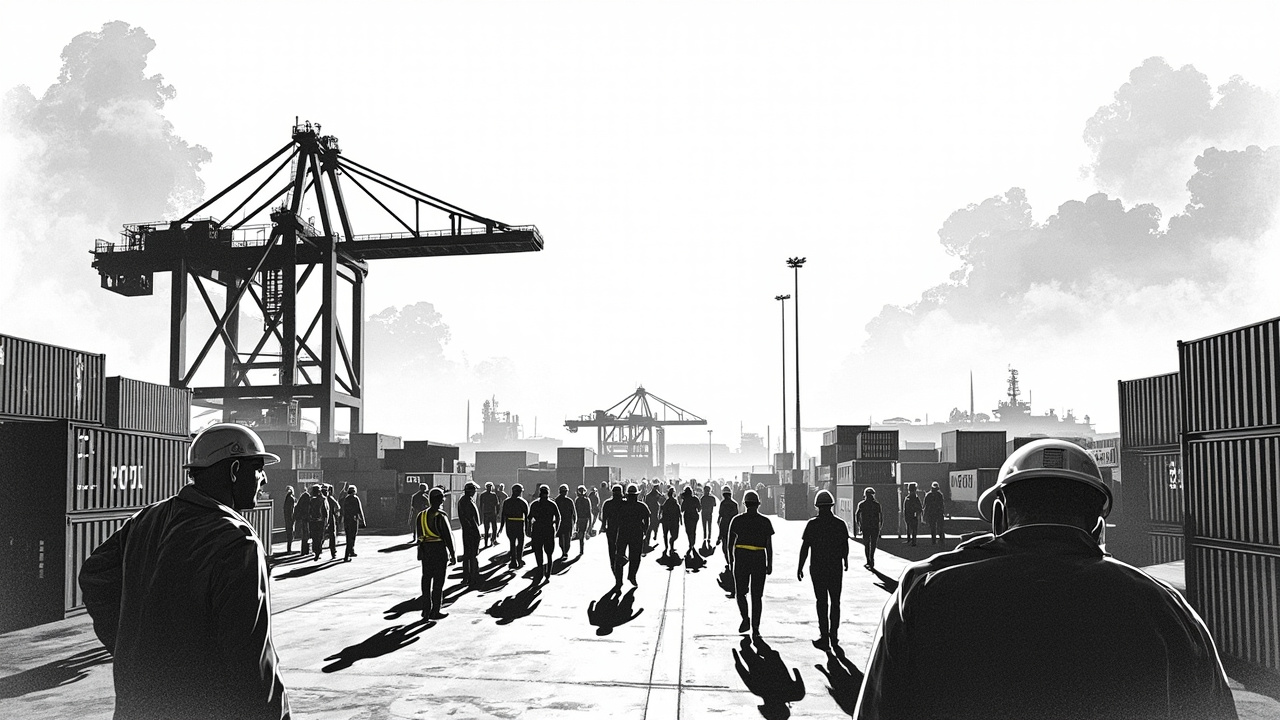
The Kenya Revenue Authority (KRA) has directed the transfer of long-stay cargo from Mombasa Port. This cargo has remained at the port for over 21 days. Some items are also earmarked for auction or destruction. The KRA will move these containers to designated container freight stations (CFSs). This action aims to reduce congestion at East Africa's busiest port. The directive took effect immediately this week.
Why the Port Faces Congestion
Mombasa Port handles about 1.4 million twenty-foot equivalent units (TEUs) annually. This volume has grown by 8% over the past three years. The port serves landlocked neighbors like Uganda, Rwanda, and South Sudan. Delays often occur when importers fail to clear goods quickly. Some cargo owners abandon shipments due to high storage fees or documentation issues. The KRA reports that over 3,000 containers typically exceed the 21-day free storage period each quarter. These containers occupy valuable yard space and slow operations.
The Transfer Process and Logistics
The KRA will identify cargo eligible for transfer. This includes all containers that have stayed beyond 21 days without clearance. It also covers goods marked for auction by the authority. The agency will move these containers to private container freight stations near the port. Companies like Mitchell Cotts, Autoport Freight Terminal, and Grain Bulk Handlers operate these CFSs. The transfer will use existing port equipment and logistics providers. The KRA will bear the initial transfer costs, estimated at 5 million Kenyan shillings (about $38,000 USD). Importers must then pay storage fees at the CFSs to retrieve their goods.
Why It Matters
This move directly impacts shipping costs and efficiency at Mombasa Port. Congestion has increased demurrage charges for shipping lines by 15% in the past year. Delays also raise costs for importers across East Africa. Clearing the port yard will free up space for new shipments. This should reduce vessel waiting times, which averaged 2.3 days in 2023. Faster turnaround could lower logistics expenses for businesses in Kenya and neighboring countries. The action also signals the KRA's stricter enforcement of storage rules. It may pressure importers to clear goods promptly to avoid extra fees.
What Businesses Should Watch
Importers using Mombasa Port must monitor their cargo clearance timelines closely. Goods staying over 21 days now face immediate transfer to CFSs. Businesses should expect higher storage costs if delays occur. The KRA may auction unclaimed cargo after 90 days, per existing regulations. Shipping companies like Maersk and CMA CGM could benefit from reduced port congestion. Their vessels may experience shorter berthing times. Logistics firms operating CFSs might see increased business from stored containers. Companies should also watch for potential adjustments in port fees or policies following this clearance effort.
Broader Context for East African Trade
Mombasa Port is a critical gateway for regional trade. It handles approximately 30% of Uganda's imports and 70% of Rwanda's maritime cargo. The port's efficiency affects supply chains across the interior. Kenya's government has invested in port upgrades, including a new container terminal. The ongoing congestion has prompted calls for better coordination among agencies. The Kenya Ports Authority (KPA) works with the KRA on clearance processes. This cargo transfer initiative aligns with broader efforts to improve port performance. Success could support trade growth in the East African Community bloc.
Next Steps and Potential Outcomes
The KRA will continue identifying and moving eligible cargo over the coming weeks. The agency expects to clear several hundred containers initially. This should create visible space in the port yard within a month. The KRA may extend the transfer program if congestion persists. Importers must engage with the authority to reclaim transferred goods. They will need to settle any outstanding taxes and storage dues. The KRA could auction unclaimed items after the mandated period. This process may recover some revenue for the government. Overall, the move aims to streamline operations and support Mombasa's role as a regional trade hub.