Kenya's Electric Vehicle Fleet Surpasses 24,750 Milestone

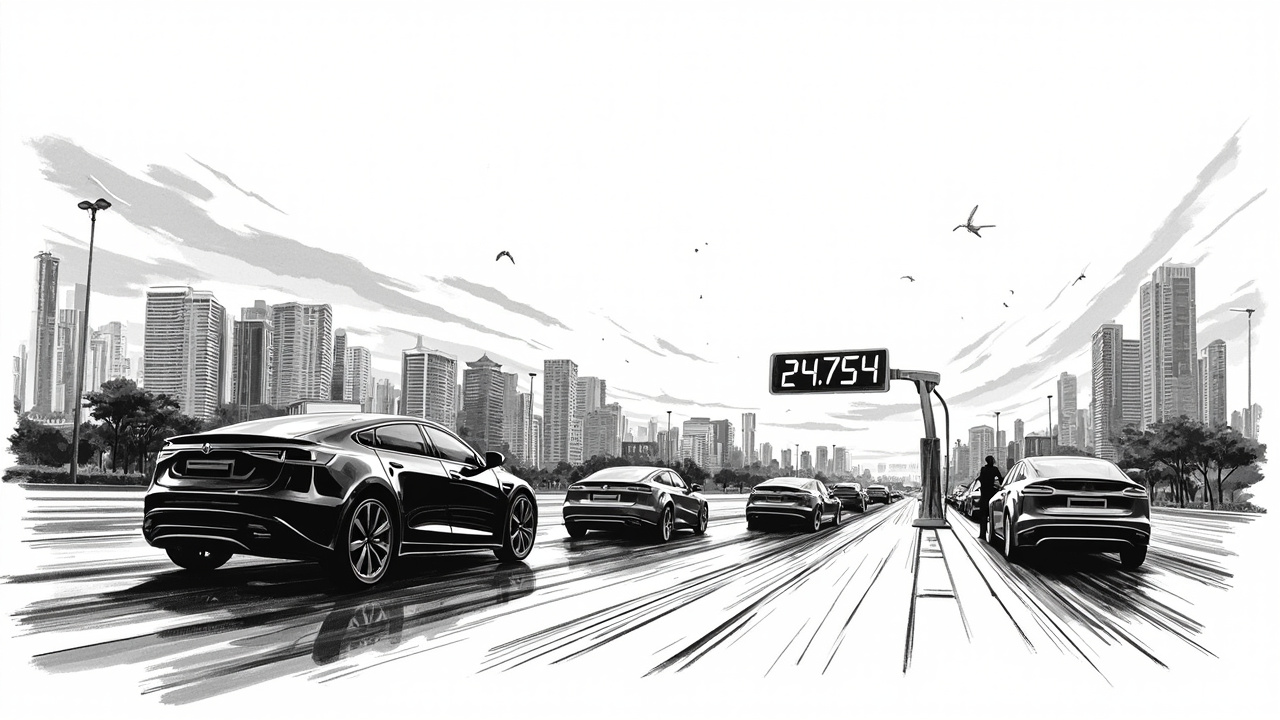
Kenya's Electric Vehicle Registration Hits 24,754
Kenya's Ministry of Roads and Transport confirmed 24,754 registered electric vehicles on the nation's roads this week. The milestone marks a 47% increase from the 16,800 EVs recorded just 18 months ago. Mohamed Daghar, principal secretary in the ministry, said Kenya prioritizes electric mobility to reduce greenhouse gas emissions. He explained that EVs accelerate decarbonization of the transport sector.
Why It Matters
Kenya's EV growth signals a major shift in East Africa's largest economy. The transport sector contributes 13% of Kenya's total greenhouse gas emissions according to 2022 National Environment Management Authority data. Electric vehicles offer a direct path to cut these emissions. Kenya aims to reduce emissions by 32% by 2030 under its National Climate Change Action Plan. The EV fleet expansion supports this target. The government exempts EVs from import duty and value-added tax. This policy reduces EV costs by approximately 25% compared to conventional vehicles.
Infrastructure Expansion Accelerates
Kenya Power, the national electricity provider, installed 135 public charging stations across 15 counties. The company plans 50 more stations by December. Nairobi leads with 42 charging points, followed by Mombasa with 18 and Kisumu with 12. Charging costs average KES 45 (USD 0.35) per kilowatt-hour. This makes EV fueling about 60% cheaper than petrol for equivalent distance. The Energy and Petroleum Regulatory Authority approved standardized charging tariffs in March. This provides pricing certainty for EV owners and charging operators.
Business Adoption Drives Growth
Corporate fleets account for approximately 68% of Kenya's registered EVs. Safaricom operates 120 electric vehicles for its service and delivery teams. The telecommunications giant plans to convert 30% of its 2,000-vehicle fleet by 2025. Kenya Breweries uses 45 electric trucks for Nairobi distribution. The company reports 40% lower maintenance costs compared to diesel vehicles. Roam Electric manufactures electric buses and motorcycles locally. The company sold 85 electric buses to public transport operators since January. These buses reduce operating costs by KES 8 million (USD 62,000) annually per vehicle.
Government Initiatives Support Transition
The National Transport and Safety Authority streamlined EV registration in 2023. EV owners complete registration in three days instead of the previous seven. The Kenya Revenue Authority processes import clearances for EVs within 48 hours. The Ministry of Energy allocated KES 1.2 billion (USD 9.3 million) for charging infrastructure in the 2024/2025 budget. The Nairobi County Government exempts EVs from parking fees in the central business district. This saves commercial operators approximately KES 3,000 (USD 23) daily per vehicle.
What Businesses Should Watch
Watch for the draft National Electric Mobility Policy expected in October. The policy will set EV adoption targets for public transport and government fleets. Monitor Kenya Power's grid upgrade plans. The utility will invest KES 18 billion (USD 140 million) in distribution network improvements by 2026. This will support increased electricity demand from EVs. Track manufacturing investments. Associated Vehicle Assemblers plans to begin local EV assembly in 2025. The facility could produce 5,000 electric vehicles annually. Follow financing developments. NCBA Bank launched Kenya's first dedicated EV financing product in February. The bank offers loans with 2% lower interest rates than conventional vehicle loans.
Challenges Remain
Range anxiety persists despite charging infrastructure growth. Most charging stations concentrate in urban centers. Rural areas have limited coverage. Electricity reliability concerns some potential buyers. Kenya experienced 12 major power outages in 2023 according to Kenya Power reports. High upfront costs deter individual buyers. An electric sedan costs approximately KES 4.5 million (USD 35,000) before incentives. A comparable petrol model costs KES 3.2 million (USD 25,000). The used EV market remains underdeveloped. Only 12% of registered EVs are pre-owned vehicles.
Regional Context
Kenya leads East Africa in EV adoption. Uganda has 3,200 registered electric vehicles. Tanzania reports 1,850. Rwanda counts 1,200. Kenya's advantage stems from earlier policy support and larger manufacturing base. The East African Community plans harmonized EV standards by 2025. This will facilitate cross-border trade of electric vehicles and components. The African Development Bank approved USD 150 million for regional EV infrastructure in June. Kenya will receive 40% of these funds for charging network expansion.
Future Outlook
The Ministry of Roads and Transport projects 50,000 registered EVs by 2026. This represents a doubling from current levels in under three years. The government will require all new public service vehicles to be electric starting January 2025. This mandate covers approximately 3,000 vehicles annually. Kenya aims for 5% of all registered vehicles to be electric by 2030. The current figure stands at 0.8%. Achieving this target requires sustained policy support and infrastructure investment. The EV transition creates business opportunities in charging services, maintenance, and local manufacturing.