Kenya's Central Bank Cuts Rate to 8.75% to Spur Business Lending

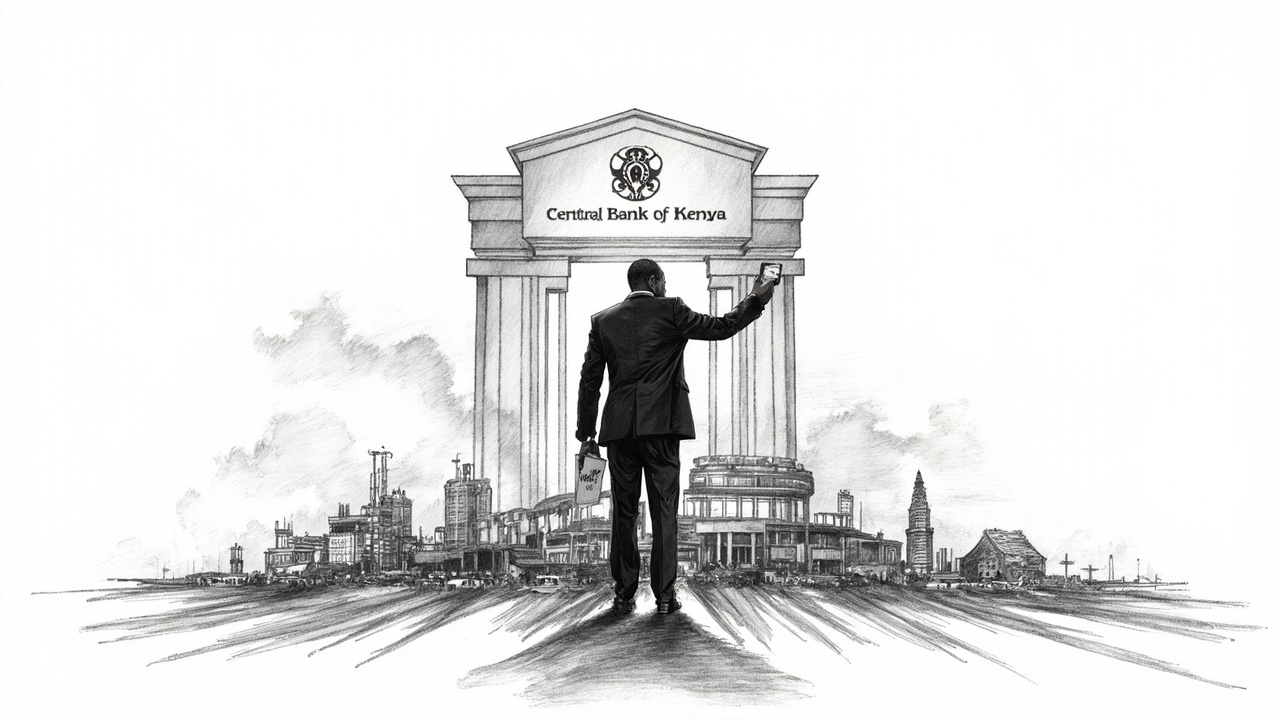
CBK Lowers Rate to 8.75% in Surprise Move
Kenya's Central Bank cut its benchmark interest rate to 8.75% on Tuesday. The Monetary Policy Committee made this decision after its regular meeting. This marks the first rate cut in over two years. The previous rate stood at 9.5%. The committee cited stable inflation and steady economic growth as key factors. Foreign exchange market stability also supported the move.
Why the Rate Cut Matters
This rate reduction directly targets private sector lending. Lower borrowing costs should encourage banks to extend more credit to businesses. Many Kenyan companies have struggled with high financing costs. The manufacturing sector faces particular challenges. Access to affordable capital could boost investment and expansion plans. The Central Bank aims to stimulate economic activity through this policy shift.
Economic Context Behind the Decision
Kenya's inflation rate has remained within the government's target range. The Central Bank targets inflation between 2.5% and 7.5%. Recent data shows inflation around 5.7%. Economic growth projections remain positive for 2024. The Kenya National Bureau of Statistics reports GDP growth of 5.6% in the last quarter. Foreign exchange reserves stand at adequate levels. The shilling has shown relative stability against major currencies.
Impact on Banking Sector
Commercial banks must now adjust their lending rates. The Central Bank Rate serves as the benchmark for commercial lending. Banks typically add a margin of 3-5 percentage points above this rate. Lower borrowing costs should increase loan demand. Equity Bank, KCB Group, and Co-operative Bank dominate Kenya's banking sector. These institutions control over 50% of total banking assets. Their response will determine the policy's effectiveness.
Business Sector Implications
Manufacturing companies stand to benefit significantly. The Kenya Association of Manufacturers reports that 68% of members cite high borrowing costs as a major constraint. Companies like Bidco Africa and Sameer Africa could expand production with cheaper credit. Agricultural businesses also face financing challenges. Lower rates might improve access to seasonal loans for tea and coffee producers.
Small and medium enterprises represent 98% of Kenyan businesses. They contribute about 40% to GDP. Most SMEs struggle to secure affordable financing. The rate cut could improve their access to working capital. The government's Hustler Fund program already provides some relief. This new monetary policy complements those efforts.
What Businesses Should Watch
Monitor commercial banks' response in the coming weeks. Will they pass on the full rate reduction to borrowers? Watch for announcements from major lenders about new loan products. Track interest rates on business loans at Equity Bank and KCB Group. These banks set trends for the entire sector.
Observe credit growth data from the Central Bank. The regulator publishes monthly credit statistics. Look for increases in private sector credit expansion. The current growth rate stands at 13.2% annually. Any acceleration would signal policy success.
Watch inflation trends carefully. Lower interest rates typically stimulate demand. This could push prices higher if not managed properly. The Central Bank must balance growth objectives with price stability. Monitor monthly inflation reports from the Kenya National Bureau of Statistics.
Follow foreign exchange market developments. Rate cuts can sometimes pressure local currencies. The shilling has traded around 130 to the US dollar recently. Significant depreciation could offset benefits from lower borrowing costs. The Central Bank maintains adequate reserves to intervene if needed.
Regulatory Considerations
The Central Bank of Kenya regulates all financial institutions. Banks must comply with prudential guidelines when adjusting rates. The Kenya Bankers Association coordinates industry responses. Businesses should consult their relationship managers about new lending terms. The Capital Markets Authority oversees securities trading. Lower rates might affect bond yields and stock market performance.
Looking Ahead
The Monetary Policy Committee meets every two months. Their next decision will come in early 2025. Committee members will assess economic indicators before making further moves. They monitor inflation, growth, and external sector developments. The government's fiscal policy also influences their decisions. The National Treasury implements budget measures that complement monetary policy.
Kenya's economic outlook appears positive. The World Bank projects 5.2% growth for 2024. The International Monetary Fund recently approved a $1 billion facility. This provides additional policy space. Structural reforms continue under President William Ruto's administration. The rate cut represents one tool in a broader economic strategy.
Business leaders should prepare for changing conditions. Review financing needs and explore new opportunities. Engage with financial institutions about improved terms. Monitor economic indicators regularly. Adapt business plans to leverage cheaper credit availability. The policy shift creates potential for expansion and investment across sectors.