China Assures Canada Trade Deal Not Anti-US Amid Trump Tariff Threat

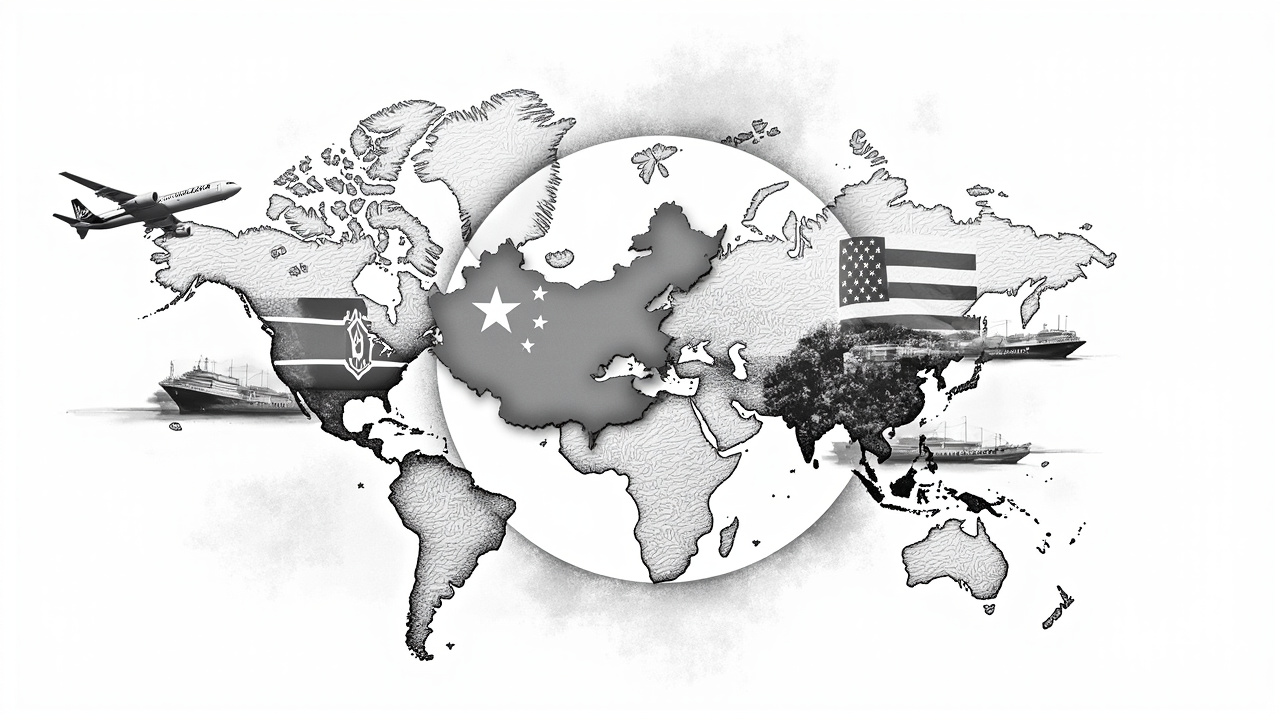
China Clarifies Canada Trade Agreement
Chinese officials stated on Monday that a recent trade agreement with Canada does not target any third country. Foreign Ministry spokesperson Guo Jiakun made this declaration after former US President Donald Trump threatened 100% tariffs on Canadian products. Trump's threat came in response to Canada finalizing the deal with Beijing. The Chinese statement aims to calm international trade tensions. This development occurs as global markets watch US election dynamics closely.
Kenya's Trade Position in Focus
Kenyan businesses export significant goods to both China and the US. In 2023, Kenya's exports to China reached $1.2 billion, according to Kenya National Bureau of Statistics data. Exports to the US totaled $800 million. The China-Canada agreement could influence Kenya's trade strategies. Kenya seeks to balance relationships with major economic partners. The country recently signed a trade deal with the US under the African Growth and Opportunity Act (AGOA).
Why It Matters
Trade tensions between major economies affect African markets directly. Kenya's flower and tea industries rely on stable international trade. The Horticultural Crops Directorate reported flower exports earned Kenya $1.1 billion in 2023. Tea exports brought in $1.3 billion. Uncertainty from US tariff threats could disrupt these flows. Chinese investment in Kenya also remains substantial. China financed the $3.6 billion Standard Gauge Railway project. Ongoing projects include the $1.5 billion Nairobi Expressway.
What Businesses Should Watch
Monitor US election outcomes for potential policy shifts. The US International Trade Commission reviews trade agreements regularly. Watch for changes in tariff structures on Canadian goods. Observe how China adjusts its African trade partnerships. The China-Africa Cooperation Forum meets next in 2025. Track Kenya's negotiations with the European Union under the Economic Partnership Agreement. The Kenya Revenue Authority may adjust customs procedures based on global trends.
Specific Company Implications
Bidco Africa sources raw materials from both China and North America. The company's edible oils division could face cost pressures from tariffs. East African Breweries Limited imports barley from Canada for its Tusker beer. Tariff increases might raise production costs. Safaricom partners with Chinese firm Huawei for its 5G network expansion. Political tensions could affect technology supply chains. Kenya Airways operates cargo flights to China and the US. Trade volume changes impact airline profitability.
Government Responses and Regulations
The Kenyan Ministry of Trade and Industry reviews all international trade developments. Cabinet Secretary Rebecca Miano leads these efforts. The Kenya Association of Manufacturers advises members on supply chain diversification. The organization represents over 700 manufacturing firms. The Central Bank of Kenya monitors currency fluctuations from trade news. The Kenyan shilling traded at 160 to the US dollar this week. The bank maintains foreign exchange reserves of $7 billion.
Market Reactions and Data
Nairobi Securities Exchange indices showed mixed movements this week. The NSE 20 Share Index gained 0.5% on Monday. The All Share Index remained flat. Trading volume reached 50 million shares daily. Specific stocks reacted to the trade news. Bamburi Cement shares rose 2% on expected infrastructure spending. East African Breweries shares fell 1% on potential input cost concerns. The Nairobi bourse lists 64 companies with total market capitalization of $12 billion.
Looking Ahead
Business leaders should prepare for multiple scenarios. The US holds presidential elections in November 2024. Trade policies may change depending on the outcome. China continues expanding its Belt and Road Initiative in Africa. Kenya hosts several Chinese-funded infrastructure projects. The African Continental Free Trade Area implementation progresses. Kenya ratified the agreement in 2020. Intra-African trade currently represents 15% of total African trade. The AfCFTA aims to increase this to 25% by 2040.
Practical Steps for Kenyan Firms
Review supply chains for North American and Chinese components. Develop alternative sourcing options in other regions. Use Kenya's Export Processing Zones for tariff advantages. The zones offer tax holidays and duty-free imports. Consult with the Kenya Investment Authority about incentives. The authority provides investment certificates and facilitation services. Monitor announcements from the World Trade Organization. The WTO settles trade disputes between member countries. Kenya participates actively in WTO negotiations.
Conclusion
Global trade dynamics require careful navigation by African businesses. The China-Canada agreement represents one piece of a complex puzzle. Kenyan companies must stay informed and adaptable. Government agencies provide resources for international trade. Market data offers clues about investor sentiment. Proactive planning helps mitigate risks from distant political events. The fundamental strength of Kenya's economy supports continued growth through uncertainty.