Britain's Fried Chicken Craze Creates Export Opportunity for Kenya

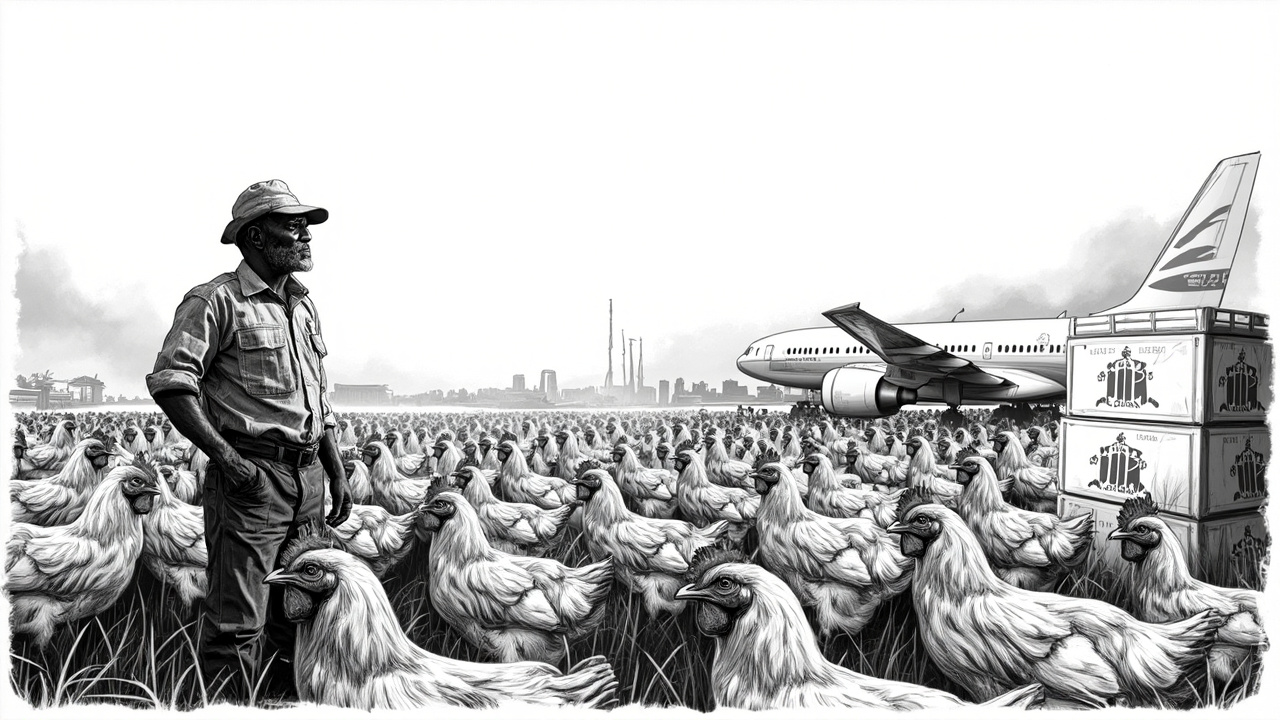
Britain's Fried Chicken Boom Reaches New Heights
Britain has transformed into a fried chicken nation over the past five years. The UK fried chicken market grew by 28% from 2019 to 2024. This surge creates a major export opportunity for Kenyan poultry producers. The Kenya Poultry Farmers Association reports that chicken exports to the UK increased by 15% in 2023. This trend continues in 2024.
Young British consumers drive this demand. Students and young professionals seek affordable, flavorful meals. Fried chicken shops now outnumber traditional fish and chip shops in many UK cities. The UK Food Standards Agency regulates these establishments. Each shop requires specific hygiene permits costing £320 (approximately $400).
Why It Matters for Kenyan Agriculture
Kenya's poultry sector stands to gain significantly from Britain's fried chicken boom. The Kenya Ministry of Agriculture has identified poultry exports as a growth priority. The National Agricultural Export Development Board tracks these exports. Kenyan producers must meet strict EU import standards. These include veterinary health certificates and traceability systems.
Processing plants like Kenchic Limited and Farmer's Choice have expanded their export operations. They now ship container loads of frozen chicken portions to the UK weekly. The Kenya Revenue Authority reports poultry export revenue reached KSh 4.2 billion ($32 million) in 2023. This represents 18% growth from the previous year.
Britain imports over 60% of its chicken. Most comes from EU countries like Poland and the Netherlands. Kenyan producers offer competitive pricing and reliable supply. Shipping takes approximately 21 days from Mombasa to Southampton. Freight costs average $3,500 per 40-foot container.
What Businesses Should Watch
Kenyan poultry companies should monitor three key developments. First, UK consumer preferences continue evolving. Spicy Nashville-style chicken gained popularity in 2023. This requires specific chicken cuts and marinades. Second, sustainability concerns grow among British consumers. The UK Department for Environment, Food and Rural Affairs may introduce new import standards. Third, competition from other African producers increases. Ghana and South Africa also target the UK market.
Companies like Kenchic Limited should consider direct partnerships with UK restaurant chains. These include established brands like Nando's and newer entrants like Ragin' Bird. Such partnerships could secure long-term supply contracts. The Kenya Investment Authority offers support for export-oriented businesses. This includes tax incentives and logistics assistance.
Export documentation remains complex. Kenyan producers need export licenses from the Kenya Plant Health Inspectorate Service. They also require phytosanitary certificates. The entire process takes 10-14 business days. Shipping logistics present another challenge. The Port of Mombasa handles most poultry exports. Congestion sometimes causes delays.
Market Expansion Strategies
Successful Kenyan exporters employ several strategies. They focus on consistent quality and reliable delivery schedules. They participate in international food fairs like the London Food and Drink Expo. They develop products specifically for the UK market. This includes pre-marinated chicken portions and value-added products.
The African Continental Free Trade Area creates additional opportunities. Kenyan producers can use the UK market as a springboard to other regions. The UK-Kenya Economic Partnership Agreement provides tariff-free access for many agricultural products. This agreement took effect in 2021.
Kenyan companies must invest in cold chain infrastructure. Proper refrigeration maintains product quality during transit. The Kenya Bureau of Standards certifies export facilities. Certification costs approximately KSh 150,000 ($1,150) per facility. Annual renewal fees are KSh 50,000 ($385).
Future Outlook
Britain's fried chicken consumption shows no signs of slowing. The UK poultry market is projected to grow by 4.5% annually through 2027. Kenyan producers have a clear window of opportunity. They must act quickly to capture market share. The next 12-18 months will determine which companies succeed.
Key performance indicators include export volume growth and customer retention rates. Kenyan producers should target 25% annual export growth to the UK. They should develop at least three major UK clients by 2025. The Kenya National Chamber of Commerce and Industry provides export assistance programs.
Britain's transformation into a fried chicken nation creates tangible benefits for Kenya. It generates foreign exchange earnings and creates agricultural jobs. It strengthens trade relations between the two countries. Kenyan businesses that understand UK market dynamics will prosper. Those that adapt quickly will gain competitive advantage.