Ghana Treasury Bill Oversubscription Masks Deeper Debt Refinancing Crisis

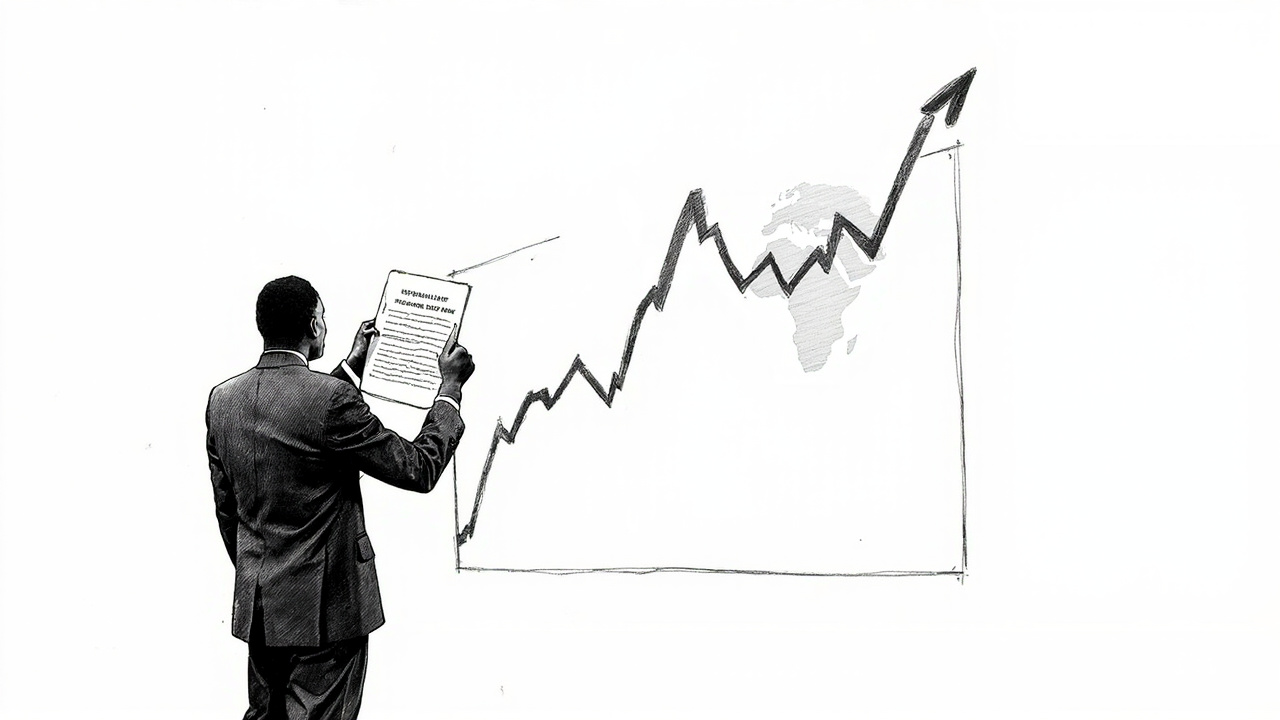
Ghana markets continue showing dangerous signs of fiscal stress, despite headlines celebrating the government's ability to raise GH¢8.99 billion against a GH¢6.415 billion Treasury bill target. This 40% oversubscription mirrors January's pattern, when Ghana accepted GHS 30.5 billion in T-bills, exceeding targets by 39.2%.
The Refinancing Trap Tightens
The research context reveals what officials won't say: Ghana plans to borrow GH₵200 billion from Treasury bills in 2025, averaging GH₵3.9 billion weekly. This represents a modest decline from 2024's estimated GH₵220 billion, but the underlying dynamic remains toxic. High 2024 uptake creates elevated refinancing needs into early 2025, forcing the government into a perpetual rollover cycle. When July auctions saw 96% oversubscription with bids of GHS 20.98 billion against a GHS 5.44 billion target, this wasn't market confidence—it was desperation for yield in a constrained environment. The government accepted GHS 10.64 billion, building cash buffers for DDEP bond payments, but this strategy merely shifts pressure forward.
AfCFTA Integration Remains Fantasy
While Ghana struggles with basic fiscal management, the broader pan-African integration agenda stalls. Treasury bill markets remain stubbornly domestic, with no meaningful cross-border harmonization of debt instruments or regulatory frameworks. The 86.06% Treasury bill dominance in Ghana's fixed income market reflects a narrow, inward-looking financial system that contradicts AfCFTA's grand promises. Regional investors face fragmented markets, inconsistent regulations, and currency risks that make continental portfolio diversification nearly impossible.
This suggests Ghana's debt sustainability remains questionable despite short-term funding success. The risk is that oversubscribed auctions mask underlying fiscal fragility rather than demonstrate market confidence. Expect continued refinancing pressure and limited regional financial integration progress throughout 2025.