Ghana Stock Exchange Launches New Equity Listing Framework

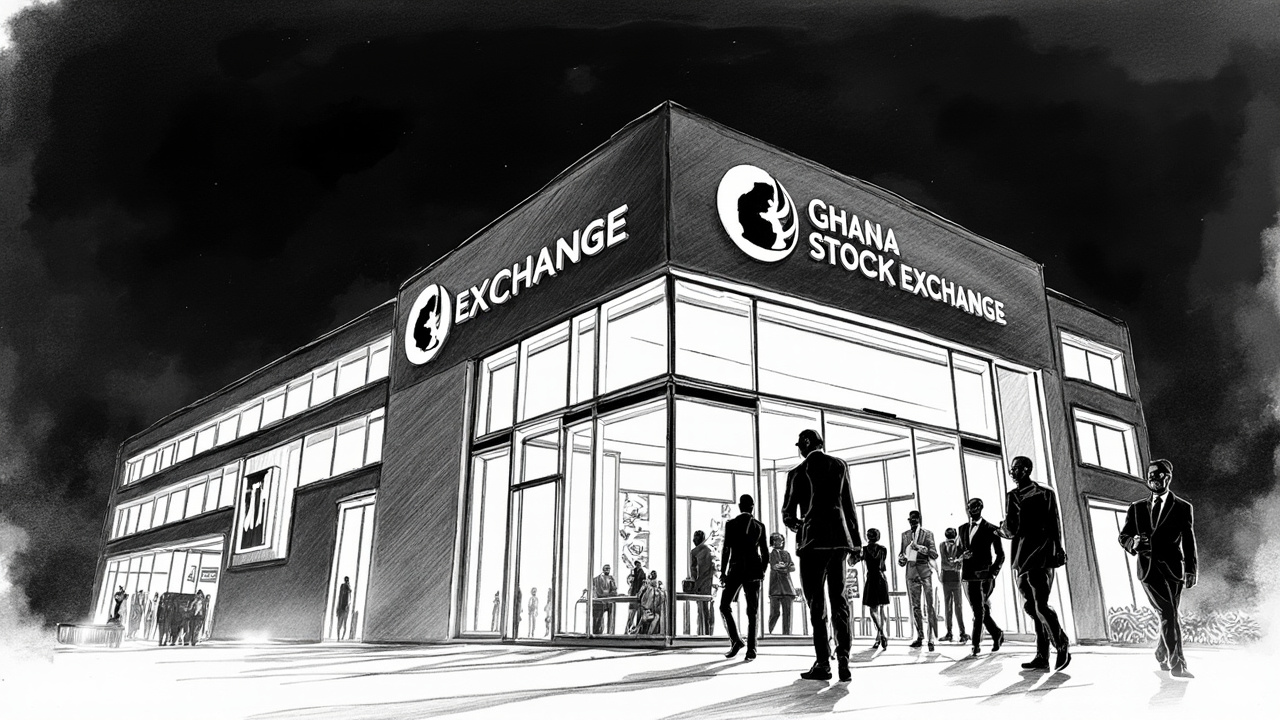
The Ghana Stock Exchange (GSE) has published a comprehensive set of new listing rules for its equity market. The Exchange announced the regulatory overhaul on Monday, October 23, 2023. The GSE will host an engagement session for market participants and issuers to explain the provisions. The session aims to provide guidance and enhance understanding of the updated framework.
Key Changes in the Listing Rules
The new rules introduce clearer requirements for companies seeking to list on the GSE. The framework establishes specific financial thresholds and governance standards. It defines distinct pathways for main market listings and alternative market entries. The rules mandate enhanced disclosure obligations for listed entities. They also outline procedures for ongoing compliance and delisting scenarios.
Why It Matters
These rules matter because they directly affect Ghana's capital market development. The GSE currently has 42 listed companies. Trading volumes reached 341 million shares in 2022, according to Exchange data. The new framework could attract more domestic companies to list. It provides clearer guidance for potential issuers considering public offerings. The rules align with international best practices from markets like Nigeria and Kenya. This alignment may boost investor confidence in Ghanaian equities.
Implementation Timeline and Costs
The GSE will implement the new rules immediately following the engagement session. Companies must comply with the updated requirements for all new listings. Existing listed companies will have a transition period of six months. The GSE charges a listing application fee of GH₵50,000 (approximately $4,200). Annual listing fees range from GH₵20,000 to GH₵100,000 based on market capitalization. Companies must also budget for legal and advisory costs, typically GH₵200,000 to GH₵500,000.
Regulatory Context and Permits
The new rules operate under the Securities Industry Act, 2016 (Act 929). They complement regulations from the Securities and Exchange Commission (SEC) of Ghana. Companies seeking listing must obtain SEC approval for their prospectus. They must also secure a trading permit from the GSE. The Exchange requires environmental compliance certificates from the Environmental Protection Agency for certain sectors. The Bank of Ghana oversees additional requirements for financial institutions.
What Businesses Should Watch
Businesses should watch several key aspects of the new framework. First, monitor the specific financial thresholds for different listing categories. Second, track the enhanced disclosure requirements for quarterly and annual reports. Third, note the corporate governance standards, including board composition rules. Fourth, observe how the GSE enforces the rules through its surveillance department. Fifth, watch for potential amendments based on market feedback during the transition period.
Market Participants and Examples
The new rules affect various market participants. Issuers include companies like MTN Ghana, Ghana Commercial Bank, and Enterprise Group. Intermediaries include brokerage firms like Databank Brokerage and Strategic African Securities. Investors encompass both domestic institutions and foreign funds. The rules may particularly impact growing sectors like technology and renewable energy. Companies such as IT firm Persol Systems or solar provider Meinergy Tech could consider listings under the new framework.
Potential Market Impact
The rules could positively impact market liquidity and transparency. They may reduce information asymmetry between companies and investors. The clearer requirements might shorten the listing process timeline. This could encourage more small and medium enterprises to access public capital. However, the stricter standards might initially deter some companies due to compliance costs. The overall effect likely depends on how the GSE balances rigor with accessibility.
Next Steps for Companies
Companies considering listing should take several concrete steps. First, review the full text of the new listing rules on the GSE website. Second, attend the upcoming engagement session for detailed guidance. Third, conduct a preliminary assessment against the financial and governance criteria. Fourth, consult with legal and financial advisors about the application process. Fifth, begin preparing the required documentation, including audited financial statements.
Statistical Context
Ghana's equity market represents a small but growing portion of the economy. Market capitalization stood at GH₵64.2 billion ($5.4 billion) at the end of 2022. This equals about 8.5% of Ghana's GDP, according to World Bank data. The GSE All-Share Index gained 12.3% in the first nine months of 2023. Foreign participation accounted for 28% of equity trading volume in 2022. These statistics highlight the market's potential for expansion under improved regulatory frameworks.