Ghana's NPP Primaries Set for Major Delegates Vote

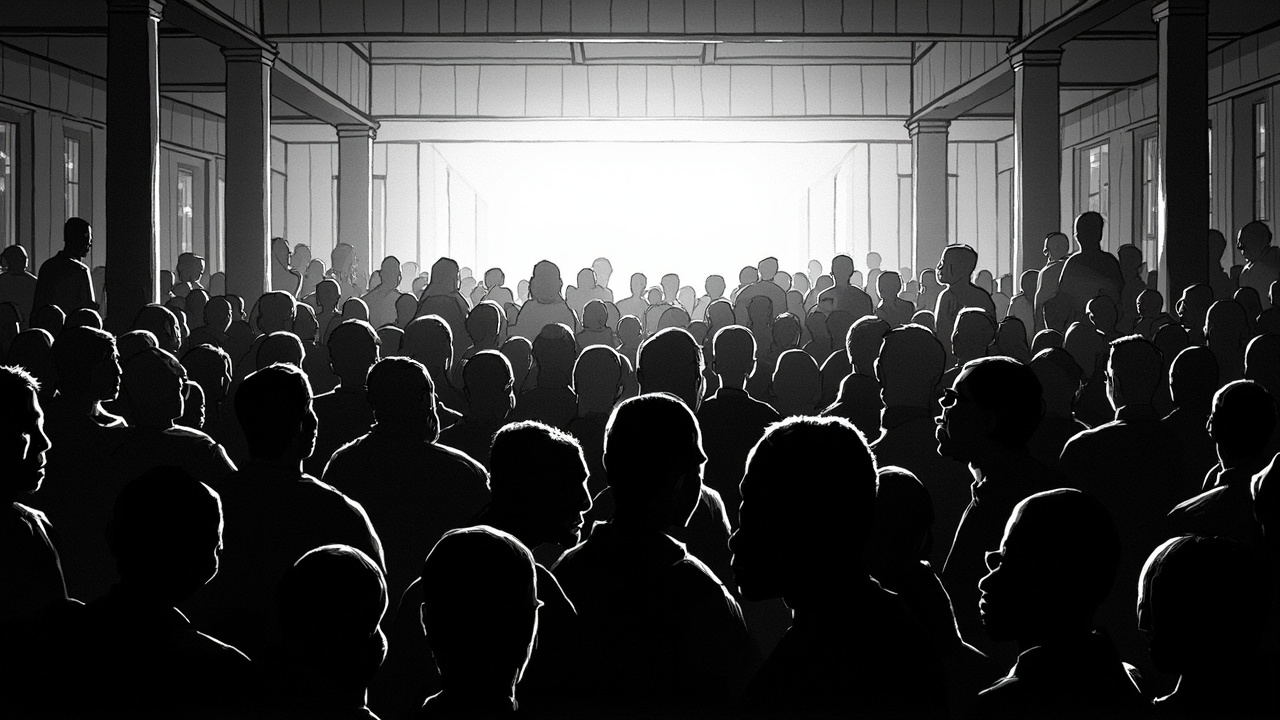
Ghana's New Patriotic Party will hold its presidential primaries on January 31, 2026. The party confirmed preparations are complete for the vote. More than 211,000 delegates will cast ballots at 333 centers nationwide. This internal election will determine the NPP's candidate for Ghana's 2028 presidential race. The Electoral Commission of Ghana will supervise the process. Party officials say they have implemented strict verification systems. They aim to prevent disputes that have marred previous contests. The NPP currently holds Ghana's presidency under Nana Akufo-Addo. His second term ends in January 2029. The primaries represent a critical transition for the ruling party. Several high-profile candidates are expected to contest. The winner will face opposition candidates in the 2028 general election. Ghana's political stability often influences investor confidence. The country saw 2.9% GDP growth in 2024 according to the World Bank. The Ghana Statistical Service reported inflation at 15.3% in December 2024. The Bank of Ghana maintained its policy rate at 29% in January 2025. These economic indicators create a complex backdrop for political campaigns.
Preparations and Logistics
The NPP has organized voting across all 16 regions of Ghana. Each of the 333 centers will have biometric verification machines. Party officials must present valid identification to vote. The Electoral Commission will provide ballot papers and boxes. Security personnel from the Ghana Police Service will guard each location. The party allocated 50 million Ghana cedis (approximately $3.5 million) for the exercise. This budget covers transportation, accommodation, and materials. Delegates include constituency executives, polling station officers, and party elders. They represent the party's grassroots structure. The NPP used a similar delegate system in its 2023 parliamentary primaries. Those elections saw 35,000 delegates vote at 275 centers. The 2026 presidential primaries involve six times more participants. This scale requires careful coordination. Party officials conducted training sessions in December 2025. They focused on electoral rules and conflict resolution. The NPP wants a smooth process to maintain unity. Internal divisions could weaken the party ahead of the 2028 election.
Political and Economic Context
Ghana's next presidential election occurs in December 2028. The NPP seeks to extend its rule beyond Akufo-Addo's tenure. The party has governed since 2017. It faces economic challenges including high public debt. Ghana completed a $3 billion IMF program in 2024. The country restructured $5.4 billion of domestic debt in 2023. These measures helped stabilize the economy. Business leaders monitor political developments closely. The Ghana Stock Exchange Composite Index rose 28% in 2024. Companies like MTN Ghana, AngloGold Ashanti, and Ghana Commercial Bank drive market activity. Political uncertainty could affect investor decisions. The NPP primaries will signal policy directions for 2028. Candidates may propose different approaches to economic management. Some might emphasize fiscal discipline. Others could advocate for social spending. The outcome will shape business expectations for years ahead.
Why It Matters
The NPP primaries matter because they determine Ghana's ruling party candidate. This person could become the next president. Political leadership influences economic policies and reforms. Ghana's $75 billion economy depends on stable governance. The country is a major cocoa producer and gold exporter. It also hosts significant oil and gas reserves. Companies like Kosmos Energy and Tullow Oil operate offshore fields. Government decisions affect these sectors directly. The primaries also test democratic processes within Africa's second-largest gold producer. Ghana has held peaceful elections since 1992. Maintaining this record supports regional stability. The West African nation serves as a hub for businesses like Ecobank and Africa Finance Corporation. A credible primary process reinforces confidence. It shows institutions can manage political transitions smoothly.
What Businesses Should Watch
Businesses should watch candidate policy statements closely. Look for positions on taxation, regulation, and infrastructure spending. Monitor how candidates address Ghana's debt situation. The country's public debt stood at 71.4% of GDP in 2024 per the Bank of Ghana. Any shift in fiscal approach could impact bond markets. Watch for campaign promises about specific sectors. Agriculture employs about 40% of Ghana's workforce. The Ghana Cocoa Board reported 2024 production of 850,000 metric tons. Candidates might propose support programs for farmers. The mining sector contributes 8% of GDP. Companies like Newmont Ghana and Gold Fields operate large mines. Political support for mining regulations matters. Also watch for signals about energy policy. Ghana aims to increase electricity access to 90% by 2030. The Volta River Authority and Ghana Grid Company manage power generation and distribution. Candidate views on public-private partnerships could affect projects. Finally, observe market reactions to primary results. The Ghana Stock Exchange might see volatility around the January 31 vote. Long-term investors should assess policy consistency regardless of winner.
Looking Ahead
The NPP primaries conclude on January 31, 2026. Results should emerge within 48 hours. The party will then focus on unifying behind its candidate. Campaigning for the 2028 general election will begin in earnest. Businesses should engage with all major candidates. They need to understand potential policy shifts. Ghana's economic trajectory depends on sound political choices. The country faces both opportunities and challenges. Its young population offers a demographic dividend. The digital sector shows promise with companies like Hubtel and mPharma expanding. Yet infrastructure gaps and global economic headwinds persist. The next political leader must balance these factors. The January primaries provide the first glimpse of possible directions.