Ghana Markets Signal Liquidity Trap as Government Rejects Billions

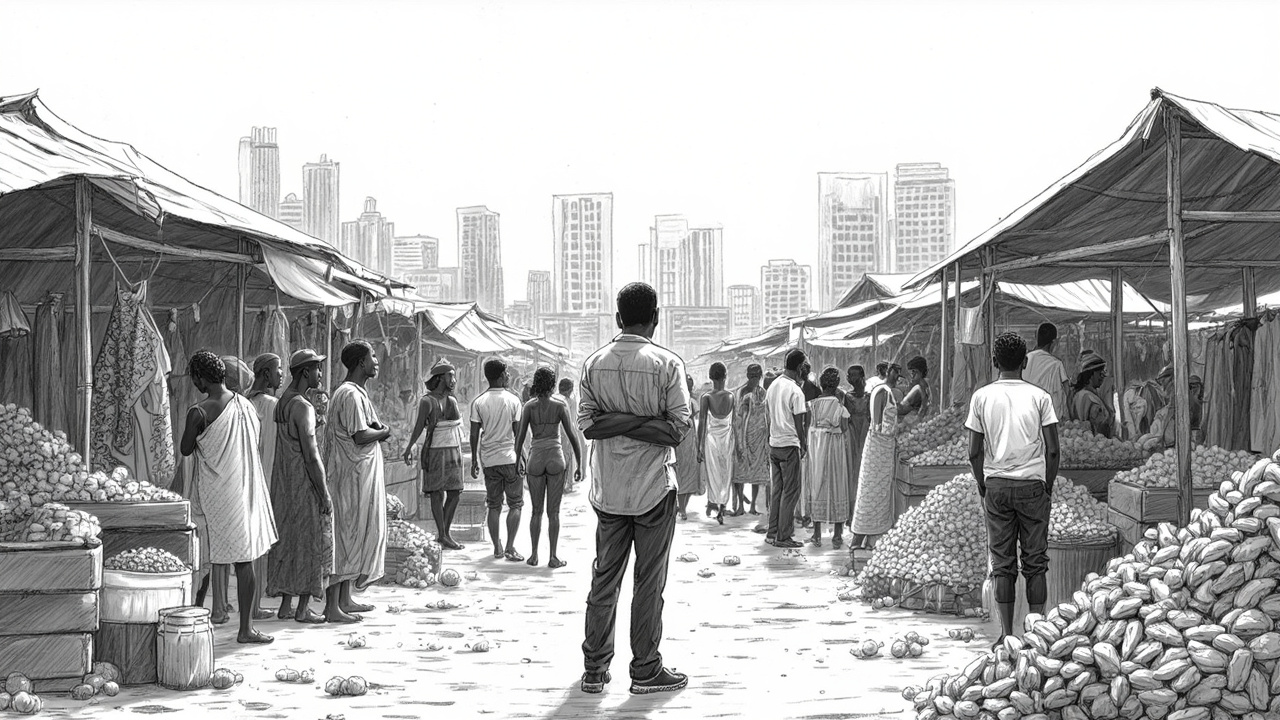
Ghana markets are witnessing a dangerous paradox. The government's rejection of GH¢13 billion in T-bill bids while accepting only GH¢8.9 billion reveals selective borrowing that masks deeper structural problems. With 253% oversubscription and rates falling to 8.6%, investors are desperately chasing yield in a market where the state is artificially constraining supply.
The Liquidity Mirage Hiding Forex Desperation
This suggests Ghana is engineering a false scarcity to drive down borrowing costs, but the strategy backfires for regional integration. The Bank of Ghana's auction mechanics show a government prioritizing short-term fiscal relief over market development. Treasury bills now account for 96.36% of fixed income trades, creating dangerous concentration risk. Meanwhile, inflation projections of 8% for 2026 against 8.6% T-bill rates offer virtually no real return. The risk is that domestic pension funds and banks are being forced into negative real yield investments while offshore investment caps prevent capital flight. This creates a captive market that undermines the financial sector integration goals of AfCFTA.
Regional Integration Suffers From Inward-Looking Policies
Ghana's SEC caps on offshore investments by local fund managers directly contradict pan-African capital market harmonization. While gross international reserves reached US$13.8 billion, providing 5.7 months import cover, the country is building walls around domestic capital. President Mahama's target of US$20 billion reserves sounds impressive, but the path involves financial repression that weakens cross-border investment flows. The 91-day T-bill rate fell from 11.08% to 9.70% in weeks, signaling monetary authorities are prioritizing government financing over market efficiency.
Expect more African governments to copy Ghana's playbook of capital controls disguised as stability measures. This oversubscribed auction isn't success—it's evidence that regional financial integration is moving backward, one captive market at a time.