Ghana Markets: Why AGI's Cocoa Processing Push Exposes Deeper Flaws

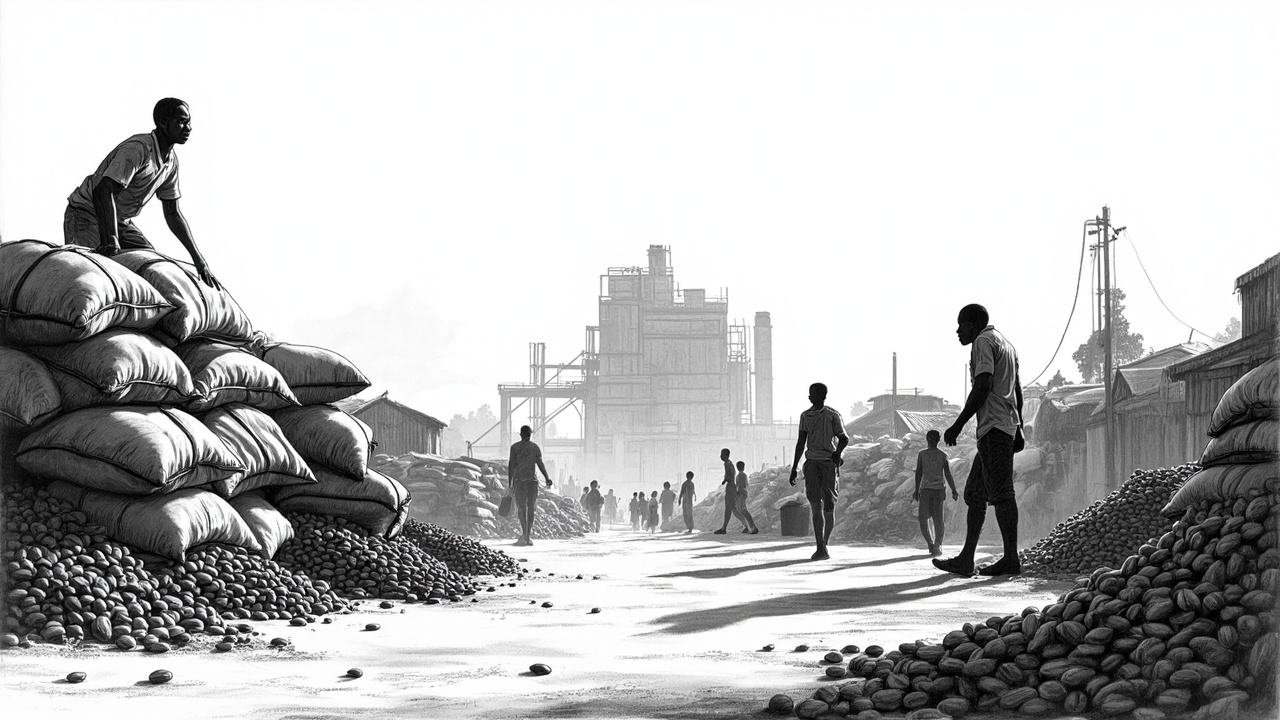
The Association of Ghana Industries wants small-scale cocoa processing plants in growing communities. Sounds progressive. The reality in Ghana markets tells a different story about structural dysfunction and missed opportunities.
The Capacity Utilization Scandal
Ghana already has domestic grinding capacity of 504,780 MT. Current utilization sits below 50% due to bean shortages. This suggests AGI's push for more processing plants addresses the wrong problem entirely. The issue isn't lack of infrastructure - it's COCOBOD's export-first mentality that starves domestic processors of raw materials.
With cocoa exports projected at 520,000 MT versus domestic capacity of over 500,000 MT, the math reveals the real constraint. COCOBOD prioritizes foreign exchange earnings over local value addition. Adding more plants without fixing bean allocation creates expensive white elephants. The risk is duplicating existing underutilized capacity while the fundamental supply chain remains broken.
Cross-border smuggling persists despite controls, meaning Ghana loses beans to neighbors while domestic processors sit idle. This suggests weak institutional coordination that new plants won't solve.
The AfCFTA Reality Check
Ghana's cocoa sector exposes broader African integration failures. While officials tout regional value chains, the country ships raw beans abroad then imports finished chocolate products. This pattern repeats across Africa - grand integration rhetoric masking continued colonial trade structures.
The National Cocoa Rehabilitation Program reduced harvested area while informal mining encroaches on cocoa land. Production dropped to 530,873 MT before recovering to projected 700,000 MT. This volatility makes long-term processing investments risky without addressing underlying land use conflicts.
Weather risks remain severe, with forecasts already revised down from 800,000 MT to 650,000 MT for the current season. Building processing capacity in rural areas increases exposure to climate shocks that urban facilities might better withstand.
Expect AGI's initiative to generate headlines but little structural change. Until COCOBOD reforms bean allocation priorities, Ghana will keep exporting jobs along with cocoa beans.