First Sky Energies to Boost Ghana Grid with Yendi Plant

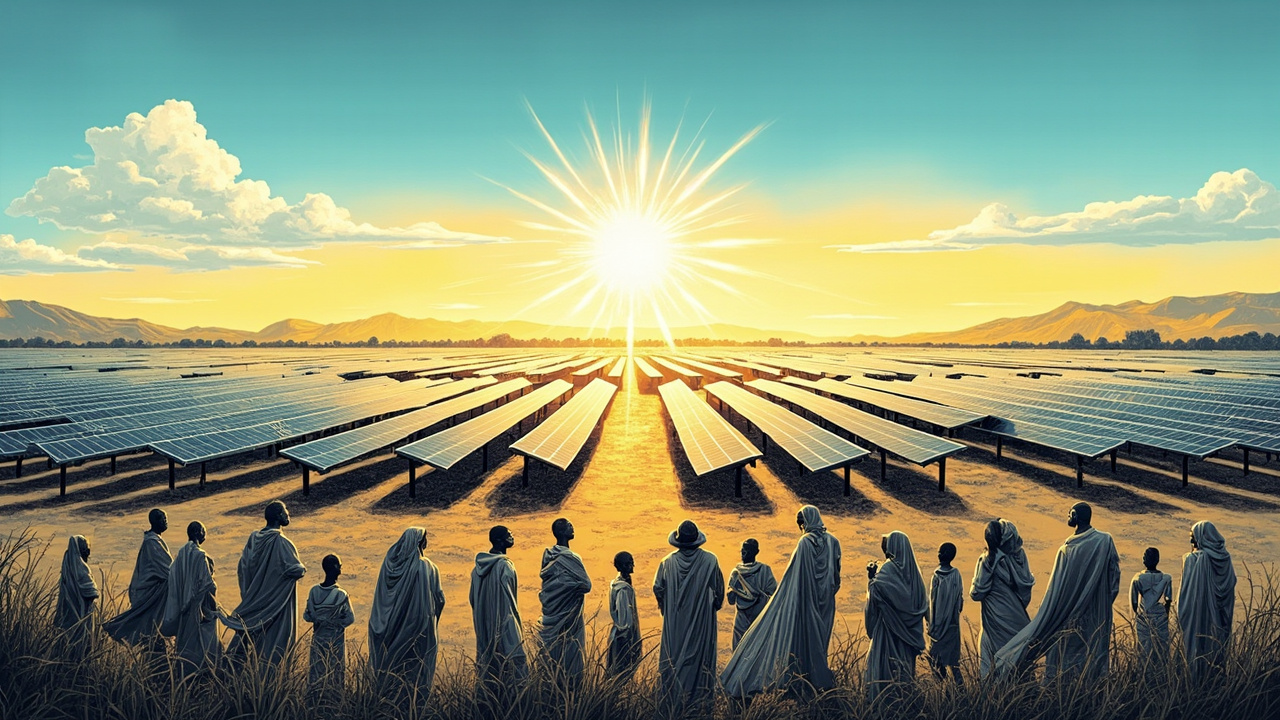
First Sky Energies will launch a 50-megawatt renewable energy power plant in March 2026. The plant will feed electricity directly into Ghana's national grid. Eric Seddy Kutortse, Founder and Executive Chairman of the First Sky Group, announced the project this week. The Yendi-based facility represents a major private investment in northern Ghana's energy infrastructure.
Project Details and Timeline
Construction on the Yendi plant will begin in early 2025. First Sky Energies has secured initial land rights and begun preliminary environmental assessments. The company expects to complete all Ghana Energy Commission and Environmental Protection Agency permits by December 2024. The total project cost is estimated at 400 million Ghanaian cedis, approximately $32 million USD at current exchange rates. The 50-megawatt capacity will come online in phases throughout March 2026.
Ghana's Energy Landscape
Ghana's installed generation capacity currently stands at 5,300 megawatts. The country aims to increase renewable energy's share to 10% of the generation mix by 2030. Recent data from the Energy Commission shows renewable sources contributed just 1% in 2023. The government has implemented feed-in tariffs and tax incentives to attract private investment. The Volta River Authority manages grid integration for new power projects.
Why It Matters
This project addresses Ghana's persistent energy deficits. Northern regions experience more frequent power outages than southern areas. The Yendi plant will provide electricity for approximately 100,000 households. It will also support industrial development in the Northern and North East regions. Ghana's economy grew 2.9% in 2023, but energy constraints limited manufacturing expansion. Reliable power could boost sectors like agro-processing and mining.
What Businesses Should Watch
Companies should monitor grid connection timelines. The Ghana Grid Company must upgrade transmission lines to handle the new capacity. Investors should track First Sky's financing model. Will the company seek partners or use internal capital? The project may create opportunities for equipment suppliers and construction firms. Local businesses should prepare for potential electricity rate changes. The Public Utilities Regulatory Commission reviews tariffs annually.
Competitive Context
First Sky Energies enters a market dominated by state-owned enterprises. The Volta River Authority and Bui Power Authority control most generation assets. Independent power producers like Cenpower and AKSA Energy operate several plants. Recent renewable projects include the 20-megawatt Kaleo solar plant by Meinergy technology. The 50-megawatt Pwalugu multipurpose dam project has faced delays since 2019. First Sky's timeline appears ambitious compared to these examples.
Regional Implications
The Yendi plant could improve cross-border energy trade. Ghana currently exports electricity to Togo, Benin, and Burkina Faso. Enhanced northern generation might support increased exports to Sahel countries. The West African Power Pool aims to create a regional electricity market. Ghana's position as a net exporter depends on adding reliable capacity. The African Development Bank reports that 43% of Africans lack access to electricity. Projects like Yendi contribute to reducing this deficit.
Challenges and Considerations
First Sky must navigate several operational hurdles. The company needs to secure fuel sources for the renewable plant. Will it use solar, wind, or biomass technology? Grid stability in northern Ghana requires careful management. The Electricity Company of Ghana has struggled with distribution losses exceeding 20%. The plant's location far from major load centers presents transmission challenges. Seasonal weather patterns may affect generation consistency.
Economic Impact Assessment
The project will create approximately 300 construction jobs and 50 permanent operations positions. Local content requirements mandate that 60% of skilled labor come from Ghanaian citizens. The plant could stimulate ancillary businesses in Yendi Municipality. Ghana's Ministry of Energy estimates each megawatt of new capacity supports $100,000 USD in annual economic activity. This suggests the Yendi plant could generate $5 million USD in yearly economic benefits.
Looking Ahead
First Sky Energies plans to expand its energy portfolio after the Yendi launch. The company may pursue additional renewable projects across West Africa. Ghana's energy demand grows at 7% annually according to World Bank data. Meeting this demand requires adding 350 megawatts of capacity each year. The Yendi plant contributes significantly toward this target. Its success could encourage similar private investments in Ghana's energy sector.