B5 Plus Steel Plant Faces Ghana's Import Substitution Reality

Ghana markets confront steel sector math problems
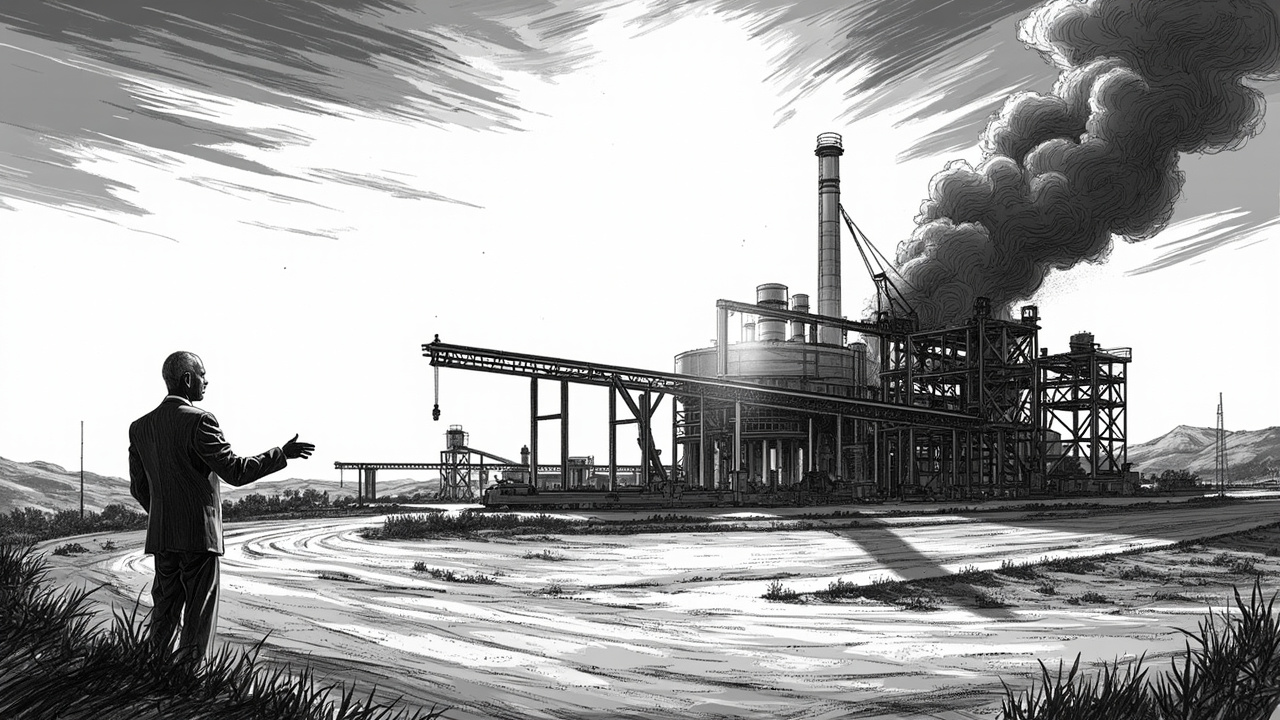
President Mahama's commissioning of B5 Plus Limited's Phase 2 expansion this week highlights a stubborn problem in Ghana's industrial policy: the gap between political ambition and market fundamentals. The facility produces structural steel, tankers, trailers, and factory systems, targeting Ghana's substantial annual steel demand. But domestic steel production faces the same challenges that have plagued Ghana's manufacturing sector for decades.
The revenue implications are immediate. Ghana's steel imports generate substantial customs duties and VAT for the Ghana Revenue Authority. If B5 Plus actually displaces meaningful import volumes, the fiscal impact hits a government already struggling with revenue collection targets. The informal sector dominance in construction and manufacturing means much of the steel demand operates outside formal tax channels anyway.
The "24-Hour Economy" rhetoric around this expansion masks practical constraints. Ghana's power grid reliability remains questionable for energy-intensive steel production. The Ghana Grid Company's load-shedding patterns make continuous manufacturing operations risky. Steel production requires consistent electricity supply - something Ghana's industrial users know cannot be guaranteed.
Market fundamentals trump political endorsements
More concerning is the compliance cost structure. The Ghana Investment Promotion Centre and Ministry of Trade push local content mandates, but enforcement creates bureaucratic friction. Companies importing steel face simpler procedures than sourcing domestically, where quality certification and supplier verification add time and cost. The Ghana Standards Authority's capacity to monitor local steel quality at scale remains limited.
Ghana has attempted steel sector development before. The government's industrial transformation agenda under previous administrations produced mixed results. The facility aligns with Mahama's broader industrial strategy, but structural challenges persist.
The cedi's volatility makes imported raw materials expensive for local steel producers while simultaneously making finished steel imports cheaper when the currency strengthens. This creates an unstable competitive environment. The Bank of Ghana's foreign exchange allocation system adds another layer of uncertainty for manufacturers requiring imported inputs.
Construction companies and manufacturers will watch B5 Plus pricing closely. If domestic steel costs more than imports, the policy push for local content becomes a tax on Ghanaian businesses. The Ghana Association of Bankers and construction sector financing will reflect these cost pressures.
The Ghana Revenue Authority faces a more complex challenge if domestic steel production scales up. VAT refund backlogs already strain manufacturer cash flow. Adding more domestic producers to the refund queue without fixing the underlying system creates additional fiscal pressure.
Capacity constraints limit immediate impact
B5 Plus faces significant market penetration challenges in Ghana's competitive steel sector. The country's substantial annual demand requires massive production capacity that single facility expansions cannot easily address. Without resolving power reliability and foreign exchange volatility, domestic steel production remains a specialized market segment rather than genuine competition for established import channels.
The Phase 2 expansion represents progress toward reducing Ghana's dependency on foreign metal, as President Mahama emphasized during the commissioning. However, the facility must navigate complex market dynamics that have historically favored imports over domestic production.
Steel manufacturing requires substantial capital investment, technical expertise, and reliable supply chains. B5 Plus Limited's expansion demonstrates commitment to these requirements, but market success depends on factors beyond production capacity alone.
The broader question remains whether Ghana's industrial policy framework can support sustainable steel sector development. Previous attempts at import substitution have shown mixed results across various manufacturing sectors. The steel industry's capital-intensive nature and technical requirements make it particularly sensitive to policy consistency and infrastructure reliability.
For B5 Plus to achieve meaningful market impact, Ghana must address systemic challenges affecting all manufacturers: power supply reliability, foreign exchange stability, and bureaucratic efficiency. The facility's success will serve as a test case for the country's broader industrial transformation ambitions under the current administration.