Turkey Deploys F-16 Jets to Somalia, Ethiopia Markets Watch

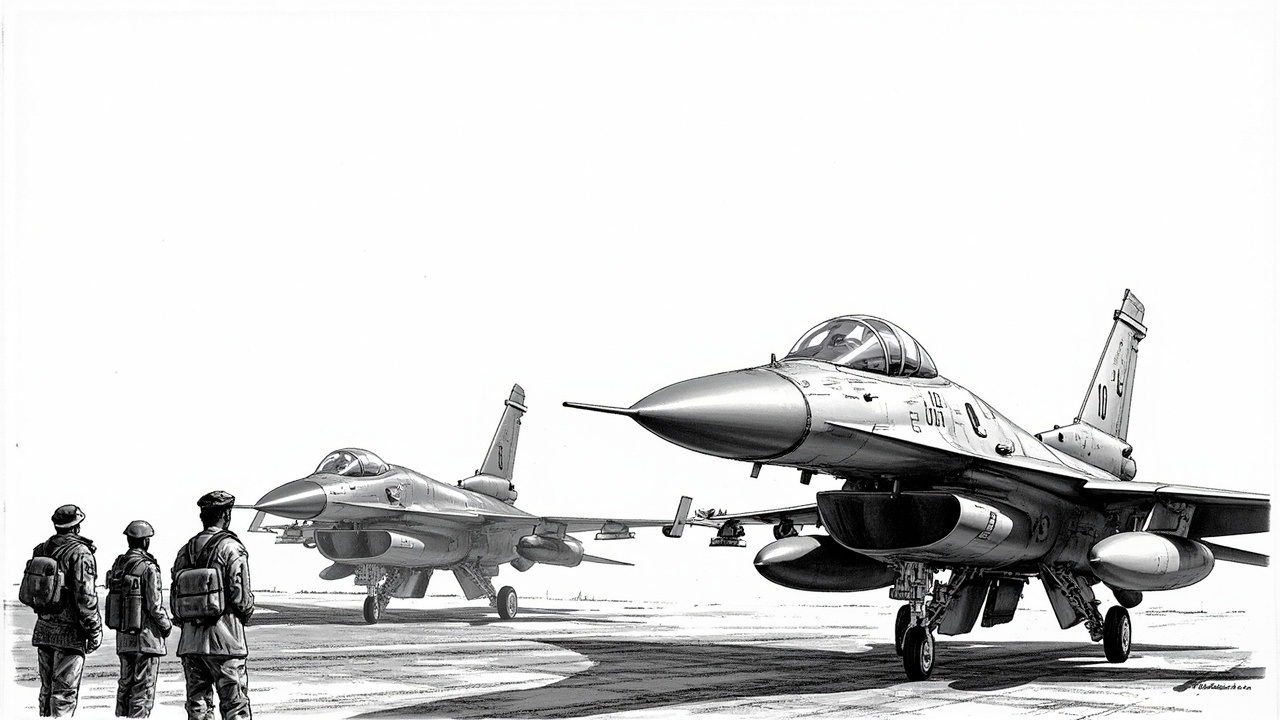
Turkey has deployed F-16 fighter jets to support the Somali National Army. Somali Defense Minister Ahmed Moalim Fiqi announced the deployment on Wednesday. He spoke at the defense ministry headquarters in Mogadishu during a handover ceremony for the new army chief. Fiqi said the jets will strengthen Somalia's air capabilities. They will provide strategic support in counterterrorism operations.
Regional Security Implications
The deployment occurs amid ongoing regional tensions. Ethiopia shares a long border with Somalia. Both countries face security challenges from militant groups. The African Union Transition Mission in Somalia (ATMIS) has been active since 2022. ATMIS plans to withdraw by December 2024. Turkey's military support could fill some security gaps. It might also shift regional power dynamics. Ethiopia's National Intelligence and Security Service monitors these developments closely. The Ethiopian government has not issued an official statement yet.
Economic Context in Ethiopia
Ethiopia's economy shows mixed signals in 2024. The International Monetary Fund projects 6.2% GDP growth for Ethiopia this year. Inflation remains high at 28.3% as of March 2024. The Ethiopian birr trades at 56.5 to the US dollar on the official market. The parallel market rate exceeds 110 birr per dollar. The government implemented economic reforms under its Homegrown Economic Reform Agenda. These reforms aim to attract foreign investment. They also seek to stabilize the currency. Security developments in neighboring Somalia could impact these efforts.
Why It Matters
Regional stability directly affects Ethiopia's economic prospects. Ethiopia relies on trade routes through Somalia. The Port of Berbera in Somaliland handles Ethiopian goods. Ethiopia also uses the Port of Djibouti. Any conflict escalation could disrupt these supply chains. The World Bank estimates transport costs account for 40% of Ethiopia's import prices. Security improvements in Somalia might lower these costs. Turkey's involvement introduces a new external actor. Turkey has invested $1 billion in Somalia since 2011. Turkish companies like Albayrak Group operate the Port of Mogadishu. This military deployment follows economic engagement.
Market Reactions and Business Impact
Ethiopian financial markets show cautious responses. The Ethiopian Securities Exchange (ESX) launched in 2024. It lists 15 companies including Dashen Bank and Awash Bank. Stock prices have remained stable this week. The real impact may appear in currency and bond markets. Ethiopia's external debt stands at $28.2 billion. The government issued a $1 billion Eurobond in 2014. It faces restructuring negotiations with creditors. Regional security affects investor confidence in these negotiations. The Ethiopian Investment Commission approved 312 foreign projects in 2023. These projects totaled $3.5 billion. Most came from China, Turkey, and the United Arab Emirates.
What Businesses Should Watch
Companies operating in Ethiopia should monitor several developments. First, watch for changes in border security protocols. The Ethiopia-Somalia border spans 1,600 kilometers. The Ethiopian Customs Commission might adjust procedures. Second, track infrastructure project timelines. Ethiopia is building the 220-kilometer Jijiga-Tog Wajaale road. This road connects to Somalia. Delays could occur if security worsens. Third, observe commodity price movements. Somalia supplies livestock to Ethiopia. Any disruption might affect meat prices. Fourth, monitor diplomatic communications. Ethiopia maintains relations with both Turkey and Somalia. The Ethiopian Ministry of Foreign Affairs may issue guidance. Fifth, assess insurance premium changes. Lloyd's of London might adjust risk ratings for the region.
Specific Company Examples
Several companies have significant exposure. Ethiopian Airlines operates flights to Mogadishu. The airline carried 14 million passengers in 2023. It might adjust schedules based on security assessments. DBL Group manufactures textiles in Ethiopia. It exports through Somali ports. Shipping costs could increase. Safaricom Ethiopia provides telecom services. It has 4.2 million subscribers. Network infrastructure near borders might need reinforcement. Turkish companies like Yapı Merkezi build railways in Ethiopia. Their $1.7 billion Addis Ababa-Djibouti railway project continues. Political relations between Ethiopia and Turkey remain crucial for such projects.
Government and regulatory Considerations
The Ethiopian government faces complex decisions. It must balance security concerns with economic priorities. The Ethiopian Maritime Authority oversees port operations. It works with the Somali Port Authority on trade facilitation. The Ethiopian Revenue and Customs Authority collects import duties. Any trade disruption would reduce government revenue. Ethiopia's federal budget for 2024 allocates 141 billion birr ($2.5 billion) for defense. This represents 14% of total spending. Parliament might debate adjustments if regional threats increase. The Ethiopian Investment Board approves major projects. It requires security clearances for border area investments.
Looking Ahead
The situation remains fluid. Turkey's military commitment signals long-term engagement. Somalia plans national elections in 2025. Security improvements could encourage more Ethiopian business activity. The African Development Bank forecasts 5.8% growth for East Africa in 2024. Ethiopia contributes significantly to this projection. Business leaders should maintain normal operations while preparing contingency plans. They should consult the Ethiopian Chambers of Commerce for updates. The next key date is the ATMIS withdrawal deadline in December 2024. Market reactions will become clearer then.