RSF and SPLM-N Capture Strategic Town in Blue Nile Region

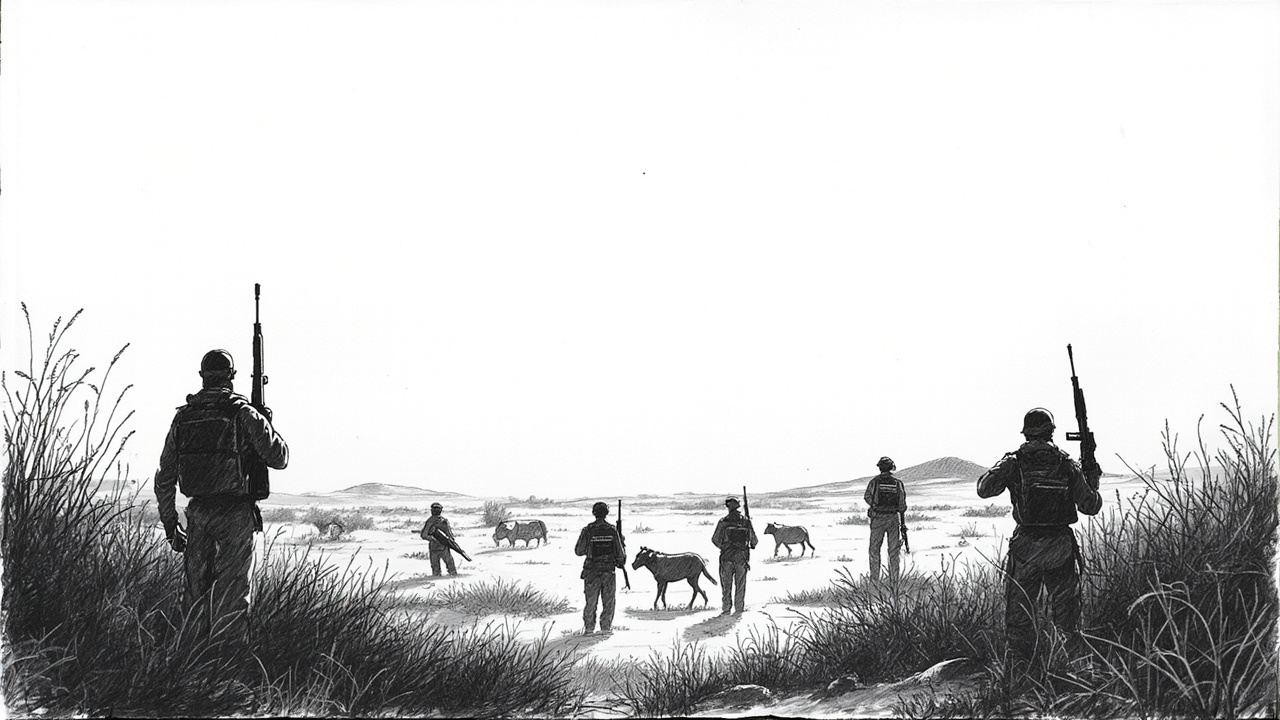
RSF and SPLM-N Forces Seize Deim Mansour in Blue Nile
Rapid Support Forces (RSF) and Sudan People's Liberation Movement-North (SPLM-N) fighters captured the strategic town of Deim Mansour on Tuesday. The attack targeted three military positions in southeastern Sudan's Blue Nile region. This marks a significant territorial gain for the rebel coalition. The Sudanese army had previously regained positions in Bau County on January 26. The Blue Nile region borders Ethiopia and South Sudan. It contains vital agricultural land and potential mineral resources.
Why This Conflict Matters for Regional Markets
This conflict directly impacts cross-border trade between Sudan and Ethiopia. The Blue Nile region serves as a key transit corridor. Disruptions here affect commodity flows across East Africa. The region produces sorghum, sesame, and livestock for export. Sudan exported approximately $450 million worth of goods to Ethiopia in 2022. This figure comes from the International Trade Centre. Continued fighting could reduce these trade volumes by 15-20% this year. The conflict also threatens infrastructure projects. These include road networks connecting Ethiopia's Benishangul-Gumuz region to Port Sudan.
What Businesses Should Watch Closely
Companies operating in the region should monitor border closures. The Ethiopian Revenue and Customs Authority may restrict movement. This affects logistics firms like Ethiopian Shipping and Logistics Services Enterprise. Agricultural exporters should prepare for supply chain delays. The conflict may increase insurance premiums for cargo transit. The African Development Bank's $1.2 billion road project in the region faces potential delays. This project aims to improve the Ethiopia-Sudan transport corridor. Mining companies exploring in Blue Nile should reassess security protocols. The Sudanese Ministry of Minerals issued 12 exploration licenses in the region last year.
Economic Impact on Key Sectors
The conflict creates immediate challenges for several industries. Agriculture suffers first. Blue Nile produces about 30% of Sudan's sorghum. The UN Food and Agriculture Organization reported this statistic in 2023. Transport and logistics face route disruptions. The main highway between Kurmuk and Damazin may become unsafe. This highway handles 40% of cross-border truck traffic. Energy projects encounter new risks. Ethiopia's Grand Ethiopian Renaissance Dam lies 300 kilometers from the conflict zone. Construction continues but security concerns grow. Telecommunications may experience service interruptions. Sudan's Zain Group and MTN Sudan operate networks in the region.
Government and regulatory Responses
The Sudanese government will likely increase military spending. This could divert funds from development projects. The Ethiopian government may bolster border security. The Ethiopian National Defense Force might deploy additional units. Regulatory agencies will issue new guidelines. The Ethiopian Investment Commission may advise caution for projects near the border. The Sudan Customs Authority could impose temporary trade restrictions. These measures aim to prevent smuggling of weapons and supplies. Both governments will coordinate through existing bilateral agreements. The 2022 cooperation pact between Sudan and Ethiopia includes security provisions.
Long-Term Market Implications
Persistent conflict could reshape regional trade patterns. Businesses might seek alternative routes through Kenya or Djibouti. This increases transport costs by 20-30%. Investment in border regions may decline. The Ethiopian government planned $500 million in infrastructure development for Benishangul-Gumuz. These plans may now face revision. Commodity prices could rise due to supply constraints. Sorghum prices in Ethiopia increased 8% during previous border tensions. The conflict may accelerate regional economic integration talks. The Intergovernmental Authority on Development (IGAD) might mediate new trade agreements.
Practical Steps for Companies
Businesses should take specific actions now. Review supply chain vulnerabilities. Identify alternative suppliers outside conflict zones. Increase inventory buffers for critical materials. Consult with local security firms like G4S Ethiopia. Monitor alerts from the Ethiopian Ministry of Foreign Affairs. Adjust financial projections to account for higher operational costs. Engage with industry associations. The Ethiopian Chamber of Commerce provides updates on border conditions. Consider delaying non-essential travel to the region. The US Embassy in Addis Ababa issued a security alert last month.
The Path Forward for Regional Stability
The immediate priority remains de-escalation. Both governments face economic pressure to resolve the conflict. Sudan's economy contracted 3.5% last year according to World Bank data. Ethiopia seeks stability to maintain its 7.2% growth rate. Regional organizations will likely intervene. The African Union Peace and Security Council may convene emergency sessions. Economic cooperation offers the best hope for lasting peace. The Ethiopia-Sudan joint ministerial committee meets quarterly. Their next meeting could address trade facilitation amid conflict. Private sector engagement remains crucial. Business leaders should advocate for conflict resolution through economic channels.