Ethiopian Opposition Rejects Digital Election System

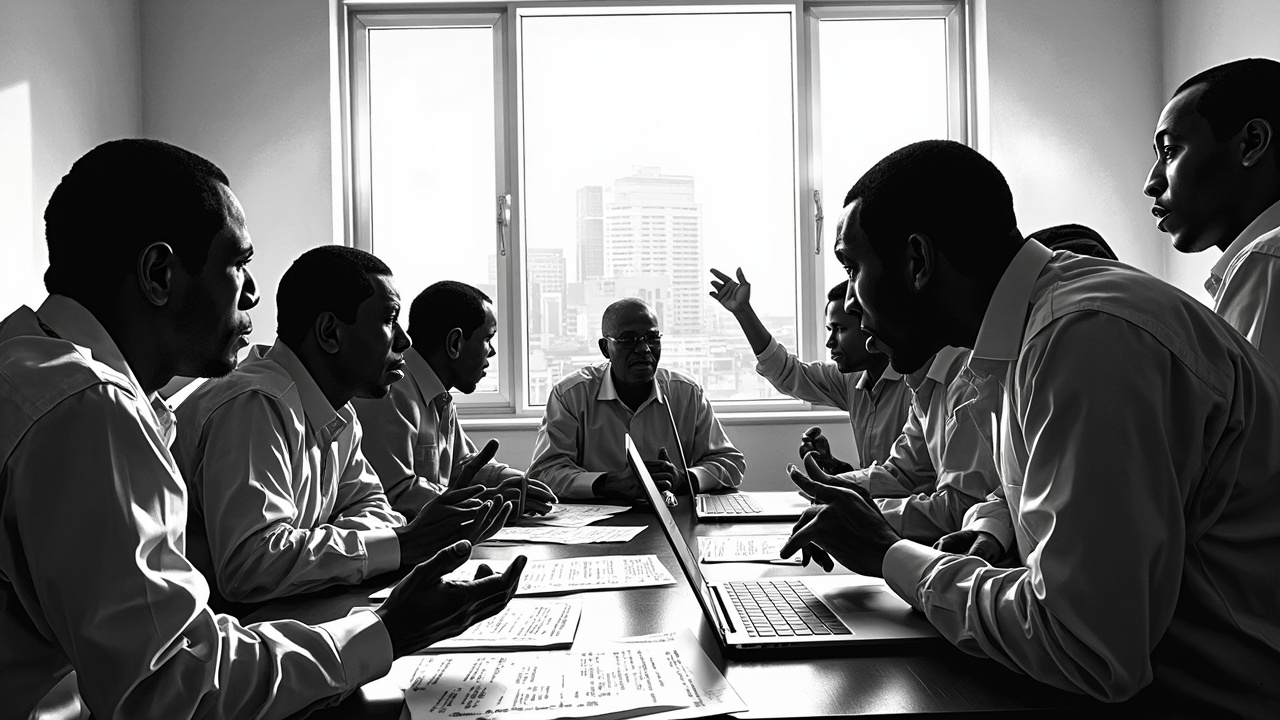
Opposition Coalition Condemns digital Registration System
Eight Ethiopian opposition parties rejected the government's new digital voter registration system on January 23, 2026. The coalition includes the Hibir party and seven other groups. They called the system "unaudited" and demanded immediate technical review before the national elections.
The National Election Board of Ethiopia (NEBE) launched the digital platform in December 2025. It handles voter registration and candidate nominations. Opposition leaders claim they received no meaningful access for testing. They argue this violates Ethiopia's electoral law.
NEBE officials defended the system in a press conference yesterday. They stated the platform underwent internal security checks. The officials promised to share audit reports with political parties next week. They emphasized the system will reduce registration errors.
Technical Concerns and Political Tensions
The digital system requires biometric data collection at 45,000 polling stations. Each station needs internet connectivity and power backup. The government allocated 2.5 billion birr ($45 million USD) for implementation. This funding comes from the Ministry of Finance.
Opposition parties identified three specific concerns. First, they worry about data security for 40 million registered voters. Second, they question system reliability in remote regions. Third, they fear potential manipulation during candidate registration.
Political tensions are rising as elections approach in mid-2026. Ethiopia's last national election in 2021 faced similar disputes. The European Union observation mission noted "procedural irregularities" in that vote.
Why It Matters
Ethiopia's election stability directly affects its economic trajectory. The country secured a $3.5 billion IMF loan in 2024. This requires maintaining political stability for economic reforms. Foreign investors monitor election credibility closely.
Business confidence depends on predictable governance. The African Development Bank projects 6.2% GDP growth for Ethiopia in 2026. This assumes peaceful political transitions. Election disputes could disrupt this growth.
Ethiopia's telecommunications sector illustrates the stakes. The government licensed Safaricom Ethiopia in 2022. The company invested $1.6 billion in network infrastructure. Political instability could delay further telecom investments.
What Businesses Should Watch
Companies operating in Ethiopia should monitor three developments. First, watch for NEBE's audit report release next week. This will show if opposition concerns are addressed. Second, observe whether the Hibir coalition escalates protests. Third, track international observation missions.
The Ethiopian Investment Commission approved 312 foreign projects in 2025. These represent $4.1 billion in pledged capital. Most target manufacturing and agriculture. Election disputes could slow approval processes.
Currency stability presents another concern. The birr has depreciated 15% against the dollar since 2024. The National Bank of Ethiopia maintains tight controls. Political uncertainty could pressure the currency further.
Infrastructure projects face potential delays. The government plans to tender the Awash-Woldia railway expansion in March 2026. This 280-kilometer project needs World Bank funding. Election controversies might postpone the tender.
Government Response and Next Steps
Prime Minister Abiy Ahmed's administration faces mounting pressure. The Prosperity Party controls parliament but seeks broader legitimacy. The digital system represents part of broader electoral reforms.
NEBE scheduled stakeholder meetings for February 5-7, 2026. These will include political parties and civil society groups. The board promised to demonstrate system functionality. They also committed to independent verification.
The African Union plans to deploy 80 election observers. The European Union will send 50 observers. Their assessments will influence international perceptions.
Business leaders express cautious optimism. The Addis Ababa Chamber of Commerce surveyed 200 companies last month. 68% expected elections to proceed smoothly. This represents a 12-point drop from October 2025.
Ethiopia's stock exchange remains small but growing. The Ethiopian Securities Exchange launched in 2024 with 15 listed companies. Market capitalization reached 45 billion birr ($810 million USD) by December 2025. Political stability supports further market development.
Economic Implications
Ethiopia's economy shows resilience despite challenges. The World Bank reports 7.1% growth in 2025. Agriculture contributes 35% of GDP. Manufacturing accounts for 28%. Services make up the remainder.
Foreign direct investment reached $3.8 billion in 2025. China remains the largest source at 42%. The United Arab Emirates follows at 18%. Turkey and European Union countries provide most of the balance.
The digital election system controversy emerges during economic transition. Ethiopia seeks to join the World Trade Organization in 2027. This requires demonstrating political stability and transparent governance.
Businesses should prepare contingency plans. Supply chains might face disruptions if protests escalate. The government maintains emergency powers under the state of emergency lifted in 2023. These could be reinstated during election periods.
The coming weeks will prove crucial. NEBE must balance technological advancement with political inclusion. Opposition parties need to engage constructively. The business community watches closely as Ethiopia approaches its democratic test.