Egypt's Water Minister Joins Rwanda's Community Service Initiative

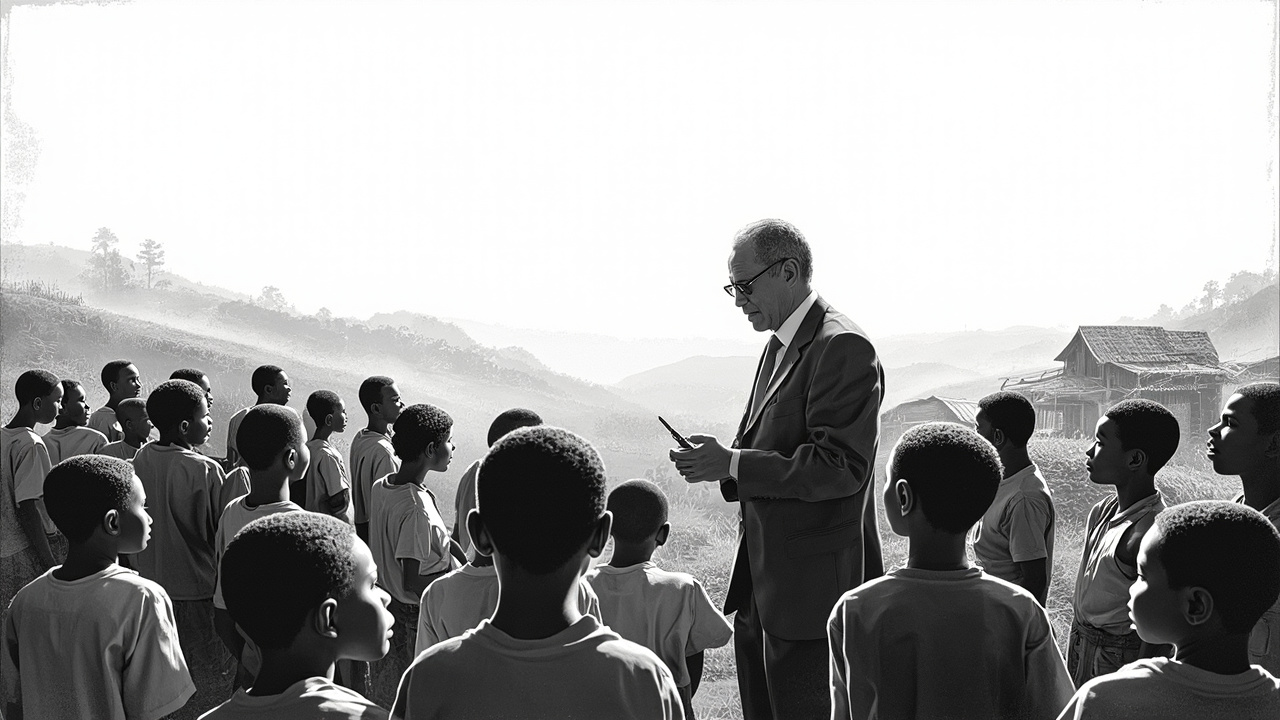
Egypt's Water Resources and Irrigation Minister Hani Sewilam participated in Rwanda's monthly community service day during an official visit to Kigali. The event occurred on Sunday, as confirmed by Egypt's water ministry. Sewilam joined Rwanda's Environment Minister Bernadette Arakwu and members of a joint steering committee for the activity known as "Umuganda." This monthly program requires Rwandan citizens to engage in public works projects. Sewilam's involvement marks a symbolic gesture of bilateral cooperation between the two nations.
Diplomatic Context and Water Management
Minister Sewilam's visit to Rwanda aligns with ongoing discussions about transboundary water resources. Egypt faces significant water scarcity challenges. The country relies on the Nile River for about 97% of its freshwater needs. Rwanda contributes to the Nile Basin through its rivers and lakes. Both nations are members of the Nile Basin Initiative, established in 1999. This organization includes ten countries sharing the Nile waters. Egypt has historically prioritized securing its water share from the Nile. Recent years have seen increased diplomatic engagement with upstream nations like Rwanda.
The Umuganda Program Structure
Rwanda's Umuganda program occurs on the last Saturday of each month. Participation is mandatory for citizens aged 18 to 65. The program typically involves activities like road maintenance, tree planting, or public building repairs. Community leaders organize projects at the local level. The government reports that Umuganda contributes approximately $60 million annually to Rwanda's economy. This figure represents both labor value and material savings. Sewilam's participation likely focused on environmental or water-related tasks. Such activities could include cleaning water channels or planting trees near water sources.
Why It Matters
Water security remains a critical issue for Egypt's economy and stability. The country's population exceeds 105 million people. Water demand continues to rise due to agricultural and industrial needs. Egypt's annual water share from the Nile is about 55.5 billion cubic meters under historical agreements. Climate change projections suggest reduced Nile flows in coming decades. Egypt's government has implemented several water conservation projects. These include lining irrigation canals and promoting drip irrigation. Cooperation with Nile Basin countries like Rwanda could support regional water management strategies. Joint projects might focus on data sharing or infrastructure development.
Regional Water Cooperation Framework
Egypt and Rwanda participate in multiple regional water initiatives. The Nile Basin Initiative seeks to promote cooperative management of Nile resources. Member countries have discussed the Cooperative Framework Agreement since 2010. Egypt has expressed concerns about provisions affecting existing water allocations. Rwanda signed the agreement in 2011. Both countries also engage through the African Ministers' Council on Water. This pan-African organization addresses water and sanitation challenges. Egypt currently chairs the council's technical advisory committee. Minister Sewilam's visit may advance technical cooperation on specific water projects.
What Businesses Should Watch
Companies operating in water infrastructure should monitor Egypt-Rwanda cooperation. The Egyptian government plans to invest EGP 900 billion ($29 billion) in water projects by 2037. This investment includes desalination plants and wastewater treatment facilities. Rwandan businesses might seek partnerships in these sectors. Rwanda's water sector requires about $300 million annually for infrastructure development. Both countries need technology for efficient water use. Israeli companies have previously engaged in water projects in both nations. For example, Netafim provides drip irrigation systems in Egypt. Rwanda's government has partnered with multiple international firms for water management.
Agricultural businesses should note potential shifts in water policy. Egypt grows water-intensive crops like rice and sugarcane. The government aims to reduce agricultural water use by 10% over five years. This reduction could affect crop patterns and export volumes. Rwanda focuses on increasing irrigation for staple crops. The country irrigates only about 5% of its arable land currently. Rwanda targets expanding irrigation to 100,000 hectares by 2024. Companies providing irrigation equipment or agricultural technology may find opportunities in both markets.
Energy companies should consider hydropower developments. Rwanda generates about 50% of its electricity from hydropower. The country plans to increase total generation capacity to 556 MW by 2024. Egypt operates the Aswan High Dam with 2,100 MW capacity. Both countries explore solar-powered water pumping and treatment. The African Development Bank funds several cross-border water and energy projects. Private sector participation often follows government agreements.
Tourism and hospitality businesses should monitor water availability. Egypt's tourism sector contributes about 12% to GDP. Water shortages could affect hotel operations in areas like Luxor or Aswan. Rwanda's tourism focuses on mountain gorillas and national parks. Adequate water supplies support these eco-tourism operations. Both countries promote sustainable tourism practices. Hotel chains like Marriott and Radisson operate in both markets. They implement water conservation measures to reduce operational costs.
Economic Indicators and Market Context
Egypt's economy grew 4.2% in the 2022-2023 fiscal year. The water and irrigation sector received EGP 130 billion ($4.2 billion) in government investment. Rwanda's economy expanded 8.2% in 2023. The government allocated RWF 247 billion ($200 million) to water and sanitation programs. Both countries face currency pressures. Egypt's pound has depreciated about 50% against the dollar since 2022. Rwanda's franc has remained relatively stable with minor fluctuations. Inflation rates differ significantly. Egypt's inflation reached 35% in early 2024. Rwanda maintained single-digit inflation around 5%.
Trade between Egypt and Rwanda remains modest. Egypt exported $15 million worth of goods to Rwanda in 2023. Key exports included pharmaceuticals and construction materials. Rwanda exported $8 million to Egypt, primarily coffee and tea. Both governments aim to increase bilateral trade to $50 million annually. Water management cooperation could facilitate trade in related goods and services. The African Continental Free Trade Area implementation may further boost exchanges.
Future Implications
Minister Sewilam's participation in Umuganda signals Egypt's diplomatic approach to Nile Basin relations. The country seeks collaborative solutions to water challenges. Technical exchanges between water ministries could lead to joint projects. These might include training programs or pilot initiatives for water conservation. Rwanda's experience with community-based environmental management might interest Egyptian planners. Egypt faces water scarcity of about 20 billion cubic meters annually. The government aims to address this gap through multiple strategies. International cooperation forms one component of these efforts.
Businesses should watch for official announcements about specific cooperation agreements. The joint steering committee mentioned in the ministry statement may produce concrete plans. These could involve data sharing, technology transfer, or infrastructure financing. Companies positioned to support such initiatives may gain competitive advantages. Water scarcity affects multiple sectors across both economies. Effective management supports agricultural production, industrial operations, and urban development. Regional cooperation offers potential benefits for stability and growth.