Egypt Launches Vocational Training Pilot to Reduce Child Marriage

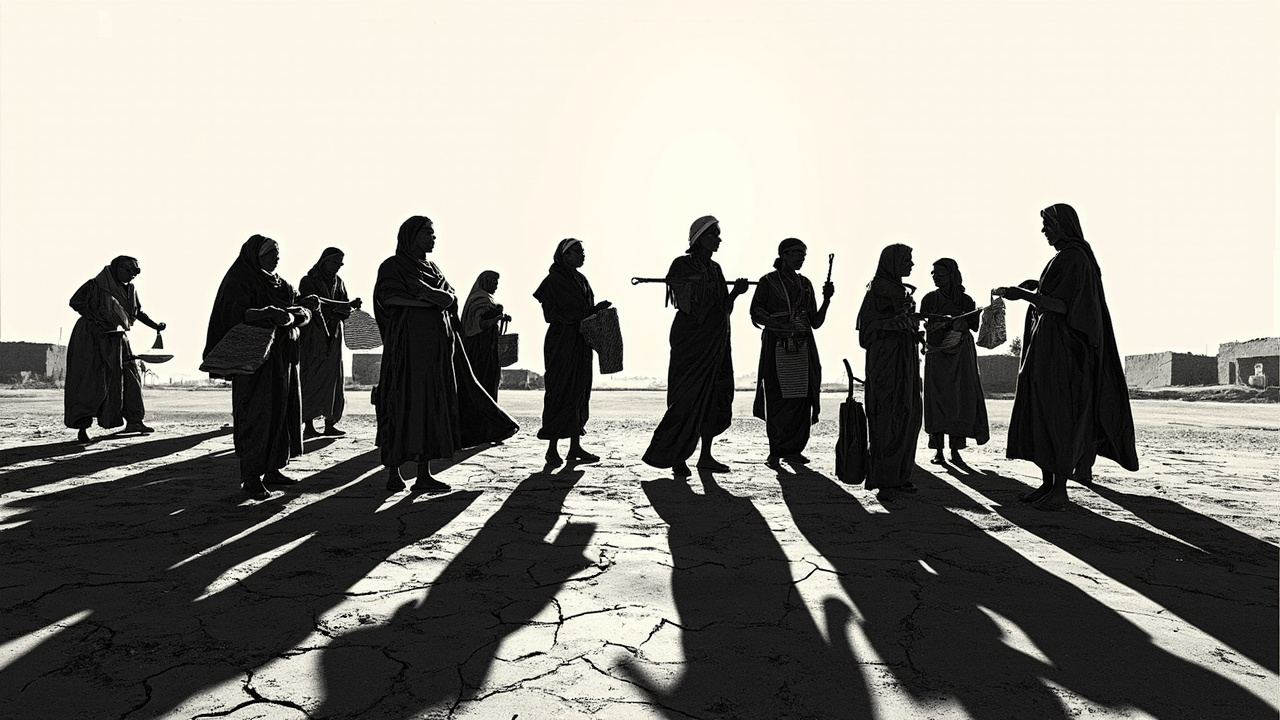
Egypt's National Council for Childhood and Motherhood will launch a pilot program to provide vocational and technical training for girls. The program aims to offer families economic alternatives to child marriage. Sahar El-Sombaty, President of the NCCM, announced the initiative during a recent roundtable discussion titled 'Economic Empowerment as a Pivotal Tool.' The pilot will begin in select rural communities this quarter. It represents a strategic shift toward addressing child marriage through economic solutions rather than legal enforcement alone.
The Program Structure and Goals
The vocational training pilot will focus on practical skills that can generate immediate income. Training areas include textile work, basic computer literacy, and agricultural processing. The NCCM will partner with local technical schools and community centers to deliver the instruction. Girls aged 14 to 18 will participate in the initial phase. The program seeks to demonstrate that vocational training can reduce child marriage rates by 15% within two years. Success would justify expanding the model nationwide.
Egypt's Child Marriage Challenge
Child marriage remains a persistent issue in Egypt despite legal restrictions. The minimum marriage age is 18, but cultural traditions and economic pressures often override the law. Rural areas report higher rates than urban centers. Families sometimes view early marriage as an economic necessity. They believe it reduces household expenses and provides financial security through dowries. The vocational training program directly challenges this assumption by creating alternative income streams.
Why It Matters
This pilot matters because it connects social welfare with economic development. Reducing child marriage improves educational outcomes for girls. It also expands the future workforce. Businesses gain access to more skilled workers over time. The program aligns with Egypt's Vision 2030 development goals. Those goals emphasize women's economic participation. Successful implementation could influence similar programs across Africa. The African Union has identified child marriage as a barrier to continental growth.
Economic Context and Statistics
Egypt's female labor force participation rate stands at 15.2% as of 2023, according to World Bank data. This is below the Middle East and North Africa regional average of 19.3%. Child marriage contributes to this low participation. The United Nations Population Fund reports that 17% of Egyptian girls marry before age 18. The rate reaches 25% in some rural governorates. Each year of delayed marriage correlates with 5-10% higher lifetime earnings for women. Vocational training could accelerate this economic benefit.
Implementation Partners and Funding
The NCCM will lead the pilot with support from the Ministry of Social Solidarity. The Ministry of Education will provide access to technical school facilities. Initial funding comes from the Egyptian government's social development budget. The program requires approximately EGP 5 million (USD 162,000) for the first year. This covers instructor salaries, materials, and transportation for participants. Private sector companies may contribute equipment or expertise. The NCCM will evaluate results after 12 months to determine next steps.
What Businesses Should Watch
Businesses should monitor this pilot for several reasons. First, successful programs create a larger pool of skilled female workers. Companies in manufacturing, textiles, and technology could benefit directly. Second, reduced child marriage increases consumer spending power in the long term. Families with working daughters have higher disposable income. Third, the program may inspire similar public-private partnerships. Businesses could engage through apprenticeship opportunities or equipment donations. Finally, investors should note that social stability programs often precede economic growth in emerging markets.
Potential Challenges and Solutions
The pilot faces significant challenges. Cultural resistance may limit participation in conservative communities. The NCCM plans to work with local religious leaders to build acceptance. Another challenge is ensuring training leads to actual employment. The program will include job placement assistance and microfinance options for graduates. Transportation barriers could prevent girls from attending sessions. Mobile training units will visit remote villages weekly. Sustained funding remains uncertain beyond the pilot phase. The NCCM will seek international development grants if results prove promising.
Broader Market Implications
Egypt's vocational training initiative has implications beyond social policy. It represents a growing recognition that economic tools can address entrenched social problems. Other African nations may adopt similar approaches. Nigeria and Ethiopia have expressed interest in vocational programs for girls. The African Development Bank has allocated USD 50 million for women's economic empowerment projects in 2024. Successful pilots could attract more investment. They also demonstrate government commitment to workforce development. This commitment matters for foreign direct investment decisions.
Next Steps and Timeline
The NCCM will finalize pilot locations by the end of this month. Training will begin in the second quarter. Initial results will be available in early 2025. The council plans to publish a detailed evaluation by mid-2025. Expansion to three additional governorates could follow in 2026. The ultimate goal is a national program reaching 50,000 girls annually by 2030. This timeline depends on pilot outcomes and continued budget allocation. The Ministry of International Cooperation may seek external funding if domestic resources prove insufficient.