Egypt's Solar Push Faces Grid Infrastructure Bottlenecks

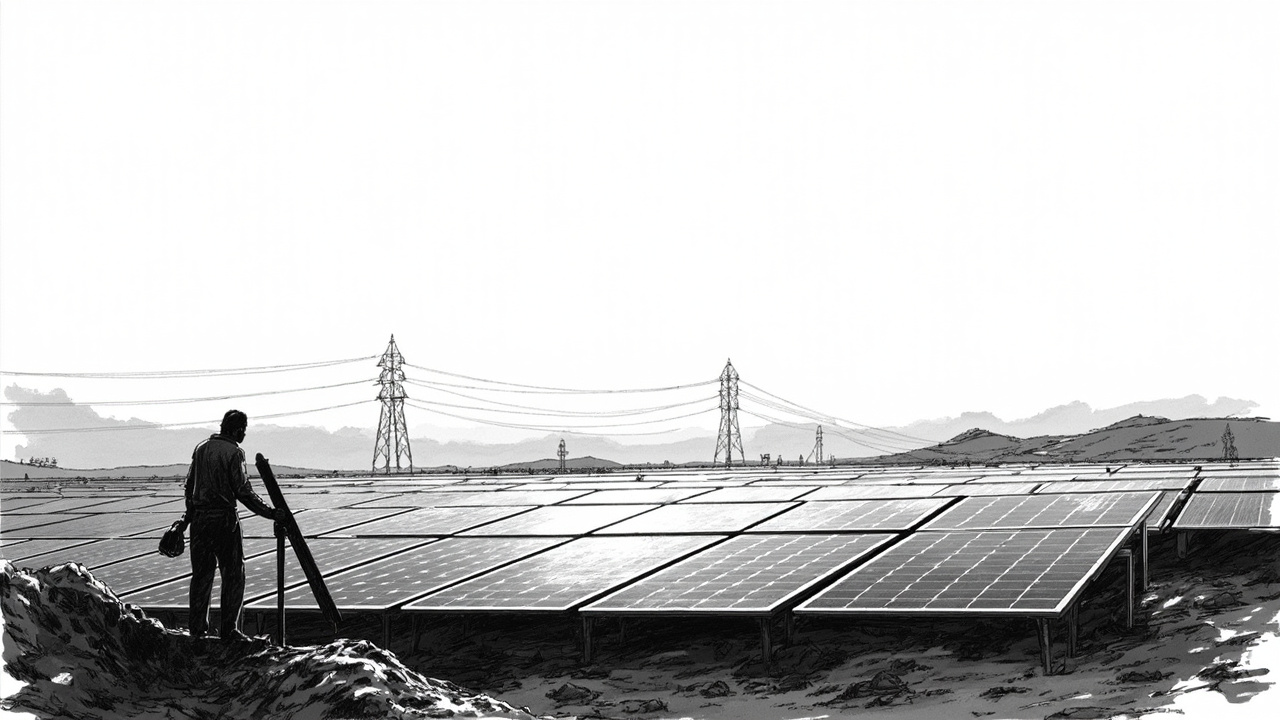
President Al-Sisi's accelerated solar expansion order highlights Egypt's renewable energy ambitions, but infrastructure constraints may limit the pace of deployment. The directive comes as Egypt grapples with rising summer electricity demand and grid capacity challenges.
Infrastructure Lags Behind Ambitions
Egypt's electricity grid faces mounting pressure from both demand growth and renewable energy integration. The country has made significant progress in solar development over recent years, but transmission infrastructure has struggled to keep pace with new capacity additions.
Grid congestion issues have emerged as solar installations multiply across the country. Without adequate transmission upgrades, new solar projects risk operating below full capacity during peak generation periods. This creates operational inefficiencies and potential revenue shortfalls for developers.
Transmission line upgrades and substation improvements typically require extended lead times, often spanning multiple years from planning to completion. The gap between renewable capacity additions and grid reinforcement creates bottlenecks that can limit power evacuation from solar farms.
Investment Risks Mount
Private developers face growing uncertainty around project economics as grid constraints tighten. Power purchase agreements depend on reliable grid access to deliver contracted electricity volumes. Infrastructure delays can impact project returns and complicate financing arrangements.
Egypt's green hydrogen ambitions add another layer of complexity. Large-scale hydrogen production requires substantial renewable energy capacity, placing additional strain on grid infrastructure that already faces integration challenges.
Some developers are exploring hybrid solutions that combine solar generation with battery storage to manage grid constraints. These approaches can help smooth power delivery but add project costs and complexity.
The success of Egypt's renewable energy transition will ultimately depend on coordinating generation capacity with transmission infrastructure development. Without this alignment, ambitious solar targets may prove difficult to achieve in practice.