Egypt and Mindray Partner on Medical Device Localization

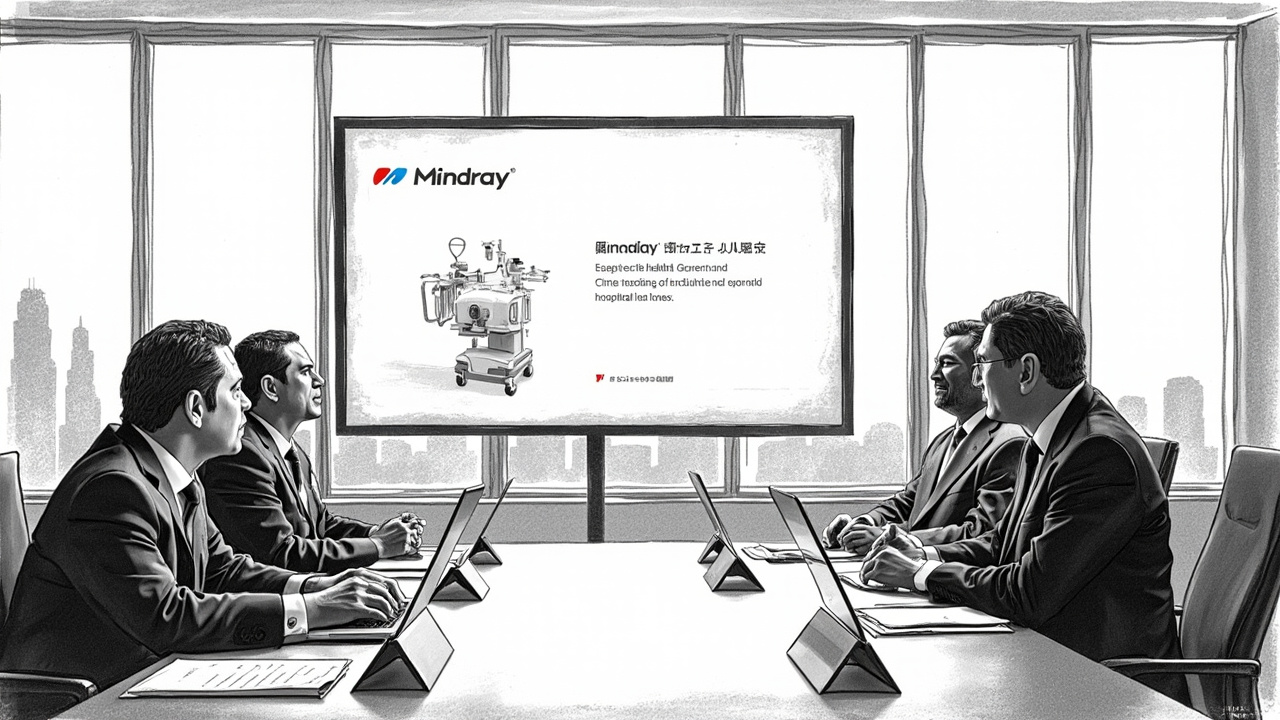
Egypt's Minister of Health and Population Khaled Abdel Ghaffar met with a delegation from China's Mindray on Tuesday. They discussed strengthening cooperation in localizing medical device manufacturing. The talks focused on smart imaging technologies and expanding smart hospitals across Egypt.
The Meeting Details
Minister Khaled Abdel Ghaffar led the discussions at the Ministry of Health headquarters in Cairo. The Chinese delegation included senior executives from Mindray. Ministry spokesperson Hossam Abdel Ghaffar confirmed the meeting's agenda. Both parties explored practical steps for technology transfer and local production.
Egypt aims to reduce its reliance on imported medical equipment. The country imports about 85% of its medical devices. This costs the healthcare system approximately $1.2 billion annually. Local manufacturing could cut these expenses by 30-40% within five years.
Egypt's Healthcare Modernization Drive
Egypt has launched several initiatives to upgrade its healthcare infrastructure. The Universal Health Insurance System began rolling out in 2018. It now covers over 10 million Egyptians across eight governorates. The government plans full national coverage by 2030.
Smart hospitals represent a key component of this modernization. These facilities use integrated digital systems for patient management. They employ advanced diagnostic equipment and telemedicine capabilities. Egypt currently operates 15 smart hospital projects. The Ministry of Health targets 50 such facilities by 2025.
Medical device localization supports Egypt's Vision 2030 strategy. The plan emphasizes technology transfer and industrial development. The Egyptian Drug Authority regulates medical device approvals. Companies must obtain EDA registration for all healthcare products.
Mindray's Global Expansion Strategy
Mindray is a leading global manufacturer of medical equipment. The company reported $4.2 billion in revenue for 2023. Its international business grew by 18% last year. Mindray operates in over 190 countries worldwide.
The Chinese firm has expanded its presence across Africa in recent years. It established regional offices in Kenya and South Africa. Mindray now supplies equipment to hospitals in 45 African nations. The company's patient monitoring systems and ultrasound devices are particularly popular.
Local manufacturing partnerships help Mindray navigate trade barriers. Egypt imposes tariffs of 5-10% on imported medical devices. Local production could avoid these costs. It also positions Mindray for better access to Middle Eastern and African markets.
Why It Matters
This partnership addresses Egypt's urgent healthcare needs. The country faces a growing burden of chronic diseases. Diabetes affects 15% of Egyptian adults. Cardiovascular conditions account for 46% of all deaths. Advanced medical equipment improves diagnosis and treatment outcomes.
Economic benefits are equally important. Local manufacturing creates jobs in technical fields. It develops engineering and maintenance expertise. The medical device sector could employ 5,000 Egyptians by 2027. This supports Egypt's goal to reduce unemployment from 7.1% to 5% by 2030.
Technology transfer strengthens Egypt's industrial base. Egyptian engineers will learn to produce sophisticated equipment. This knowledge spreads to related sectors like electronics and software. The country builds capacity for future innovation.
Regional competition is intensifying. Saudi Arabia launched its Medical Devices Localization Program in 2022. The initiative attracted $1.5 billion in investments. Morocco and Tunisia are also developing their medical technology sectors. Egypt must act quickly to secure its position.
What Businesses Should Watch
Monitor the Egyptian Drug Authority's regulatory updates. The EDA may streamline approval processes for locally manufactured devices. This could reduce registration times from 12 months to 6 months. Companies should prepare documentation in Arabic to accelerate reviews.
Watch for tender announcements from the Ministry of Health. Egypt plans to equip 100 new primary care centers this year. These facilities will need diagnostic equipment and patient monitors. The government procurement budget for medical devices increased by 25% in 2024.
Track infrastructure developments. New industrial zones offer incentives for medical technology companies. The Suez Canal Economic Zone provides tax exemptions for 10 years. It also offers ready-built factories with utilities. Similar zones exist in Alexandria and Upper Egypt.
Consider partnership opportunities with Egyptian firms. Several local companies already produce basic medical supplies. El Nasr Pharmaceutical Chemicals makes surgical instruments. Memphis for Pharmaceutical Industries manufactures hospital furniture. These firms seek technology partners for more advanced products.
Note currency exchange considerations. The Egyptian pound has stabilized after devaluation. The Central Bank of Egypt maintains the exchange rate around EGP 30 to USD 1. Foreign investors can repatriate profits through approved channels. The Investment and Free Zones Authority facilitates these transactions.
Evaluate supply chain implications. Local manufacturing reduces shipping times from China. It also avoids Red Sea shipping disruptions. Egyptian ports handle medical device imports efficiently. The Port of Alexandria processed 65,000 containers of healthcare goods last year.
Implementation Timeline
The Ministry of Health expects initial agreements within three months. Pilot production could begin in early 2025. Full-scale manufacturing might start by 2026. Smart hospital deployments will proceed in phases over the next three years.
Egypt requires environmental permits for manufacturing facilities. The Egyptian Environmental Affairs Agency reviews applications within 90 days. Factories must meet emissions standards and waste management protocols. Compliance costs average EGP 500,000 (USD 16,700) for medical device plants.
Workforce development programs will launch concurrently. Technical schools will train operators and maintenance technicians. Universities will expand biomedical engineering programs. The Ministry of Higher Education allocated EGP 200 million (USD 6.7 million) for these initiatives.
Broader Implications
This partnership signals Egypt's commitment to healthcare transformation. It demonstrates practical steps toward technology localization. Other sectors may follow this model for industrial development.
Successful implementation could attract additional investors. Medical technology companies from Europe and America might establish Egyptian operations. The country offers a large domestic market and regional export opportunities.
Patients stand to benefit most. Better equipment means earlier disease detection. It enables more precise treatments. Healthcare outcomes should improve across Egypt's population of 110 million people.
The collaboration between Egypt and Mindray represents a strategic alignment. Both parties gain advantages from localized production. Egypt acquires technology and jobs. Mindray secures market access and cost efficiencies. Their partnership could reshape medical device manufacturing in North Africa.