Markets
Egypt Accelerates Nuclear Power Plant Amid Grid Expansion

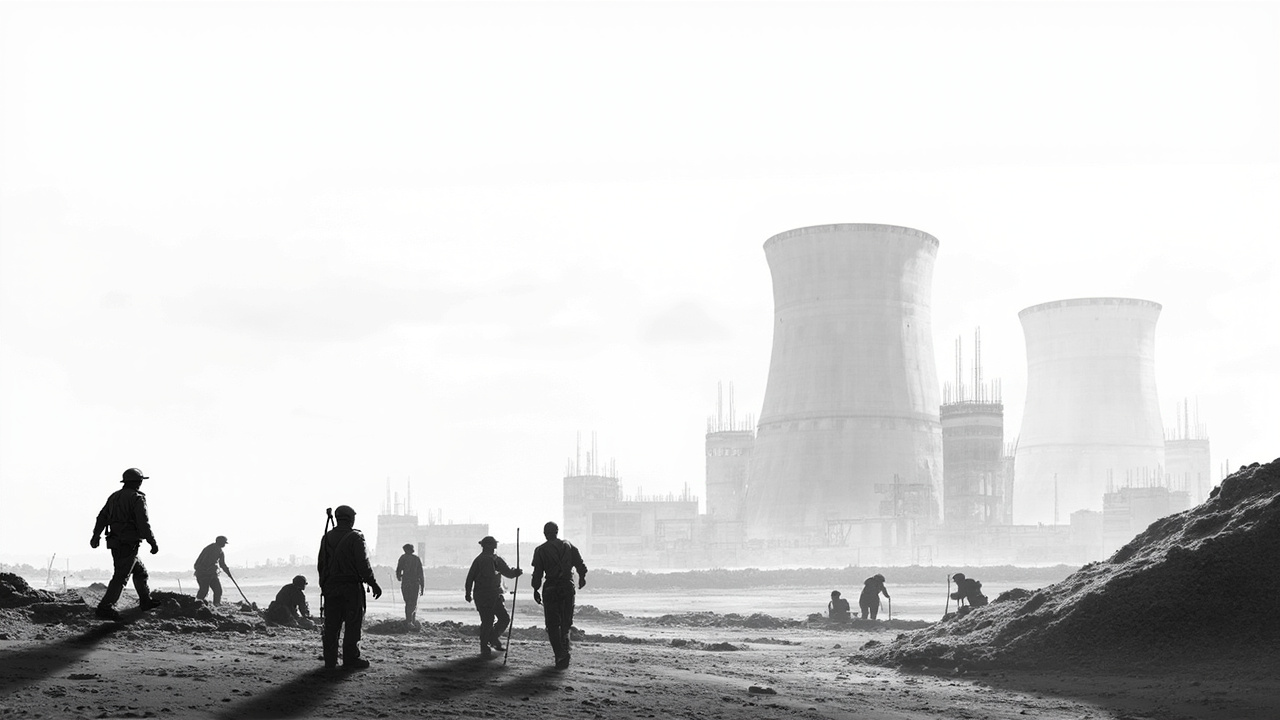
Egypt's Ministry of Electricity and renewable energy announced on Sunday that it is accelerating the El Dabaa Nuclear Power Plant project with Russian partners. Minister Mahmoud Esmat confirmed the timeline acceleration as part of Egypt's Vision 2030 strategy. The move comes as Egypt's electricity losses reached 4.6 billion kilowatt-hours last year. The government aims to secure sustainable energy for the country's growing population and industrial base.
Grid Expansion and Loss Reduction
Egypt's electricity grid has expanded significantly over the past decade. The country added 25 gigawatts of generation capacity between 2014 and 2023. Transmission lines now stretch over 50,000 kilometers across the nation. Distribution networks serve 99% of Egypt's population. Yet technical and commercial losses remain a persistent challenge. The 4.6 billion kilowatt-hour loss represents approximately 8% of total generation. This equals roughly $300 million in lost revenue annually. The Egyptian Electricity Holding Company operates most of the grid infrastructure. The company has implemented smart meter installations in major cities. It also upgraded 15,000 transformers last year. These measures aim to reduce losses by 2% within three years.El Dabaa Nuclear Power Plant Acceleration
Minister Esmat stated that coordination with Russian partners will speed up the El Dabaa project. The nuclear plant will have four reactors with a total capacity of 4.8 gigawatts. Construction began in 2022 with Russian state nuclear corporation Rosatom as the main contractor. The first reactor was scheduled for completion in 2028. The accelerated timeline could bring it online by 2027. The project requires multiple permits from Egypt's Nuclear and Radiological Regulatory Authority. It also needs environmental approvals from the Egyptian Environmental Affairs Agency. Total project cost is estimated at $30 billion. Russia is providing an $25 billion loan for construction. Egypt will cover the remaining $5 billion through its national budget. The plant will create 10,000 jobs during construction. It will employ 2,500 permanent staff once operational.Vision 2030 Energy Strategy
Egypt's Vision 2030 sets clear energy targets. The plan aims to generate 42% of electricity from renewable sources by 2035. It also targets 9% from nuclear power. Current energy mix stands at 90% fossil fuels, 10% renewables. The government has launched several major projects to achieve these goals. The Benban Solar Park in Aswan became fully operational in 2023. It has a capacity of 1.8 gigawatts. The Gulf of Suez wind farm added 250 megawatts last year. Egypt also signed agreements for green hydrogen projects with international companies. These include agreements with Masdar from UAE and Scatec from Norway. The projects total $15 billion in planned investments. They aim to produce 4 million tons of green hydrogen annually by 2030.Why It Matters
Egypt's energy expansion matters for three reasons. First, the country's population grows by 1.8 million people each year. Electricity demand increases by 6% annually. Without new capacity, Egypt could face power shortages by 2026. Second, reducing electricity losses improves fiscal stability. The government spends $2 billion annually on energy subsidies. Lower losses mean less subsidy burden on the national budget. Third, nuclear power provides baseload electricity. Solar and wind are intermittent sources. Nuclear plants operate continuously regardless of weather conditions. This stabilizes the grid as Egypt adds more renewable capacity.What Businesses Should Watch
Businesses should monitor three developments. First, watch for tenders from the Egyptian Electricity Transmission Company. The company plans to upgrade 8,000 kilometers of transmission lines by 2025. Contract opportunities could reach $1.2 billion. Second, track progress on the El Dabaa project. Acceleration could create supply chain opportunities. Local content requirements mandate 20% Egyptian participation in nuclear projects. Third, observe renewable energy auctions. The Egyptian Electricity Holding Company will auction 3 gigawatts of solar and wind capacity this year. International developers can participate through competitive bidding. Companies like ACWA Power from Saudi Arabia and Enel from Italy have previously won contracts. Their experience suggests strong interest in Egypt's renewable market.Market Implications
Egypt's energy expansion has mixed market implications. Positive effects include increased electricity supply for industrial users. Companies like Egyptian Steel and Suez Cement will benefit from reliable power. Negative aspects involve high government spending. The $30 billion nuclear project adds to Egypt's $165 billion external debt. This could pressure the Egyptian pound and increase borrowing costs. Neutral factors include gradual implementation. Most projects will complete between 2027 and 2035. Their impact will unfold over years rather than months. Investors should note that Egypt's EGX30 stock index includes several energy companies. These include Egyptian Electricity Holding Company and Egyptian Natural Gas Holding Company. Their performance may reflect energy sector developments.Regulatory Framework
Egypt's energy sector operates under Law 87 of 2015. This law established the Egyptian Electric Utility and Consumer Protection Regulatory Agency. The agency sets electricity tariffs and monitors service quality. It also approves grid connection for new projects. For nuclear power, additional regulations apply. The Nuclear and Radiological Regulatory Authority oversees safety standards. It conducts inspections during construction and operation. International Atomic Energy Agency provides technical assistance. Egypt signed the IAEA's Additional Protocol in 2021. This allows enhanced verification of nuclear activities. Businesses must navigate these regulatory layers when entering the energy market.Future Outlook
Egypt's energy future looks toward diversification. The country will add nuclear, solar, wind, and hydrogen capacity simultaneously. This approach reduces dependence on any single source. It also creates multiple investment opportunities. The key question is whether Egypt can finance all these projects. The answer depends on continued foreign investment and manageable debt levels. Current indicators suggest moderate success. Foreign direct investment in energy reached $3.5 billion last year. Debt service costs remain below 40% of government revenue. If these trends continue, Egypt should achieve its Vision 2030 energy targets. The result would be a more resilient power system for 110 million Egyptians.Companies Mentioned
RosatomEgyptian Electricity Holding CompanyMasdarScatecACWA PowerEnel
TOPICS
Egypt energynuclear powerelectricity gridVision 2030El Dabaa