Al-Sisi Declares Egypt Untouchable, Sets Red Lines on Regional Threats

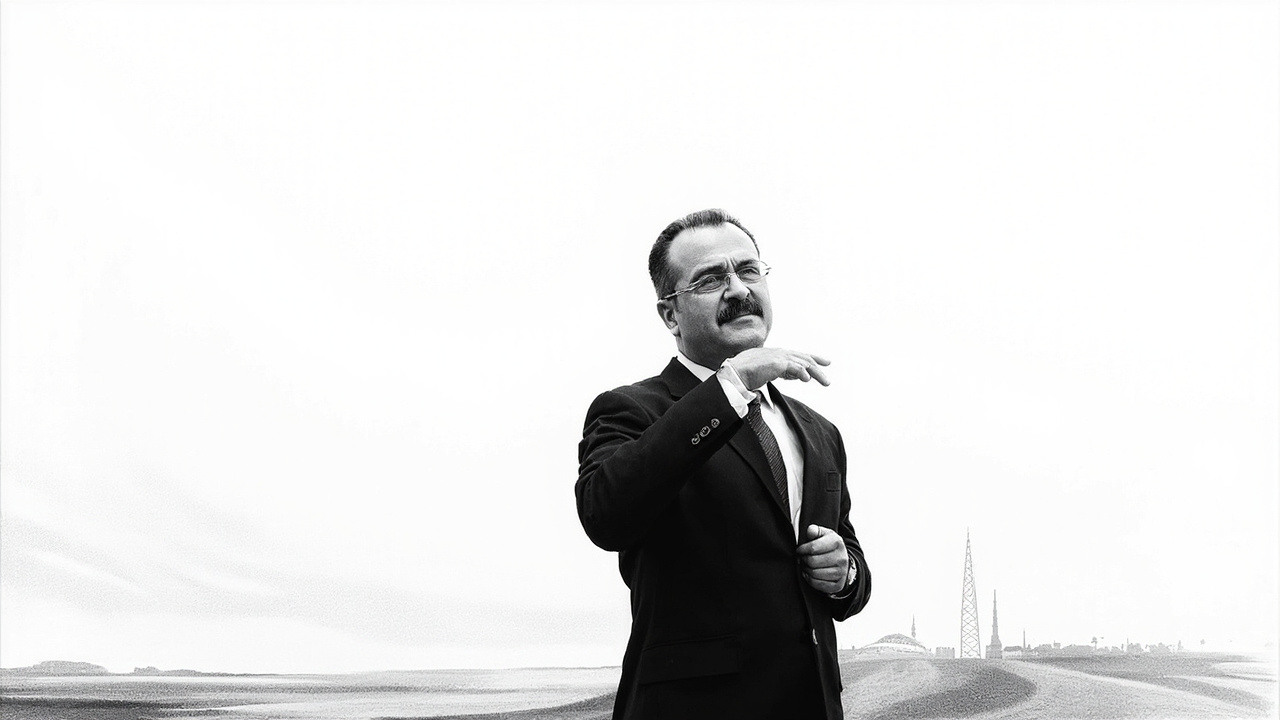
Egyptian President Abdel Fattah Al-Sisi declared on Saturday that Egypt remains fully secure and immune to threats. He stated that no one can threaten Egypt. Al-Sisi emphasized that the country's strength lies in the unity of its institutions and the awareness of its people. He warned that safeguarding national stability requires constant vigilance and accountability. The president delivered these remarks during a public address in Cairo. He drew clear red lines on militia activities and displacement from Gaza. This strong stance comes amid regional tensions and economic pressures.
Egypt's Security Posture and Regional Stance
President Al-Sisi's declaration positions Egypt as a stable regional power. He asserted that Egypt's security apparatus remains robust and coordinated. The Egyptian Armed Forces and Ministry of Interior maintain joint operations along borders. These operations involve the North Sinai Governorate and Red Sea coastal areas. Al-Sisi specifically warned against militia formations near Egyptian territory. He referenced activities in neighboring regions without naming specific groups. The president also addressed the Gaza situation. He rejected any forced displacement of Palestinians into Egyptian territory. Egypt controls the Rafah border crossing with Gaza. This crossing has seen intermittent openings for humanitarian aid since October 2023.
Economic Context and Market Implications
Egypt faces significant economic challenges despite security assurances. The country's foreign reserves stood at $35.1 billion in March 2024 according to Central Bank of Egypt data. This represents a 12% increase from the previous year but remains below pre-pandemic levels. Inflation reached 33.1% in February 2024 according to the Central Agency for Public Mobilization and Statistics. The Egyptian pound has depreciated approximately 40% against the dollar since March 2022. The government secured a $3 billion loan from the International Monetary Fund in December 2022. This program requires structural reforms including subsidy reductions and state asset sales. Major Egyptian companies like Orascom Construction and Commercial International Bank operate in this environment. Both companies report quarterly earnings that reflect broader economic conditions.
Why It Matters
Al-Sisi's statements matter for several reasons. First, they signal Egypt's determination to maintain internal stability. This stability affects investor confidence in Egyptian markets. The Egyptian Exchange (EGX) has seen volatility with the EGX30 index fluctuating between 24,000 and 28,000 points in early 2024. Second, the red lines on militias and displacement address direct security concerns. These concerns impact border regions and trade routes. The Suez Canal Authority reported canal revenues of $9.4 billion in fiscal year 2022-2023. Any regional instability could threaten this vital income source. Third, the declarations come before Egypt hosts the Africa Finance Corporation annual meeting in May 2024. This timing suggests a coordinated message to international partners.
What Businesses Should Watch
Businesses operating in Egypt should monitor several developments. Watch for changes in border security protocols. These could affect logistics for companies like DP World Sokhna which operates the Sokhna port. Monitor Egyptian pound stability and central bank policies. The Central Bank of Egypt meets quarterly to set interest rates. Track progress on IMF program requirements. The government must complete its state asset sale program by 2025. This program includes stakes in companies like Telecom Egypt and Abu Qir Fertilizers. Observe regional diplomacy efforts. Egypt participates in the Negev Forum with Israel, UAE, Bahrain, Morocco, and the United States. These talks influence cross-border business conditions. Finally, watch domestic economic indicators. The Ministry of Planning targets 4.2% GDP growth for fiscal year 2024-2025. Actual performance will affect market opportunities.
Government Actions and Business Environment
The Egyptian government has taken concrete steps to support Al-Sisi's security message. The General Authority for Investment and Free Zones approved 1,237 investment projects in 2023. These projects represent $8.9 billion in pledged capital. The Egyptian Competition Authority reviewed 14 merger cases in 2023. It approved 12 with conditions. The Ministry of Petroleum and Mineral Resources issued 12 new exploration licenses in 2023. Companies like Eni and BP operate under these licenses. The government also launched the "State Ownership Policy" document in 2022. This policy outlines sectors where the state will reduce its presence. It identifies 62 companies for partial or full divestment. Implementation requires approval from the Egyptian Cabinet and Parliament.
Regional Considerations and Market Response
Egypt's regional position affects specific business sectors. Tourism represents about 12% of Egypt's GDP according to 2023 Ministry of Tourism data. Security statements aim to reassure visitors. The government targets 15 million tourist arrivals in 2024. Agriculture contributes approximately 11% of GDP. The Ministry of Agriculture and Land Reclamation manages the "Future of Egypt" project. This project aims to reclaim 1.5 million feddans of desert land. Construction and engineering firms like Hassan Allam Holding work on these projects. Energy remains crucial. The Egyptian Natural Gas Holding Company reported production of 6.8 billion cubic feet per day in 2023. Export revenues help balance trade deficits. The stock market response has been measured. The EGX30 index gained 2.3% in the week following Al-Sisi's address. Banking stocks like QNB Alahli and housing stocks like Palm Hills Development showed particular strength.
Looking Ahead
Egypt faces competing priorities in 2024. The government must maintain security while implementing economic reforms. The Ministry of Finance projects a budget deficit of 6.5% of GDP for fiscal year 2024-2025. This requires careful fiscal management. External factors include Red Sea shipping disruptions and regional conflicts. The Suez Canal Authority reported a 42% decrease in January 2024 transit fees compared to January 2023. This reflects broader maritime challenges. Domestic challenges include subsidy reforms. The government plans to phase out fuel subsidies by 2025. This could increase transportation costs for businesses. Positive developments include new investment. The UAE committed $35 billion to Ras El-Hekma development in February 2024. This project will create a Mediterranean tourist destination. Such investments support Al-Sisi's vision of a secure, prosperous Egypt. Businesses should prepare for both opportunities and adjustments in this evolving landscape.